

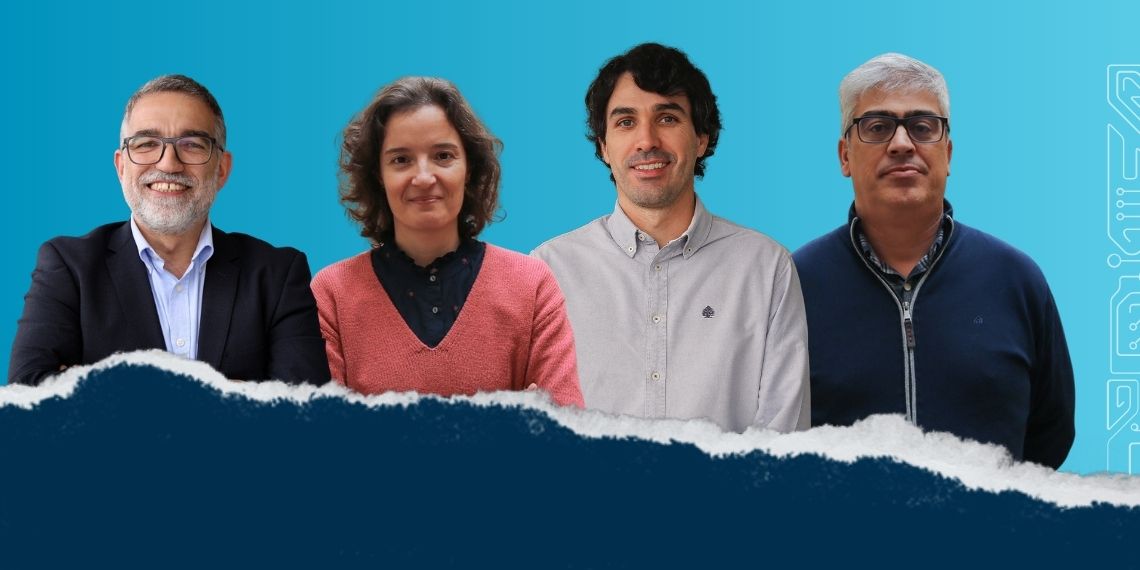
For almost 40 years, a fibre-optic cable lay on the floor of the Atlantic, silently carrying millions of calls, emails and data between continents. It was called TAT-8 and, when it came into operation in 1988, it ushered in a new era in global telecommunications. Now, it is being removed. Although it has not been operational for years, this removal symbolically marks the end of an era. What has changed over the past decades? Could the increasingly widespread use of Artificial Intelligence (AI) further increase demand for new underwater connections? The answer lies on the ocean floor.
The story of a cable that changed communication
There really are cables (very large ones, in fact!) on the ocean floor. They are anchored at coastal points and then laid by specialised ships that move slowly across the sea. The cables are subsequently buried in seabed sediment using special machines resembling underwater ploughs, towed by the ship or operated remotely. Leaving aside the technical side, let’s turn to History.
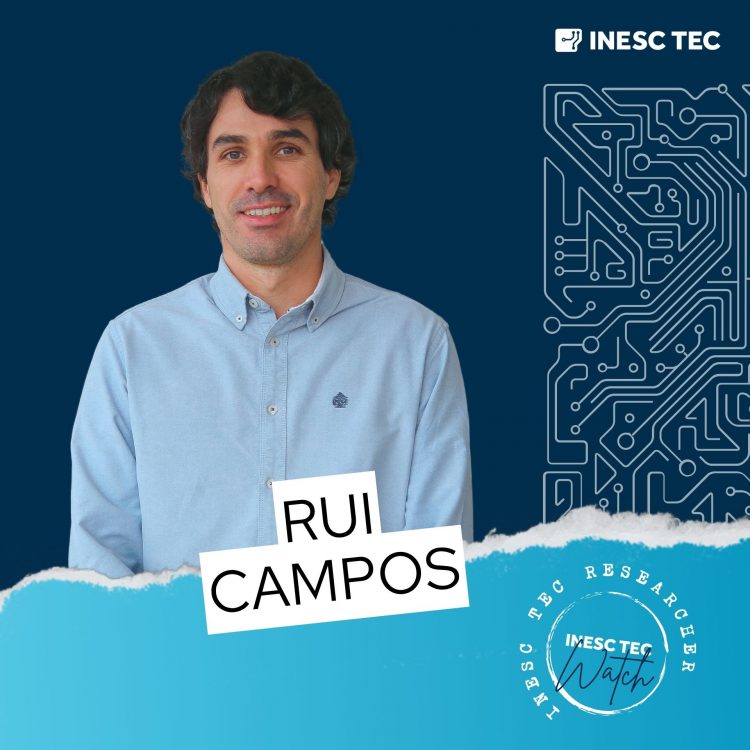
TAT-8 was one of the first steps in what has since become the invisible backbone of an essential infrastructure: a vast network of underwater cables that carries more than 95% of international data traffic. Rui Campos, a researcher at INESC TEC, recalled that the cable, “supported by three pairs of optical fibres and an initial capacity of around 280 Mbit/s, enabled approximately 40,000 simultaneous telephone calls – a very significant leap compared to previous systems. More important than the initial capacity was the technological model that TAT-8 helped to consolidate. The use of optical fibre, optoelectronic repeaters and digital transmission established the foundation of the global infrastructure that now supports the internet.”
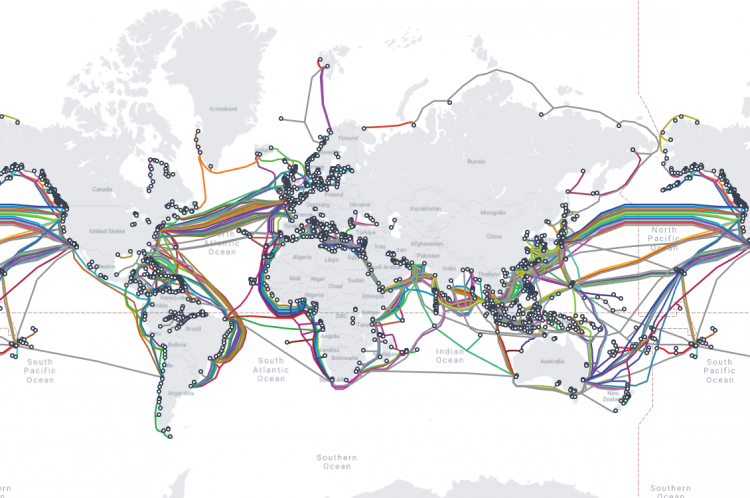
The world has changed; TAT-8’s capacity became flooded much earlier than expected, and the cable was eventually “retired” in 2002 due to numerous faults. Today, the evolution of high-performance computing, AI and data centres has increased demand for new underwater links capable of carrying ever greater volumes of data (volumes that engineers in 1988 could scarcely have imagined) between continents. According to the latest data from TeleGeography, which monitors global telecommunications infrastructures, there are currently around 570 underwater cable systems in operation, with more than 80 in the planning stage; A silent but intense race is taking place on the ocean floor.
“Since then, the evolution has been extraordinary: modern underwater systems operate with terabits per second ratios. For example, the Marea cable linking the United States to Spain has a capacity of 200 Tbit/s, far beyond the scale of the first transatlantic optical cables,” he stated.
The reason for this growth is easy to understand: cloud services operate through data centres distributed across several continents, and AI systems require massive volumes of processing and data exchange between these infrastructures. Open your browser and perform a search. Ask an AI system a question. Each of these actions triggers flows of information that cross oceans, reach data centres on multiple continents and return to you in milliseconds. This increases the need for international connections with very high capacity (bit/s) and ever lower latency, explaining the new cycle of investment in underwater cables, as the telecommunications expert emphasised.
A critical infrastructure that must be protected
Underwater cables have become – without most people realising it – one of the most strategic assets in a context of global tech competition. They are now part of the landscape of contemporary geopolitics.
Unlike other critical infrastructures, submarine cables extend for thousands of kilometres in open environments, often without continuous monitoring. There are no “physical borders” in the ocean, nor security perimeters, and as a result this invisible infrastructure is exposed to various risks. A ship, an anchor, a deliberate act – it takes very little to damage decades of investment. In January 2025, NATO launched Operation Baltic Sentry following several incidents of cable cuts in the Baltic Sea, deploying drones, aircraft and maritime assets to protect these critical infrastructures. Although there is no conclusive evidence of sabotage, the international response shows that the threat is taken seriously.
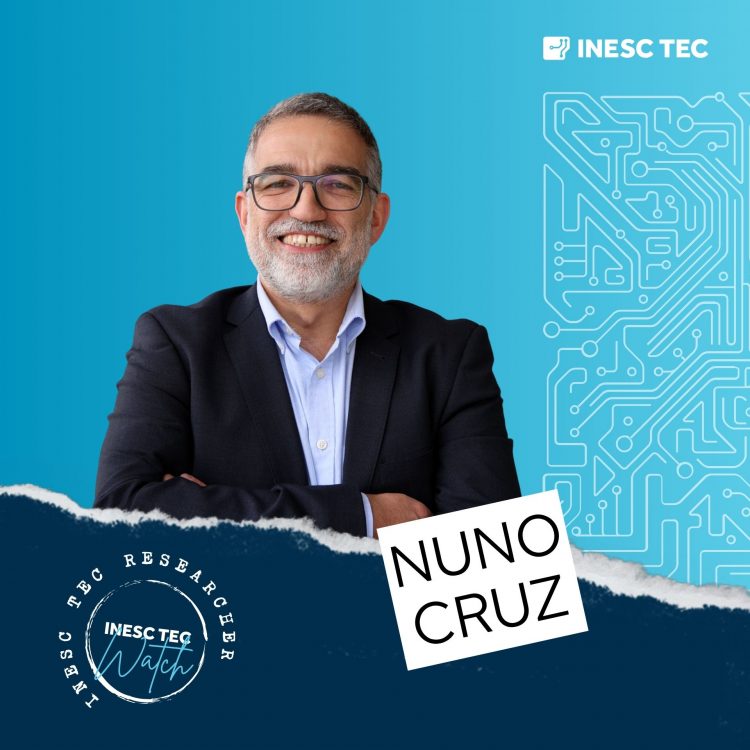
A disruption in a cable does not merely mean a communications failure; it can also affect entire economies, financial systems, digital services and even critical state operations. According to Nuno Cruz, researcher and one of the heads of Robotics at INESC TEC, “protecting underwater cables has become as strategic as building them” – and, therefore, “from a technological perspective, various solutions have been developed for inspecting these cables, whether through visual systems or sonar.”
“Even so, the global network has an essential feature: redundancy, which makes it highly resilient. Traffic can, in many cases, be rerouted via alternative paths when a localised failure occurs,” added Rui Campos, who is also a lecturer at the Faculty of Engineering of the University of Porto (FEUP).
As this infrastructure becomes an increasingly important business, investors are also changing. While for decades cables were built and operated by telecommunications companies, they are now increasingly controlled by major technology firms. Companies such as Amazon, Google and Meta are not merely using the network; they are building it to suit their own needs, in line with the global expansion of data centres. This raises a new question: who controls the flow of data?
Cables are much more than communication
These infrastructures are revealing new possibilities that go far beyond data transmission. Optical fibre can also run as a vast network of sensors distributed along the seabed. “The International Telecommunication Union (at the international level) and ANACOM (the Portuguese communications authority) have highlighted the potential of so-called SMART cables and techniques like Distributed Acoustic Sensing (DAS), which allow optical fibre to be used as a distributed sensor for seismic, environmental and ocean monitoring,” recalled Rui Campos. In fact, this area is not new to INESC TEC, as Nuno Cruz explained: “We are aware of the potential of SMART cables, which is why we have been involved in several projects in this field. The most recent example is K2D, which enabled the installation of a SMART cable off the coast of Sesimbra.”
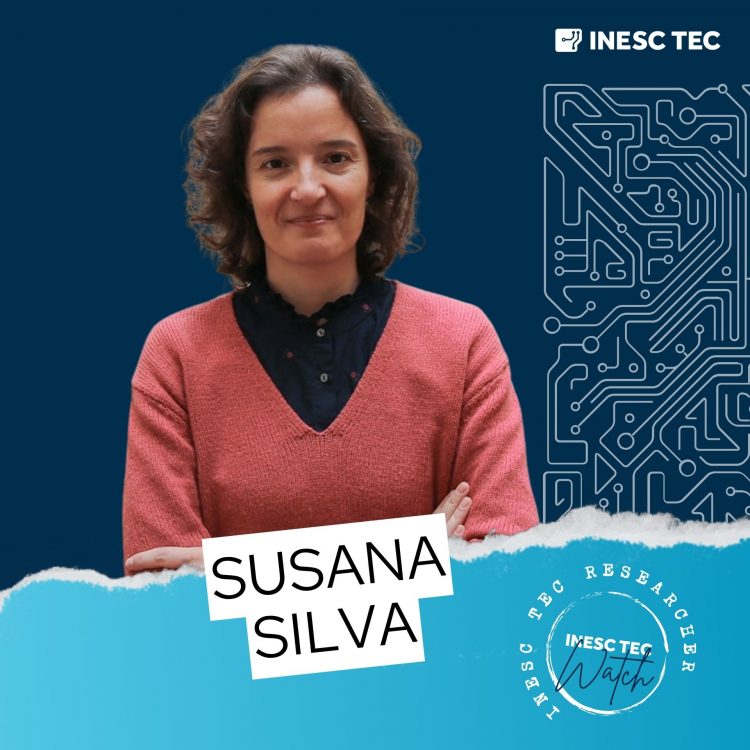
In geophysics, DAS technology has shown potential in detecting and characterising seismic activity, including low-magnitude events and phenomena associated with underwater tectonic faults. INESC TEC researchers Susana Silva and Orlando Frazão are at the forefront when it comes to acoustic sensing through optical fibre.
“Applications in oceanography and bioacoustics have demonstrated DAS’s ability to monitor ocean dynamics, interactions between waves and the seabed, as well as the presence of marine organisms, contributing to a broader understanding of underwater ecosystems,” said Susana Silva.
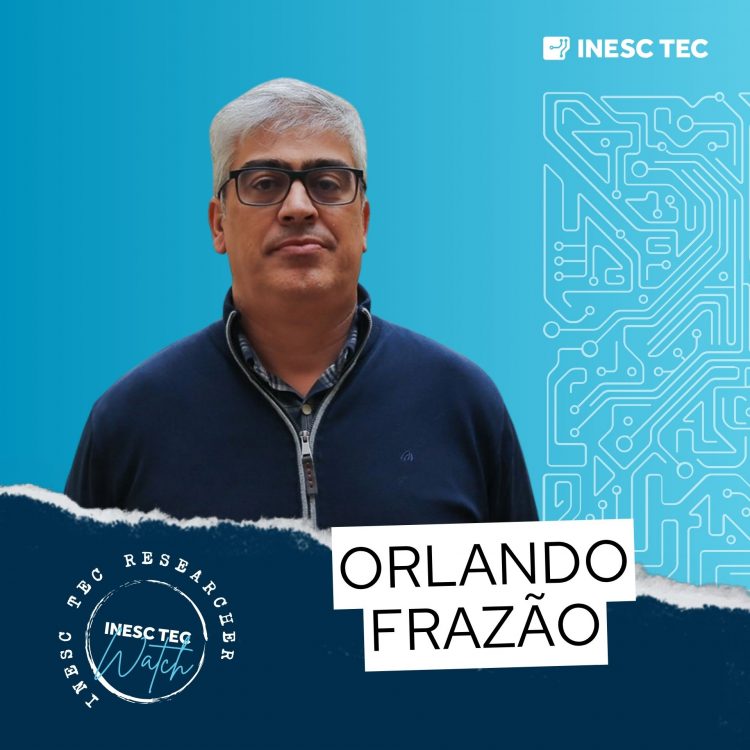
Orlando Frazão stated that, despite the high potential of this technology, DAS presents technical challenges, particularly in interpreting signals in noisy environments and the need for intensive data processing. “In this context, INESC TEC can make a particularly relevant contribution by bringing together various Centres and scientific expertise, especially in robotics, sensors, AI and telecommunications, reflecting the clearly multidisciplinary nature of this disruptive field,” he added.
Today, fibre-optic cables have multiple sides and enable approaches that go far beyond what TAT-8 was designed for. INESC TEC has demonstrated that it possesses the necessary expertise – in communications, photonics, robotics and AI – to explore all these possibilities. Artificial intelligence has played an important role by helping to process DAS data, using algorithms to detect patterns and events or to isolate the most relevant segments within vast amounts of information.
And in robotics? How can this vast network of cables support Nuno Cruz’s team? There are already projects in which these infrastructures are used to support missions with underwater robots, namely “through the installation of docking stations for battery charging and data transfer, and the integration of acoustic transmitters that enable vehicle positioning – a kind of ‘underwater GPS’, based on sound signals emitted at specific points along the cable.”
And there is more. “We are currently exploring the possibility of using cables as receivers of acoustic data. This means taking advantage of their sensitivity to sound to enable acoustic data transmission from underwater vehicles along the cable. Although it is a more complex concept, it could, for example, allow underwater robots carrying out inspections to transmit data in real time directly to the cable,” added the FEUP lecturer.
Portugal on the map
Portugal has a rare opportunity in these new digital geopolitics; the country’s geographical position, between Europe, the Americas and Africa, places it at a crossroads that few countries enjoy. “A relevant example is the EllaLink cable, launched in 2021, which created a direct connection between Europe and Latin America, with a landing point in Sines, avoiding the traditional route via North America to reach Brazil and Latin America,” highlighted Rui Campos.
The researcher mentioned that ANACOM has been working to promote Portugal as a strategic landing point for underwater cables. “In recent years, the regulator has taken part in strategic debates on the subject, promoted initiatives dedicated to underwater cables, hosted the Cabos Submarinos – Pilares do Ecossistema Digital (in Lisbon), and been involved in international discussions on the resilience of these infrastructures. ANACOM has also publicly emphasised the privileged conditions of Portugal in general, and Sines in particular, to establish themselves as one of Europe’s major digital hubs.”
Another noteworthy point is that projects and initiatives linked to the local ecosystem have been promoting Sines as an Atlantic digital gateway: a secure, neutral, resilient and attractive location for landing new cables and installing data centres, reinforcing the complementarity between underwater connectivity, energy and computing capacity. “There have also been concrete regulatory and administrative steps to simplify the installation of submarine cables and associated infrastructures in Portugal. Sines may even be just the first of these locations, serving as an anchor for expansion to other cities or regions as landing points for said cables, as well as for the installation of data centres and so-called AI gigafactories,” added Rui Campos.
Returning to the beginning: the ship currently recovering TAT-8 has been unloading sections of the cable at the port of Leixões, near Porto. The story of the first transatlantic fibre-optic cable does not end in the middle of the Atlantic. It ends here, on our doorstep.
 News, current topics, curiosities and so much more about INESC TEC and its community!
