


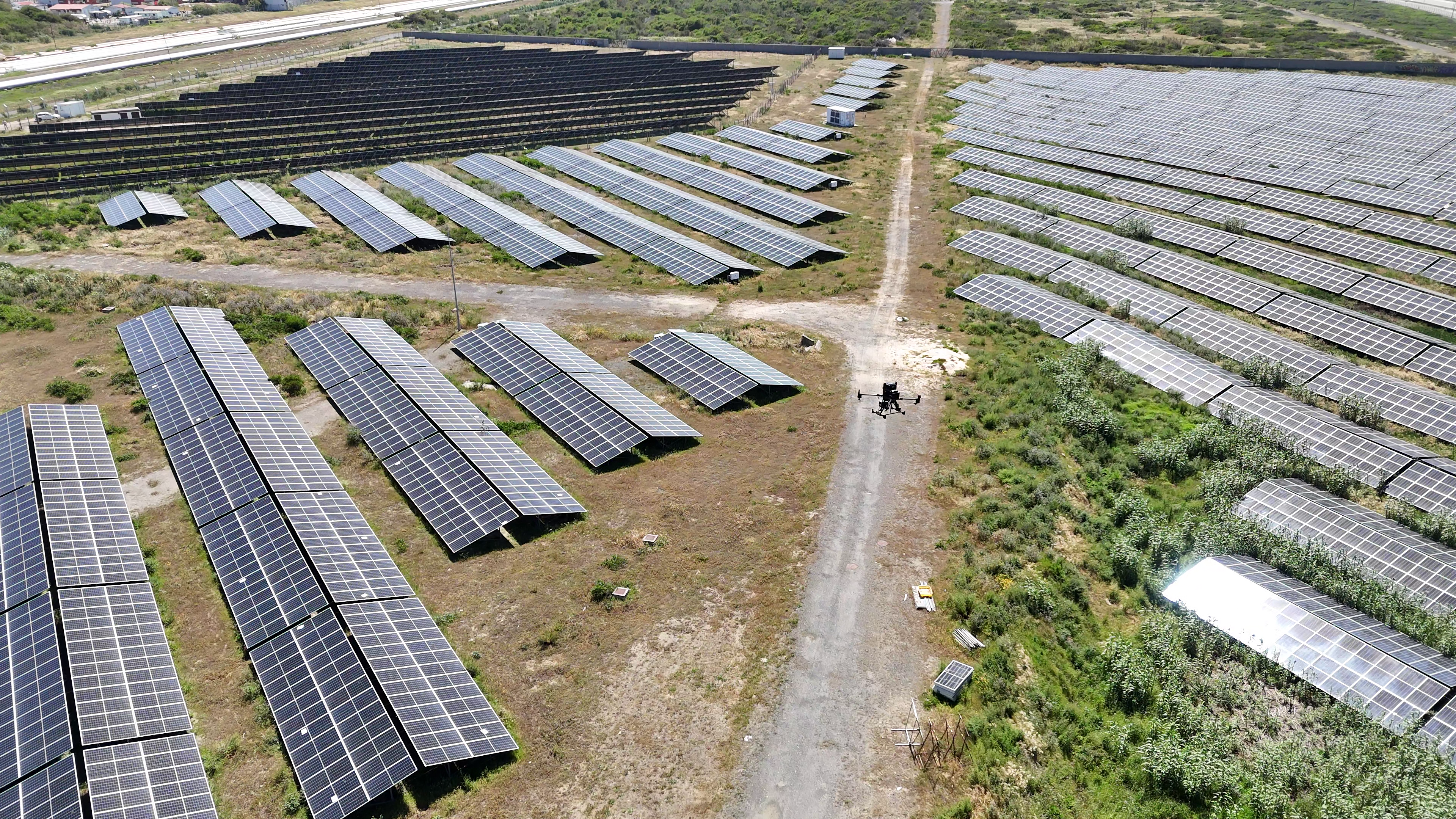
It performs check-up operations in a fully autonomous way, detecting anomalies and sending reports that facilitate analysis and decision-making by operators. This solution – developed by INESC TEC within the scope of the NEXUS project (Innovation Pact – Green and Digital Transition in the Transport, Logistics and Mobility) – was tested at the Port of Sines and demonstrated potential to increase efficiency, reduce operational costs and improve the monitoring of large-scale photovoltaic infrastructures.
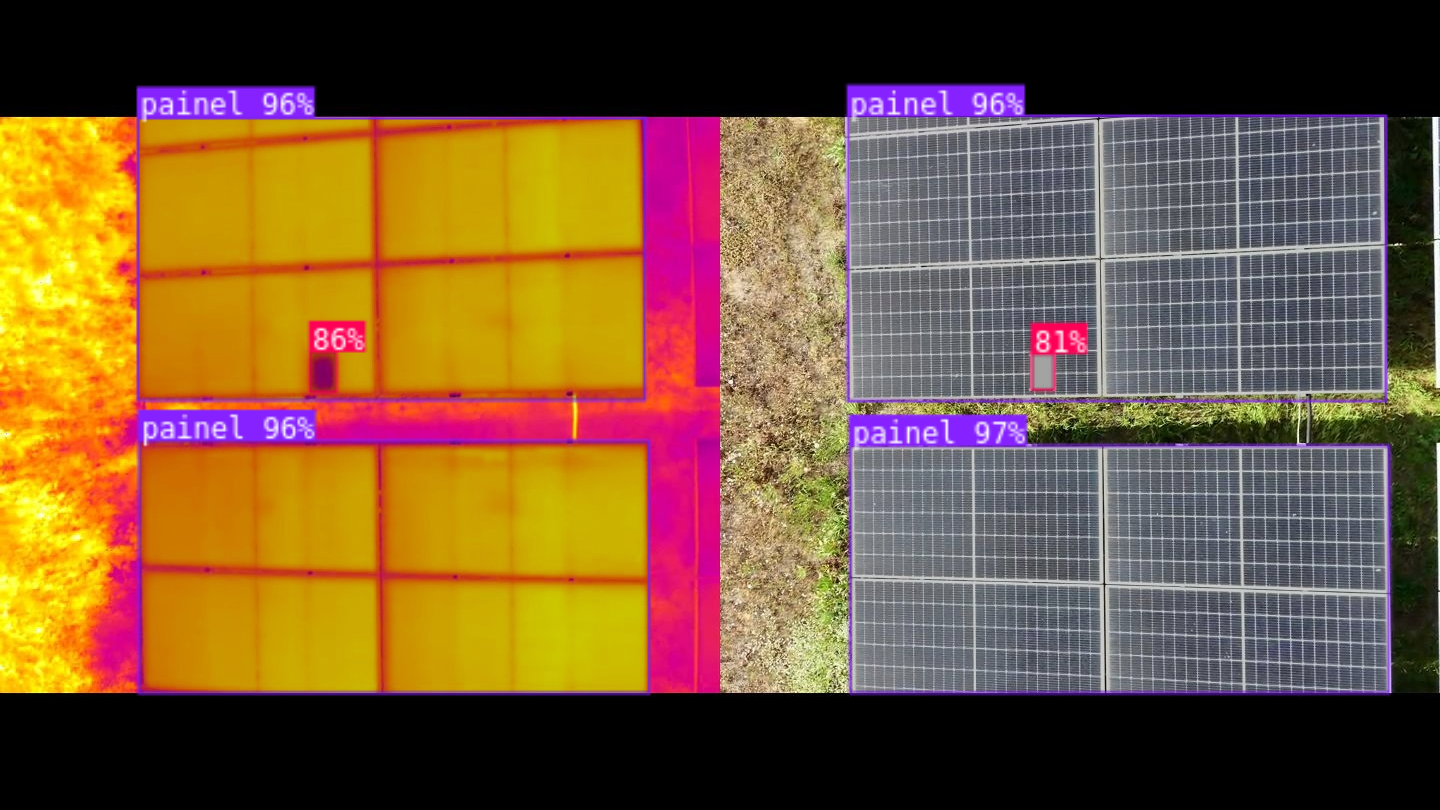
From the users’ perspective, this technology only requires a green light to proceed – in other words, a request to execute the mission. Everything else is handled autonomously. It is an integrated platform based on an unmanned aerial vehicle (UAV), equipped with visible spectrum and thermographic cameras. The solution stands out for the onboard processing capability, enabling real-time trajectory adaptation to optimise inspection coverage and improve the effectiveness of automatic defect detection.
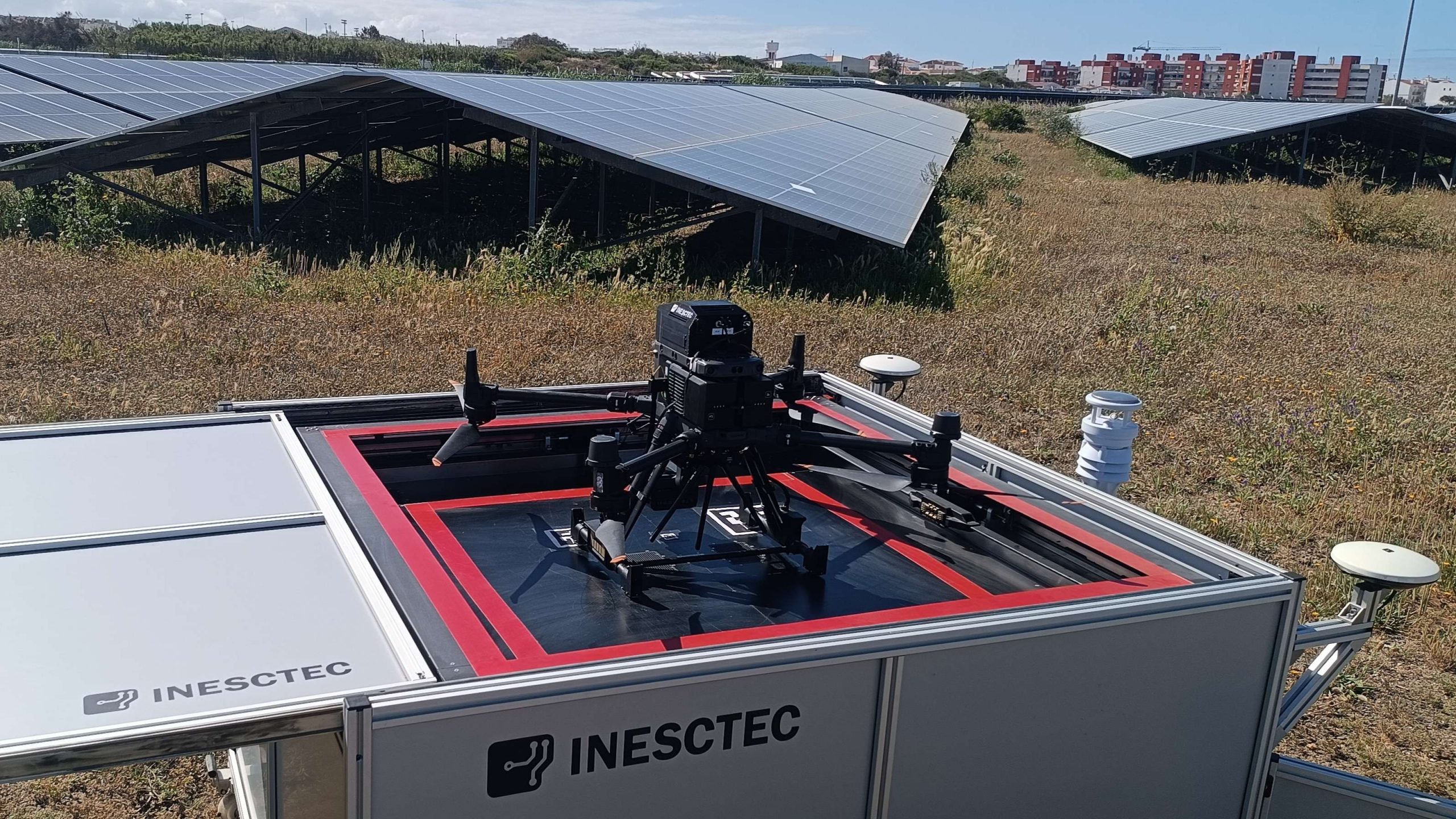
“The system includes a dedicated docking station responsible for charging, storage and managing the UAV operation. This infrastructure enables fully autonomous operation, from take-off, mission execution and anomaly detection, through to landing and vehicle retrieval,” said André Dias.
According to the INESC TEC researcher and lecturer at the Instituto Superior de Engenharia do Porto (ISEP), at the end of each mission the UAV automatically sends a detailed report to the NEXUS project dashboard, including the route taken and the geolocation of detected flaws, which facilitates analysis and decision-making by operators. “The only human intervention required is the request to execute the mission, reinforcing the high level of autonomy of the solution,” he explained.
In addition, the system automatically monitors weather conditions to ensure missions are only carried out when suitable conditions are met, without requiring human intervention in this process.
“The tests carried out at the Port of Sines demonstrate the potential of this technology to increase efficiency, reduce operational costs and improve the monitoring of large photovoltaic infrastructures. In this sense, we’re contributing to the energy transition and the digitalisation of the sector,” claimed André Dias.
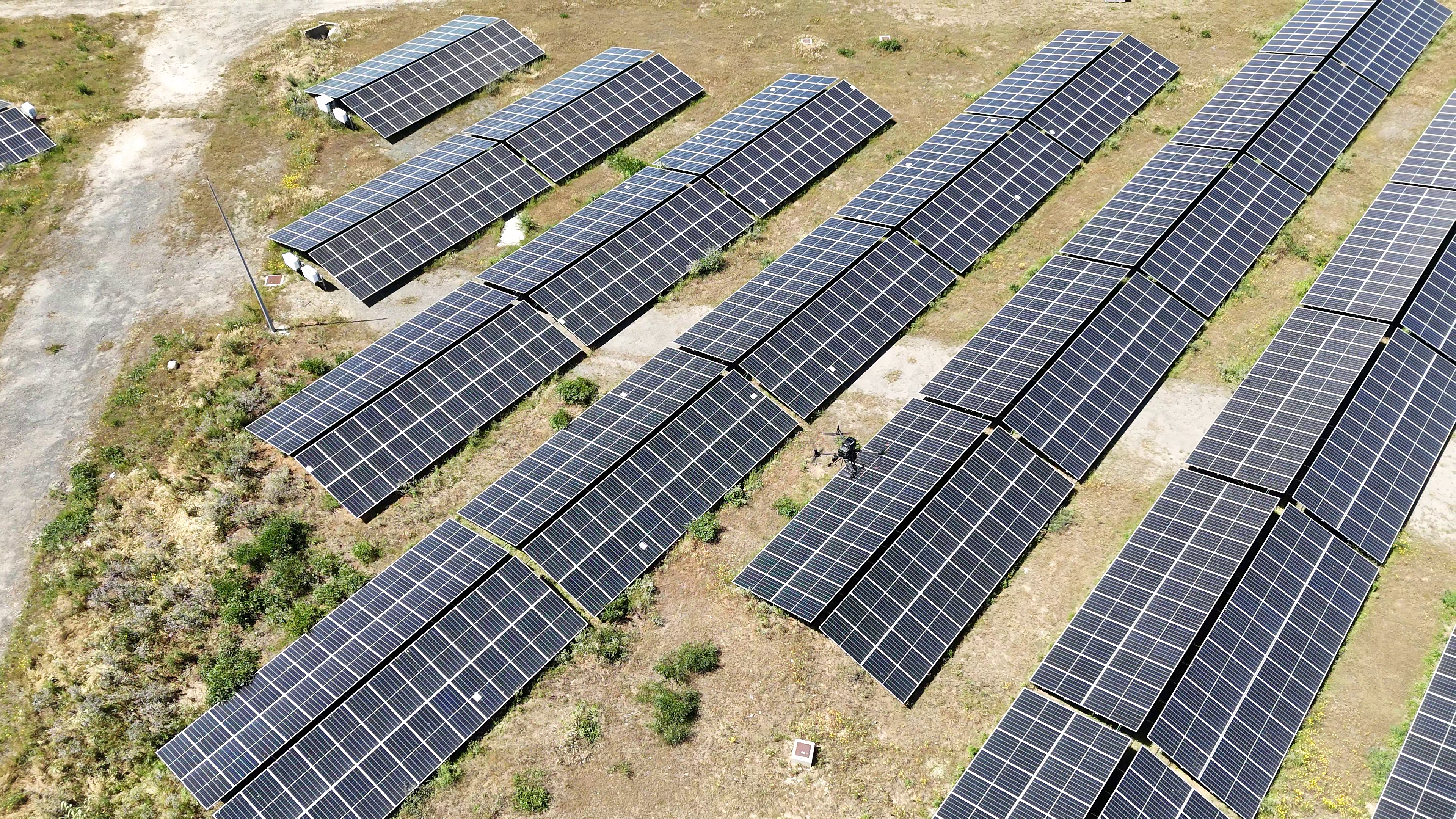
The experimental testing campaign at the Sines Port Photovoltaic Park took place on 22 and 23 April and validated the use of this solution for autonomous inspection of photovoltaic panels.
The NEXUS Agenda, funded by the Recovery and Resilience Programme (PRR), with a consortium led by APS – Administração dos Portos de Sines e do Algarve, involving 35 partners and a budget of over €90M, aims to create an ecosystem of 28 products and services for the green and digital transition in the transportation and multimodal sectors.
 News, current topics, curiosities and so much more about INESC TEC and its community!
