


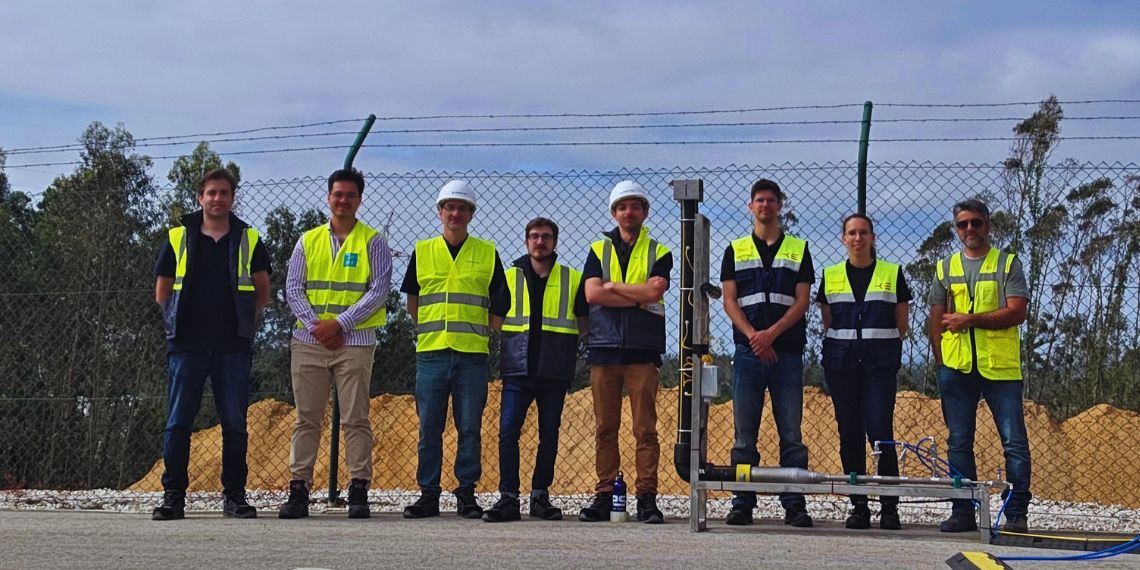
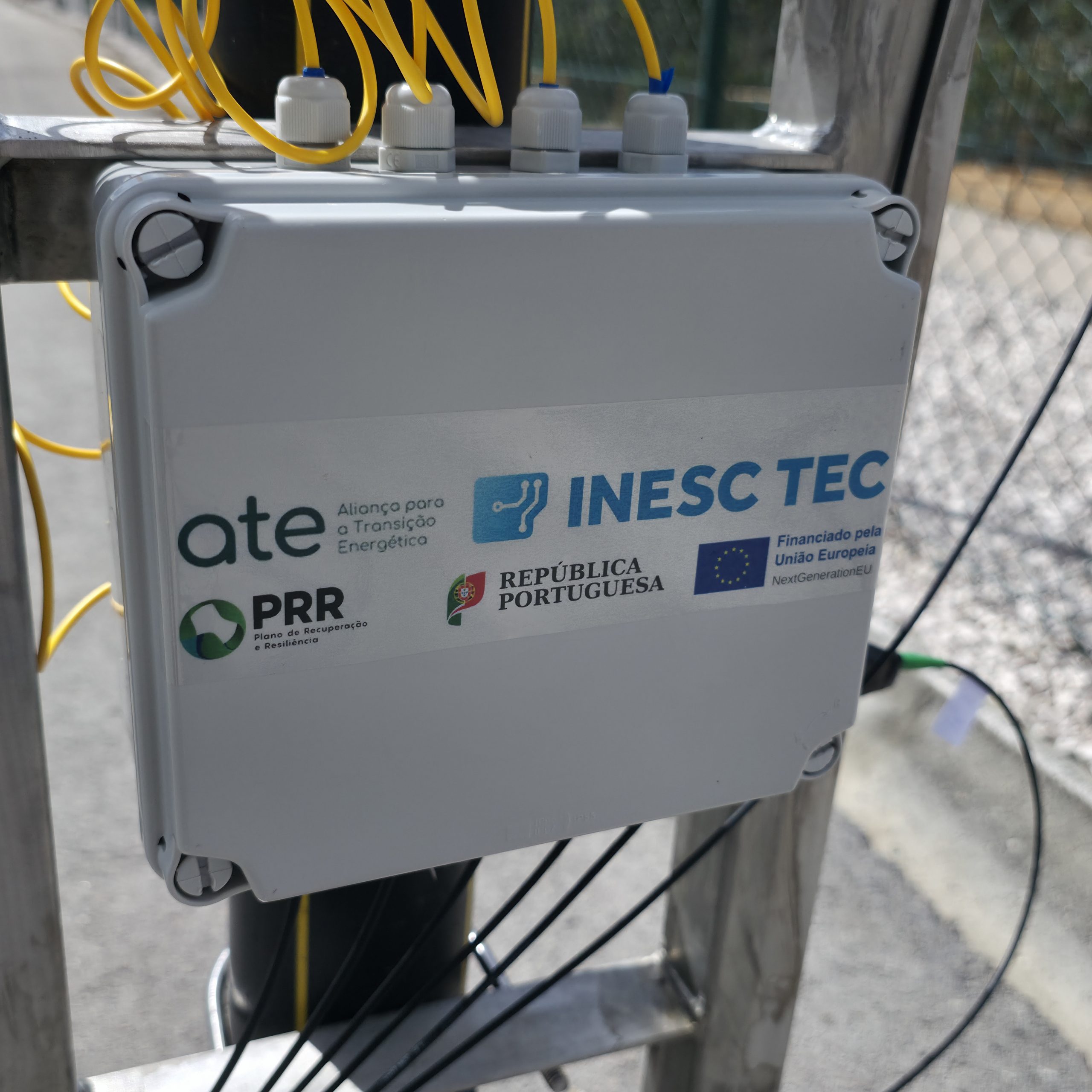
A hydrogen or methane leak may be invisible, but a new generation of sensors developed by INESC TEC will not let it go undetected. Over two days, researchers from the Institute installed and tested a gas monitoring technology at PRF’s facilities in Leiria. The technology was developed as part of the Alliance for the Energy Transition (ATE), a project funded through Portugal’s Recovery and Resilience Plan (PRR).
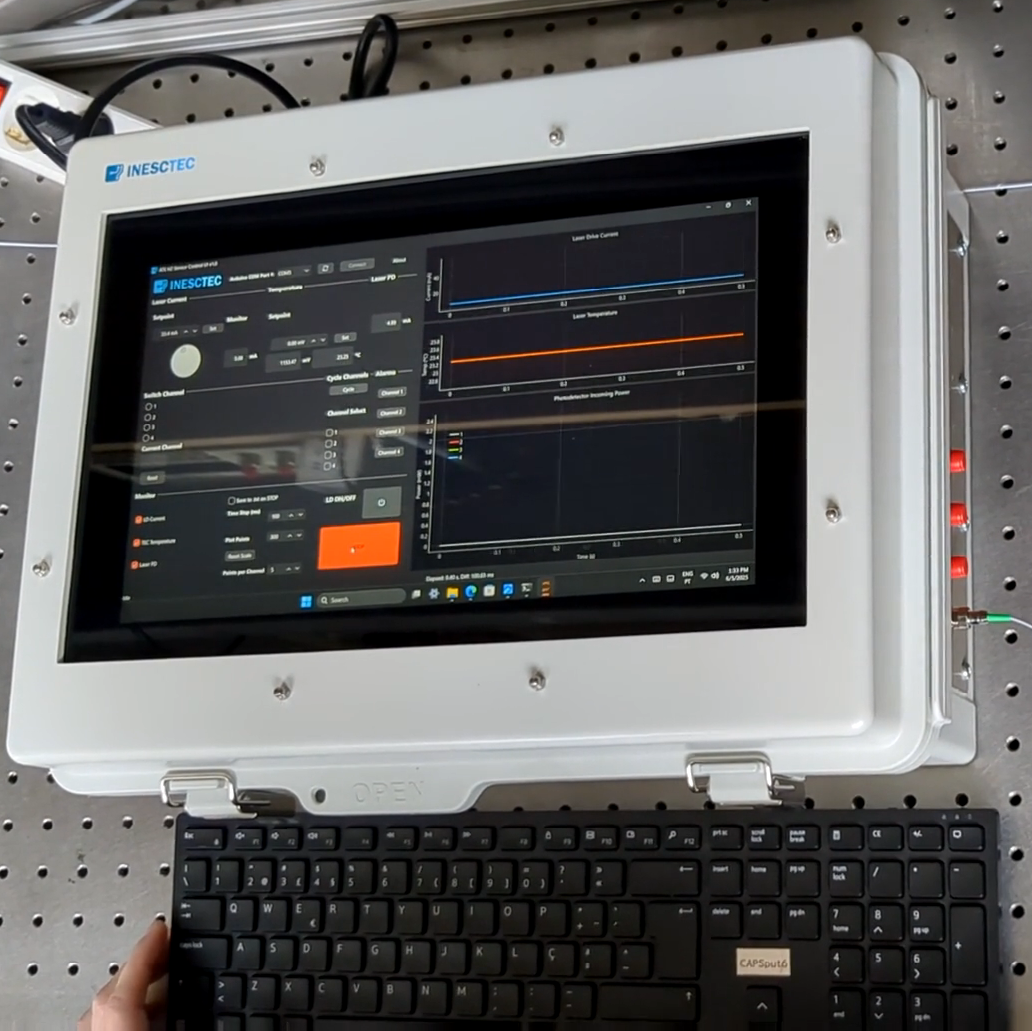
This marks an important step towards ensuring the safety of future energy infrastructures. Developed in collaboration with PRF, TEKEVER and ISQ, the industrial demonstrator enabled controlled simulations of hydrogen and methane leaks and validated the performance of the sensors developed by INESC TEC by comparing them with commercial reference systems operated by ISQ. At the same time, TEKEVER carried out remote methane detection tests using drones. Alongside the sensors, INESC TEC also developed the remote interrogation units capable of simultaneously controlling up to 32 sensors.
“INESC TEC developed the entire hydrogen and methane detection technology, from the optical fibre sensors to the interrogation systems; we also carried out the full characterisation, calibration and laboratory validation,” explained Luís Coelho, an INESC TEC researcher.
Unlike commercial solutions, the technology relies exclusively on passive optical fibre sensors, enabling remote detection and continuous monitoring without requiring electrical components at the measurement point.
“Most commercial solutions rely on electrochemical technology or require electrical equipment attached to the sensor. In environments where hydrogen or methane creates an explosion risk, this can become a significant limitation. Our solution enables real-time monitoring with automatic data logging, high scalability and the ability to multiplex multiple sensors across the same infrastructure,” added the researcher.
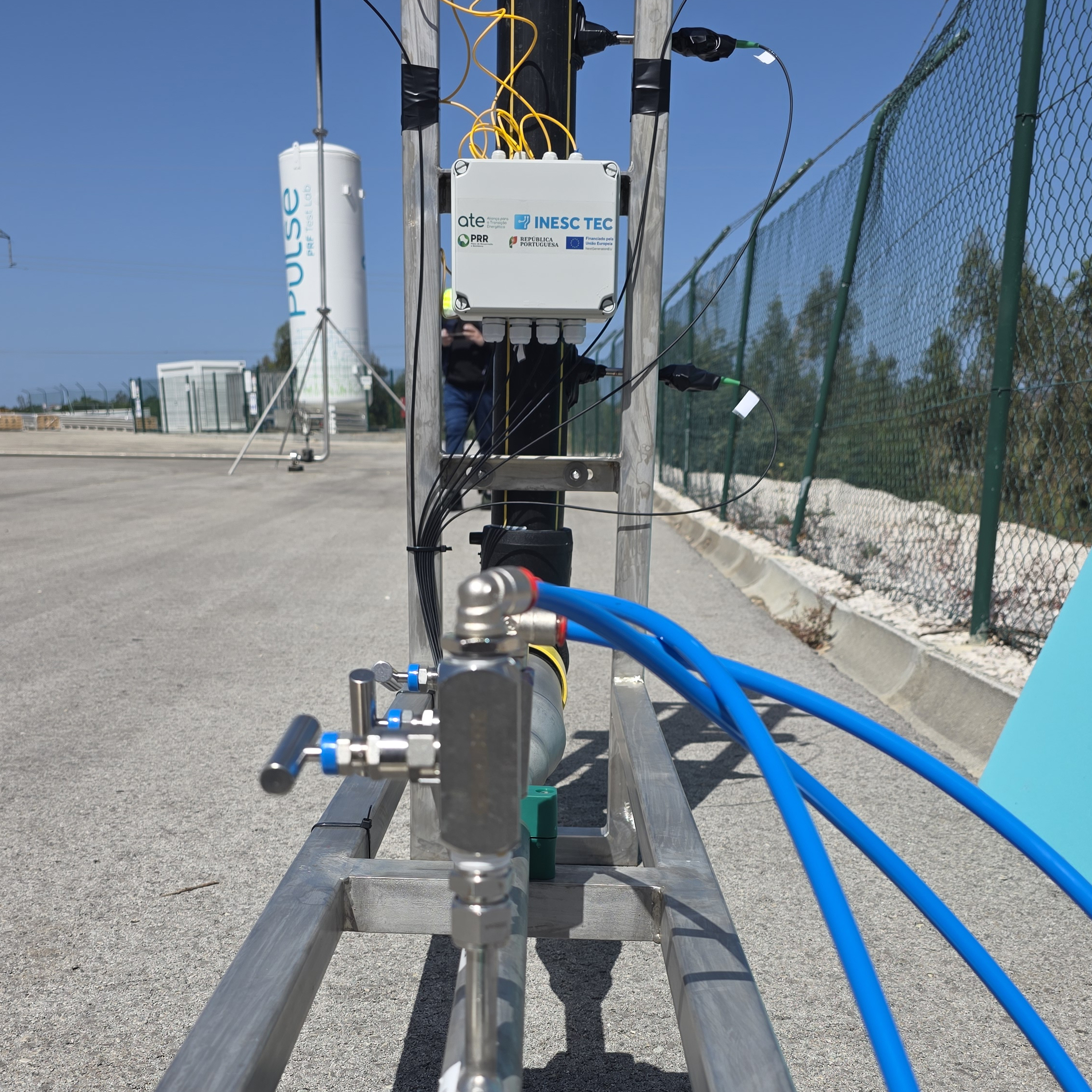
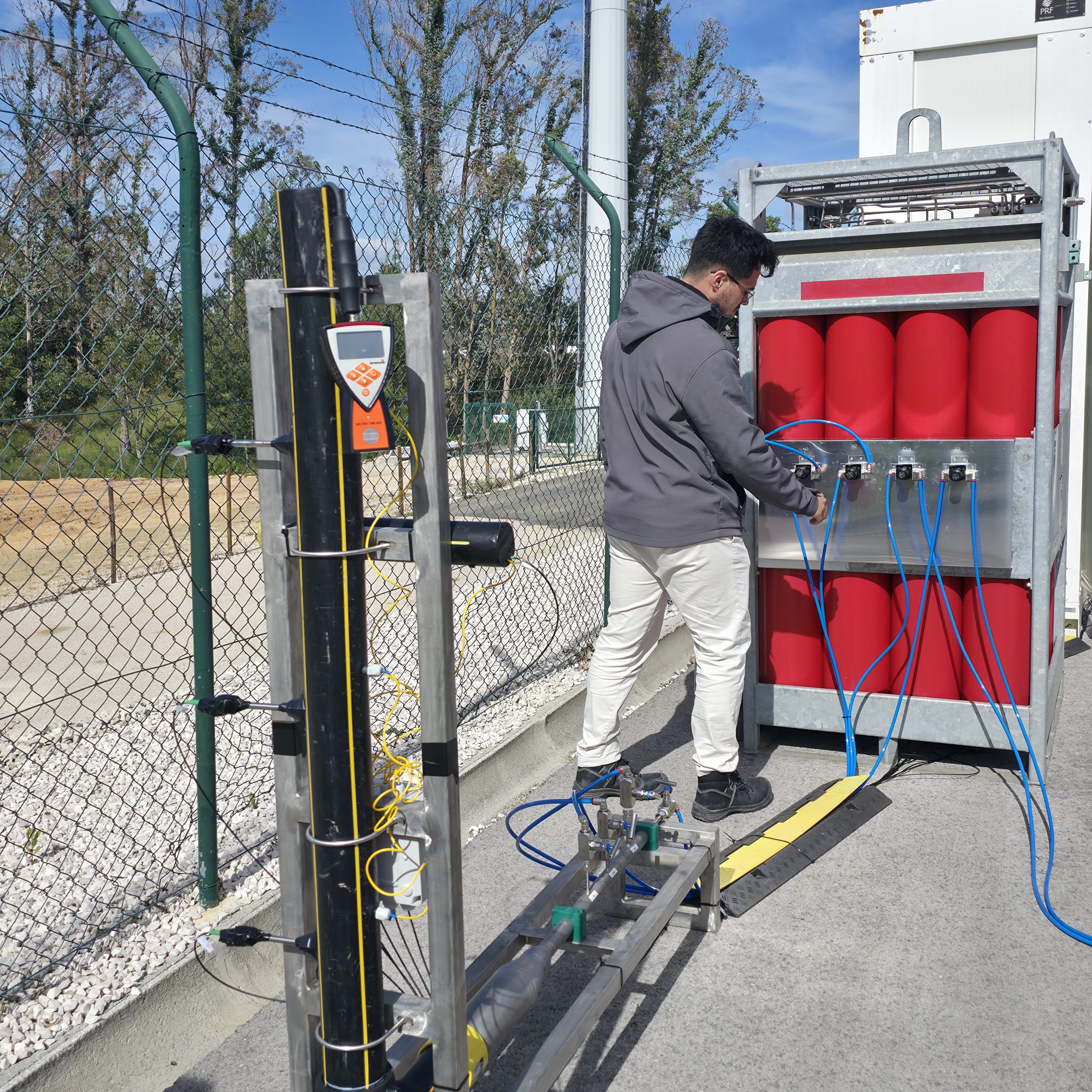
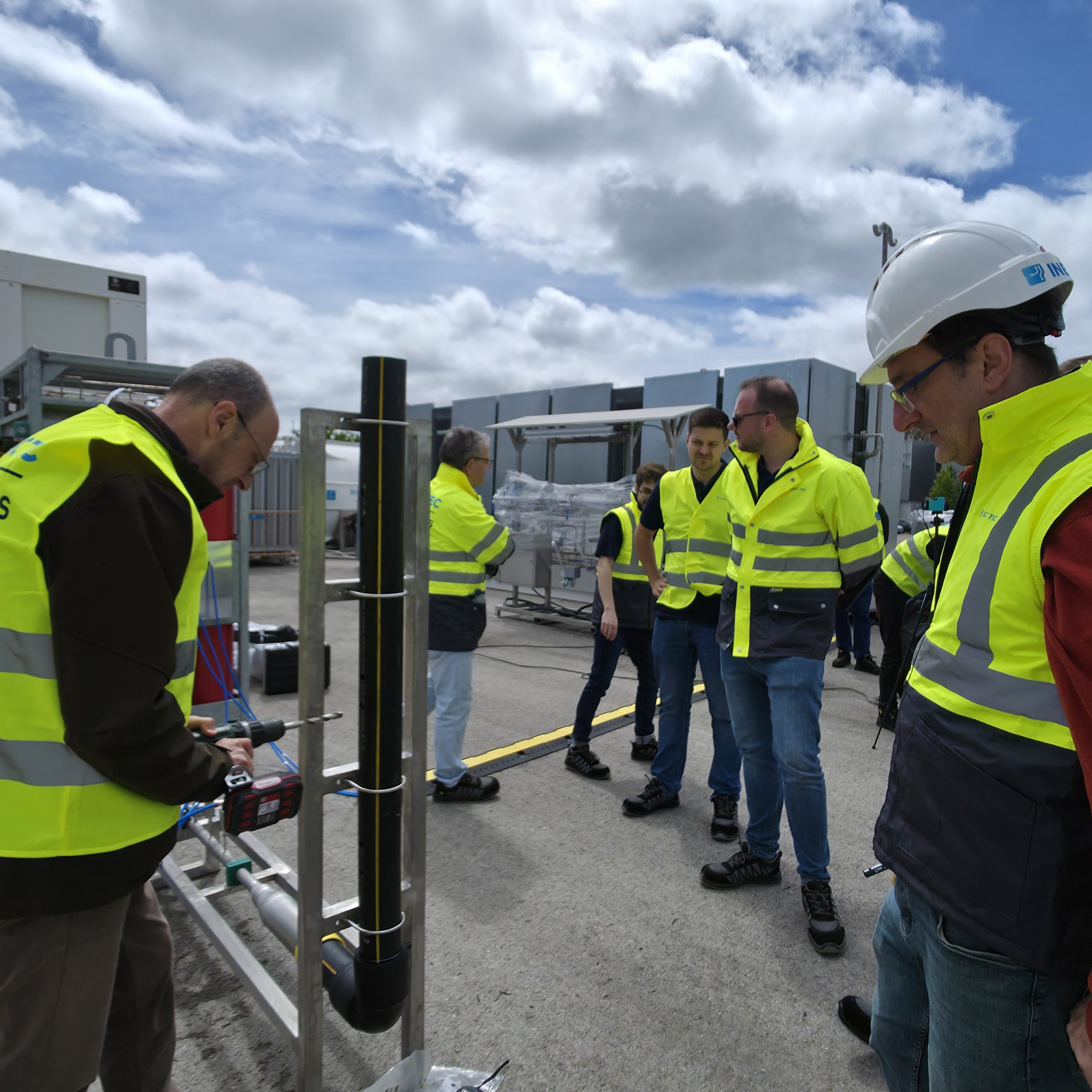
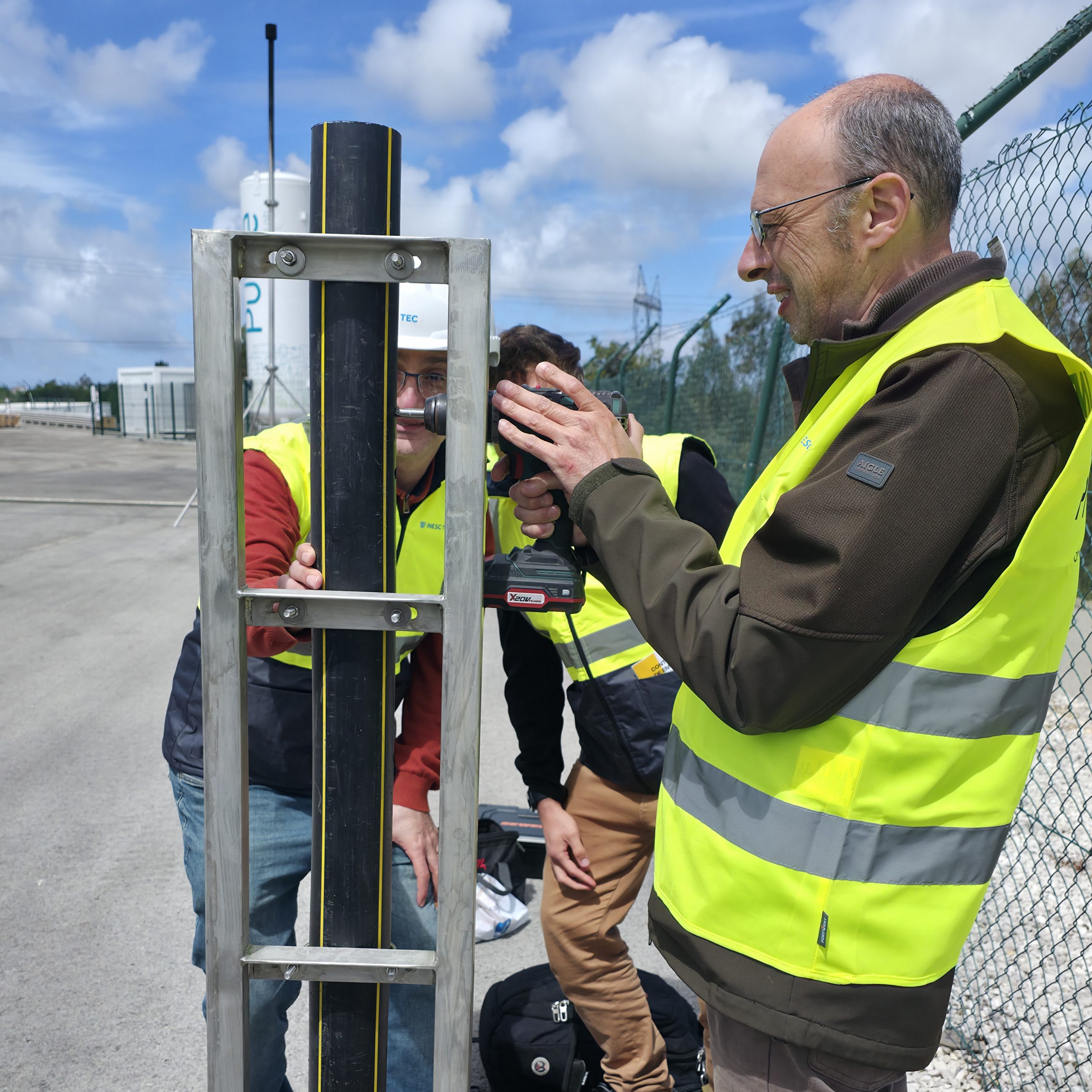
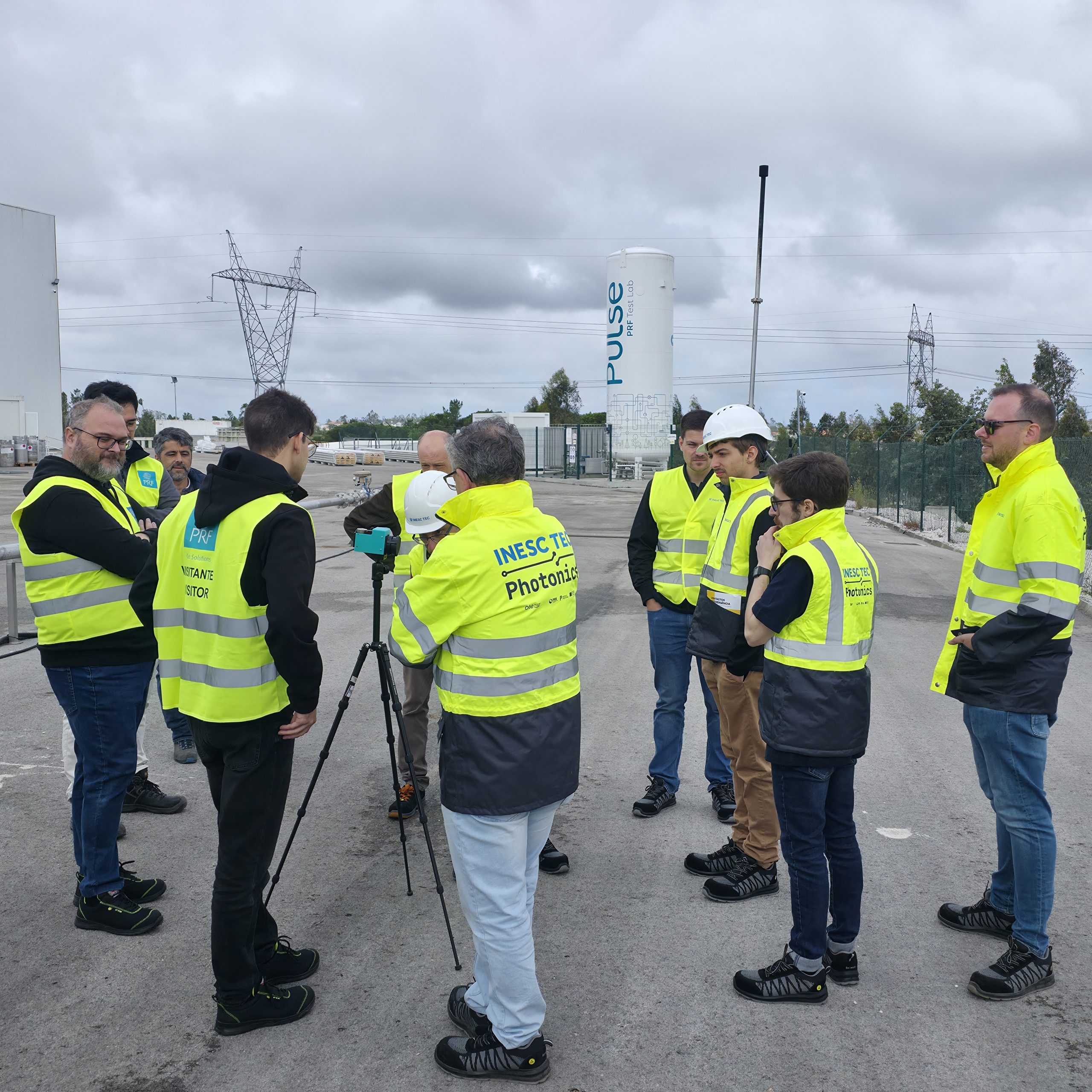
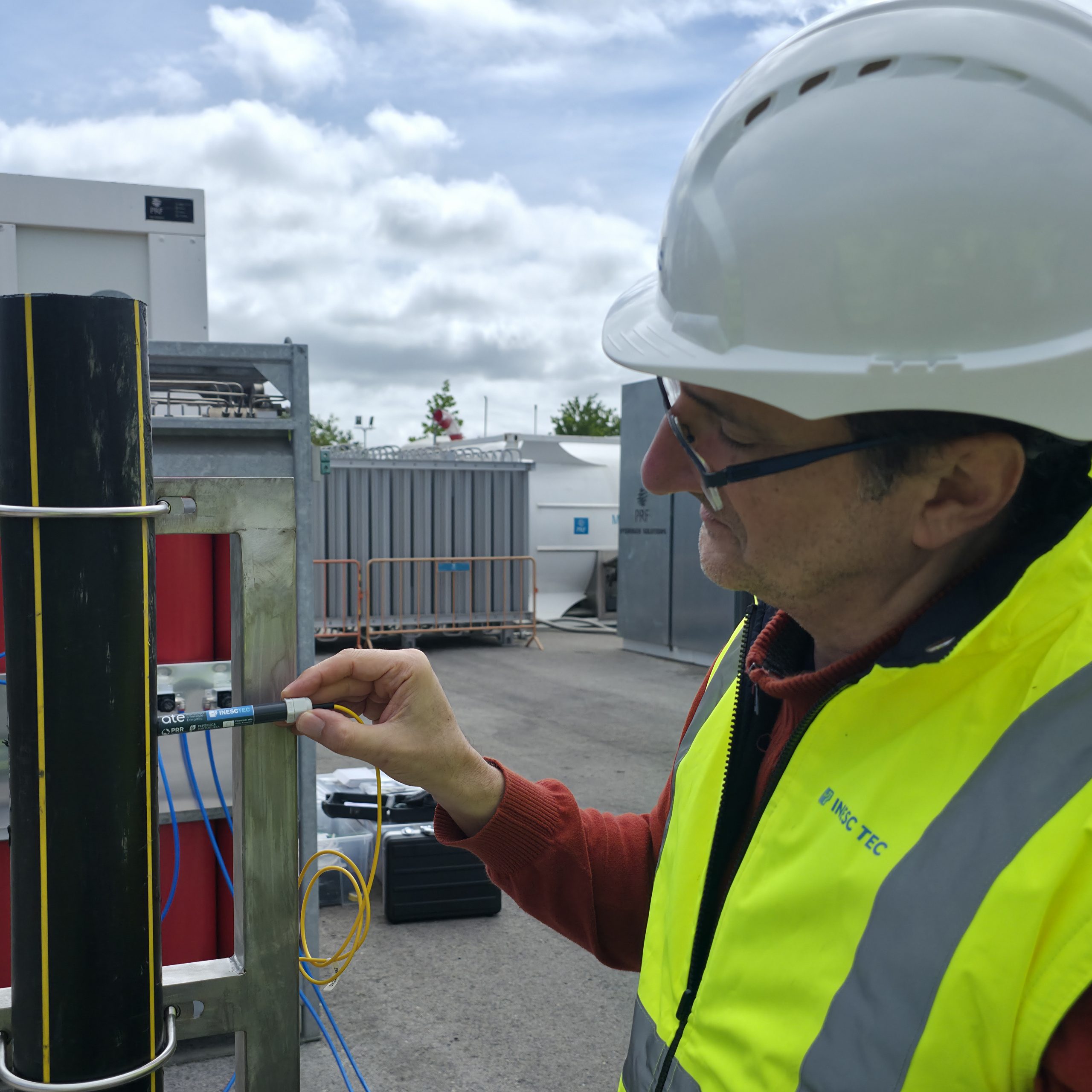
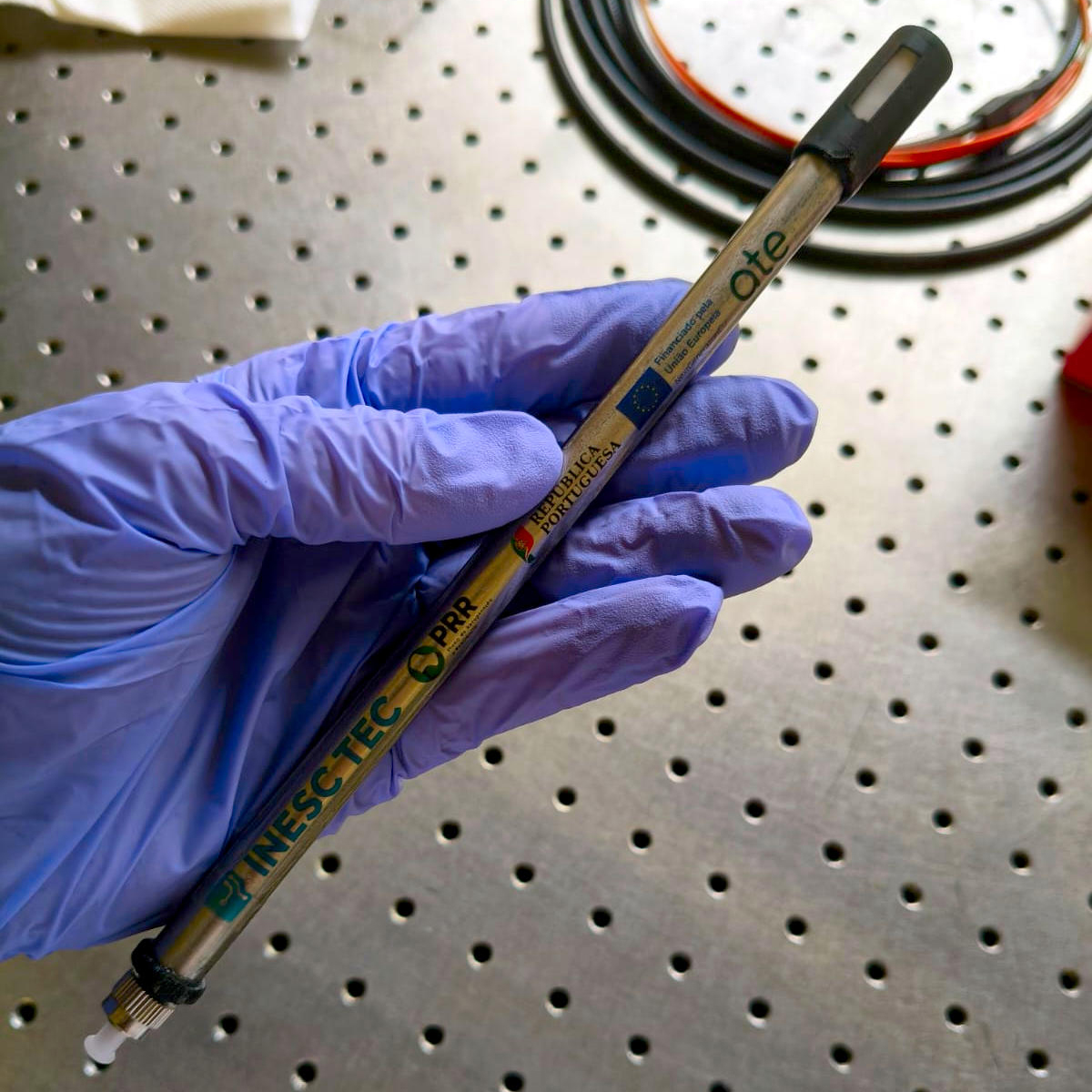
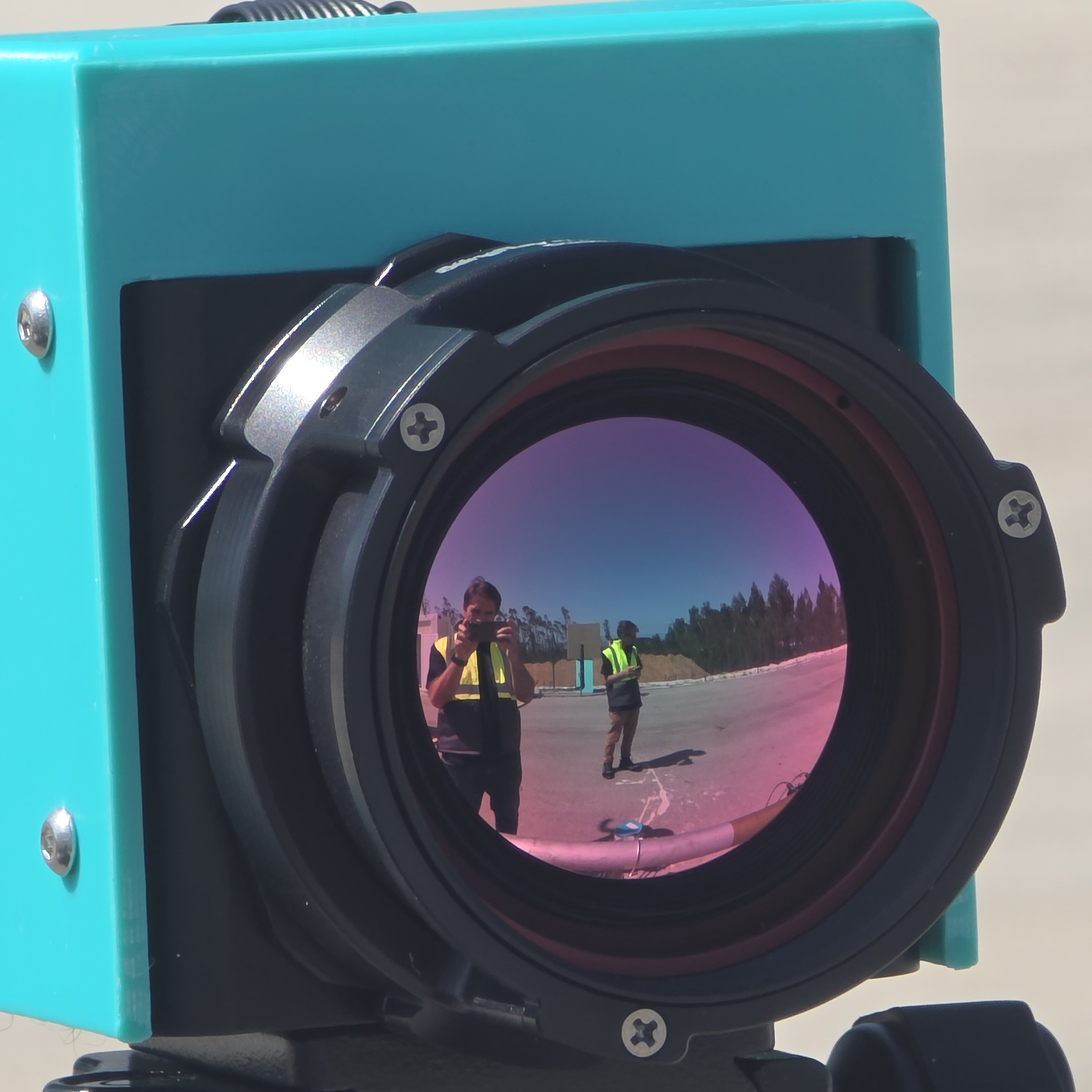
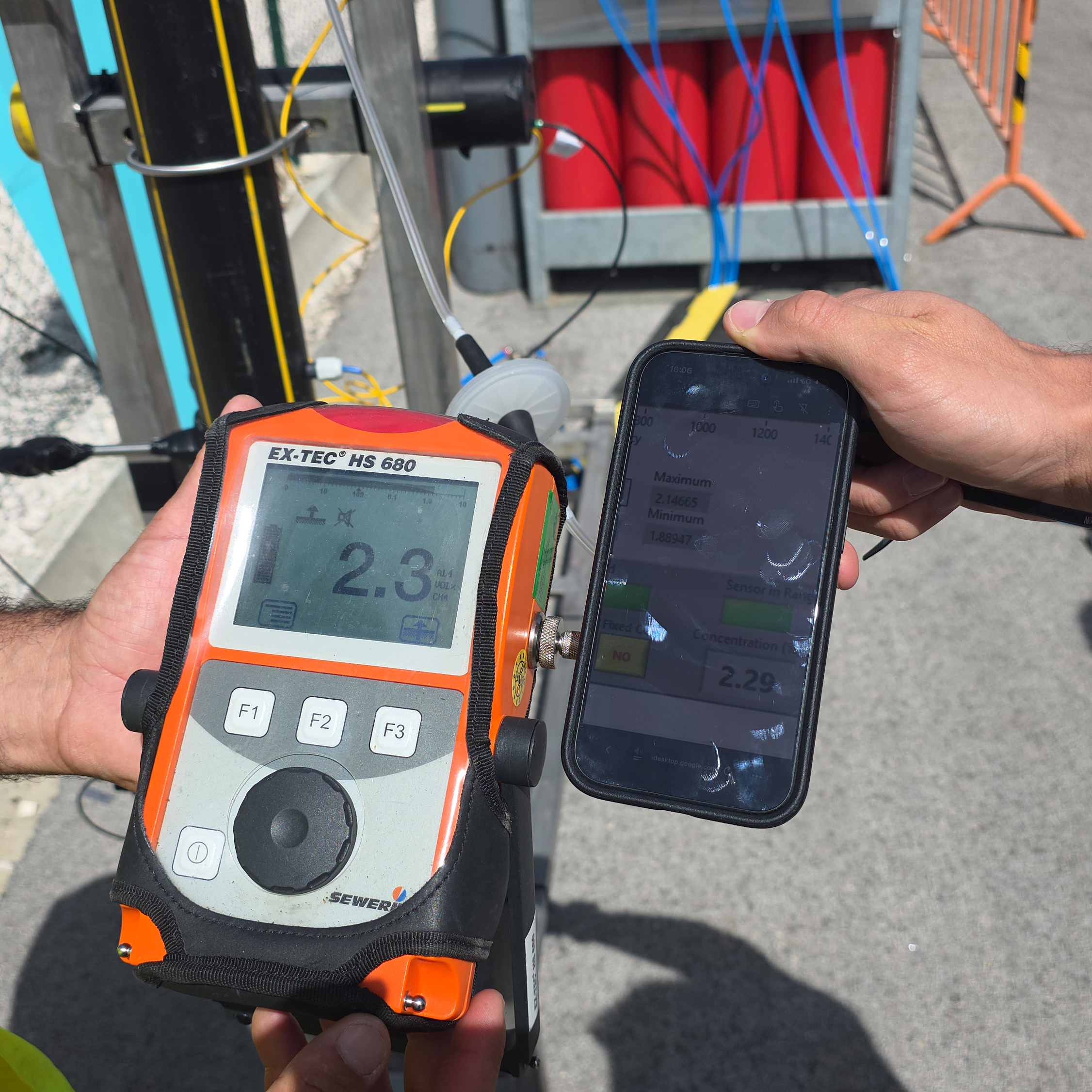
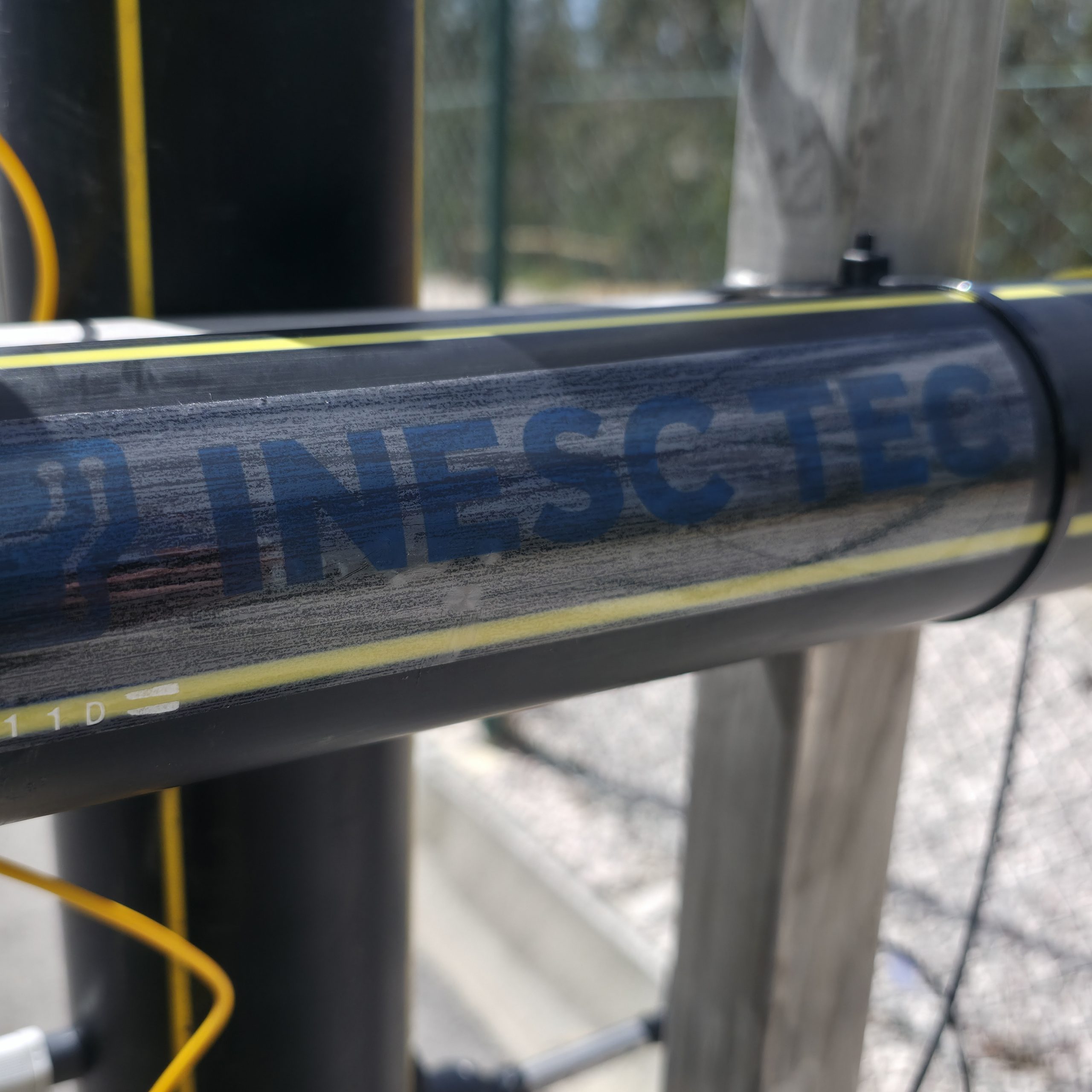
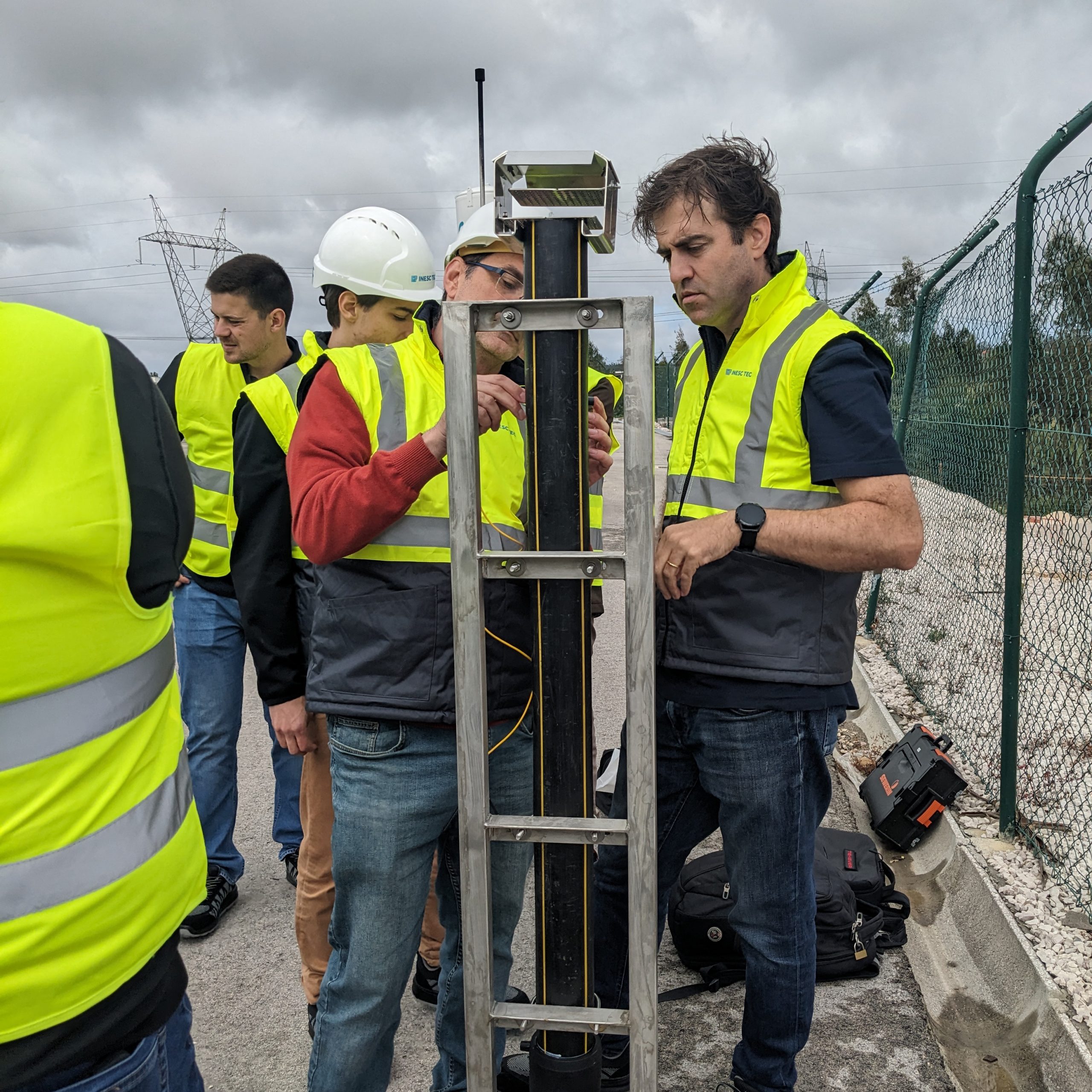
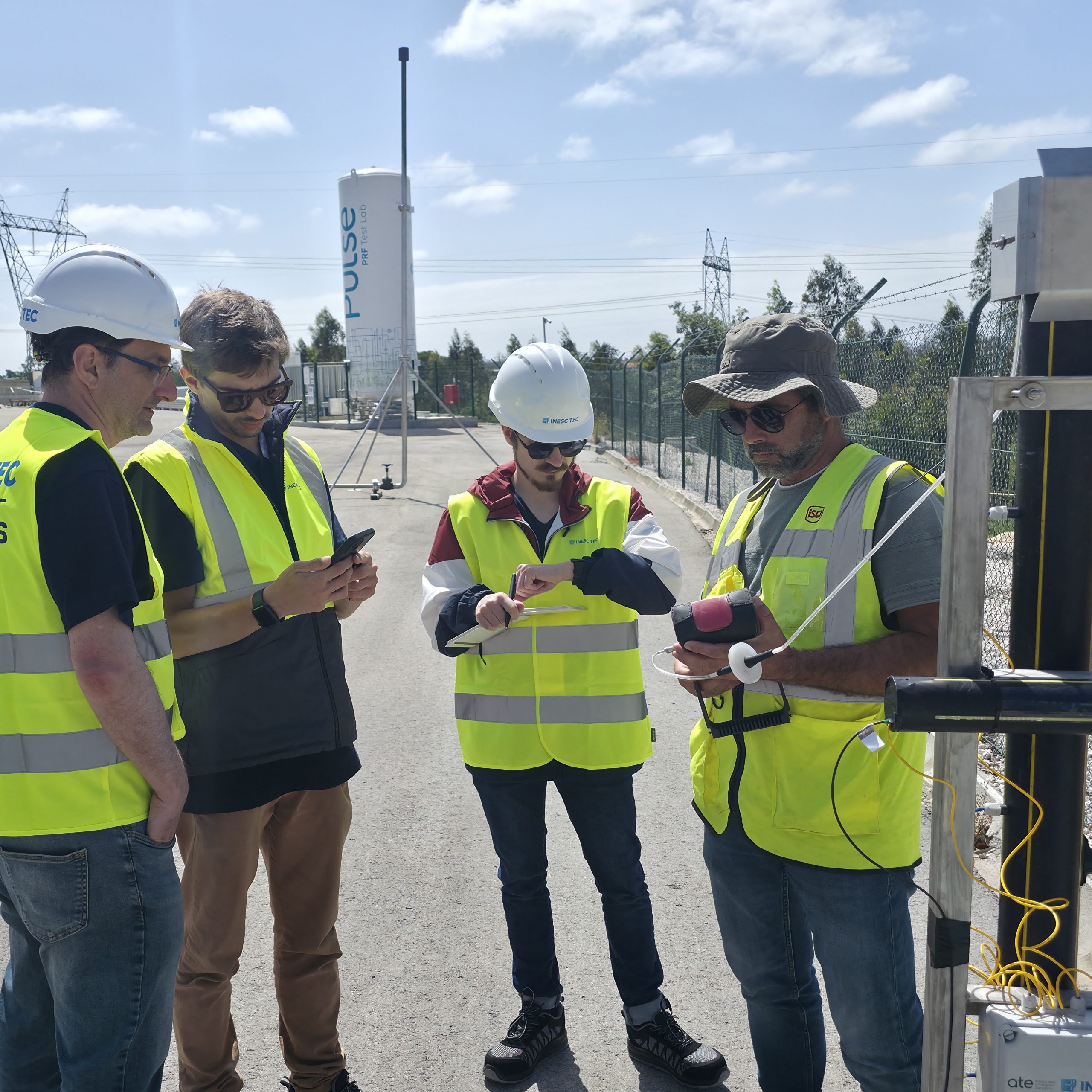
The technology is particularly relevant because it addresses the expected evolution of today’s natural gas infrastructure, which is set to gradually incorporate hydrogen over the coming years. The sensors can monitor pipelines, storage tanks, production facilities and refuelling systems, enabling operators to detect leaks at an early stage, reduce the risk of accidents and minimise gas emissions into the atmosphere.
The trials demonstrated the technology’s ability to respond rapidly to the presence of hydrogen and methane under controlled conditions. For hydrogen detection, the optical fibre and nanostructure-based sensors achieved “response times of less than one second (T90)”. For methane monitoring, the system detected concentrations below 1% using optical spectroscopy while also measuring gas pressure.
“These results demonstrate the potential of the technologies developed for use in energy infrastructures, gas transmission and distribution networks, industrial environments and safety systems,” said Luís Coelho.
The project led to the submission of three patent applications, which are currently undergoing international evaluation, highlighting both the innovative nature of the technology and its commercial potential. The project has also strengthened scientific and technical capacity; it contributed to two master’s theses (one focused on hydrogen and the other on methane), both awarded the highest mark of 20/20, while a PhD thesis is currently underway. The team has also disseminated the results through peer-reviewed papers published in international journals, additional papers submitted or in preparation, presentations at national and international conferences, and participation in industry-focused events and discussion forums.
 News, current topics, curiosities and so much more about INESC TEC and its community!
