


What if Artificial Intelligence (AI) could learn more from less? That is the challenge behind LEIA, a project involving INESC TEC and the National Institutes of Applied Research (NIAR), Taiwan. The project aims to develop new AI techniques to support the diagnosis of lung diseases and the monitoring of environmental ecosystems, while reducing the need for large quantities of expert-annotated data.
Artificial Intelligence is here to stay; however, for AI systems to perform effectively, they first need to learn by analysing vast amounts of data that have been processed and labelled to serve as examples, enabling them to recognise patterns and make decisions. Preparing these datasets is a complex, demanding and time-consuming task. To address this challenge, INESC TEC has launched LEIA – Learning Efficiently from Incomplete Annotations in the Era of Vision Foundation Models.
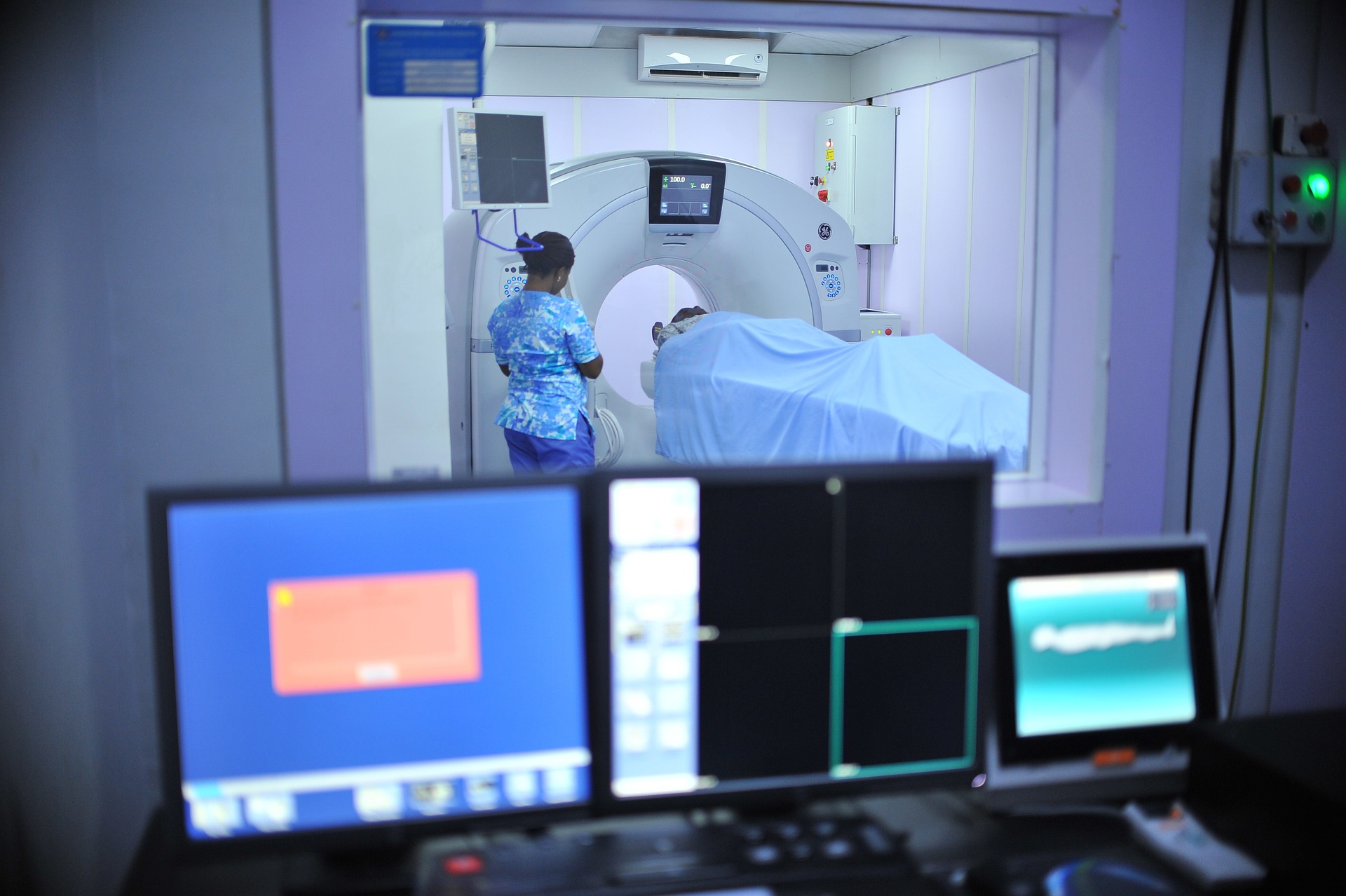
Rather than following step-by-step programmed instructions, AI systems learn to recognise patterns and make decisions from examples. According to João Pedrosa, a researcher at INESC TEC in the field of bioengineering and the project coordinator, this is particularly relevant in healthcare. “When the goal is to detect a lesion in a medical image, an expert must first identify and annotate the location of that lesion across multiple images. The AI system can then learn the patterns associated with that type of lesion – this is known as a supervised learning approach.”
This is where LEIA seeks to make a difference. Instead of relying on thousands of fully annotated images, the researchers are developing new techniques that enable AI systems to learn from a much smaller number of annotated examples by making use of the information available in large volumes of unlabelled data through semi-supervised learning methods. Said methods will be combined with the knowledge embedded in AI models that have already been trained on general-purpose tasks, known as foundation models. By integrating these pre-trained models, AI systems should be able to interpret images more efficiently, even when less expert-provided information is available, accelerating the development of new solutions. More specifically, LEIA will explore the role that foundation models can play and develop new semi-supervised methods capable of making the most of their capabilities.
In addition to developing semi-supervised methods based on foundation models, the project’s main contributions will focus on high-impact application areas like healthcare, through the detection of interstitial lung diseases, and environmental monitoring, through drone-based territorial surveillance.
Running for one year, LEIA is an exploratory project carried out in partnership with the National Institutes of Applied Research (NIAR), Taiwan, with total funding of approximately €57K.
 News, current topics, curiosities and so much more about INESC TEC and its community!
