


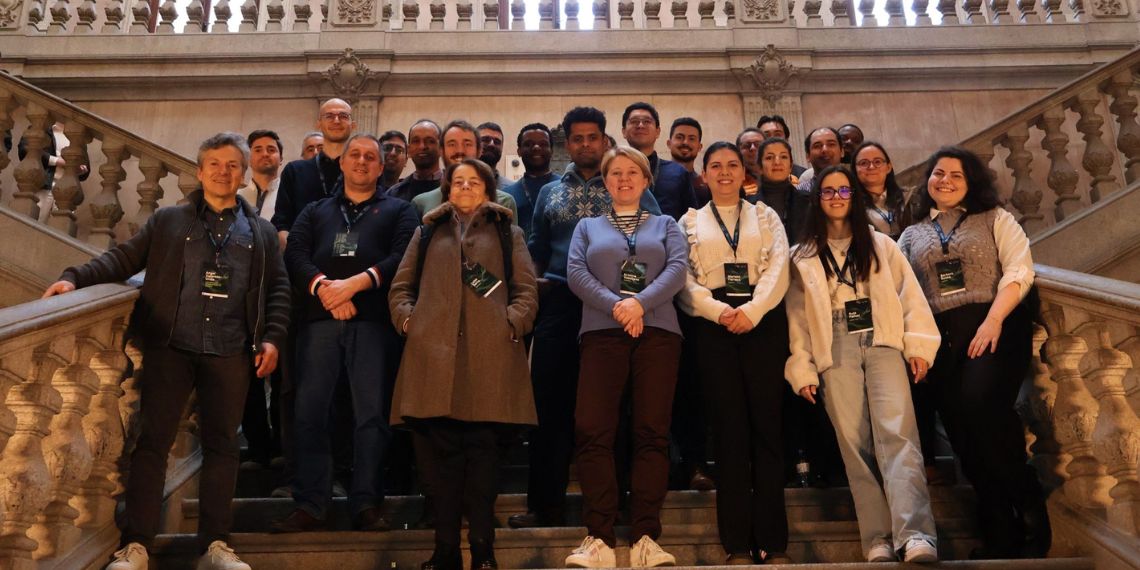
Two days, more than 50 participants, and one conviction: Artificial Intelligence (AI) is undoubtedly one of the most powerful allies in Europe’s energy transition. The second Energy & Green AI workshop – organised by INESC TEC and SINTEF Digital under the European project ENFIELD – brought together experts from several countries to discuss the challenges and opportunities at the intersection of AI and energy systems.
After the first edition, held in March in Slovenia, the Palácio da Bolsa in Porto set the stage for this gathering, designed to share advanced knowledge and foster new European partnerships. According to Ricardo Bessa, INESC TEC researcher and workshop promoter, these events reinforce the institution’s role in European leadership on dimensions that combine energy, digitalisation, and sustainability.
“These meetings are essential to promote the exchange of ideas among researchers. New collaborations and research areas, and solutions that accelerate the sustainable transformation of the energy sector are only possible via open dialogue; and they’re also an excellent opportunity,” he noted.
The first day focused on AI for Energy, with presentations highlighting the importance of modernising energy systems through AI-based tools. Among the contributions shared by experts from various entities across the energy and digital ecosystem – including REN, EDP, INESC TEC, TalTech, NOVA School of Science and Technology, Iskraemeco, and Gruppo Maggioli – topics included digital twins and infrastructure monitoring, power grid optimisation, explainable AI methods applied to energy systems, price dynamics and incentives for electric vehicle charging, data marketplaces for renewable forecasting, and intelligent energy management solutions for buildings.
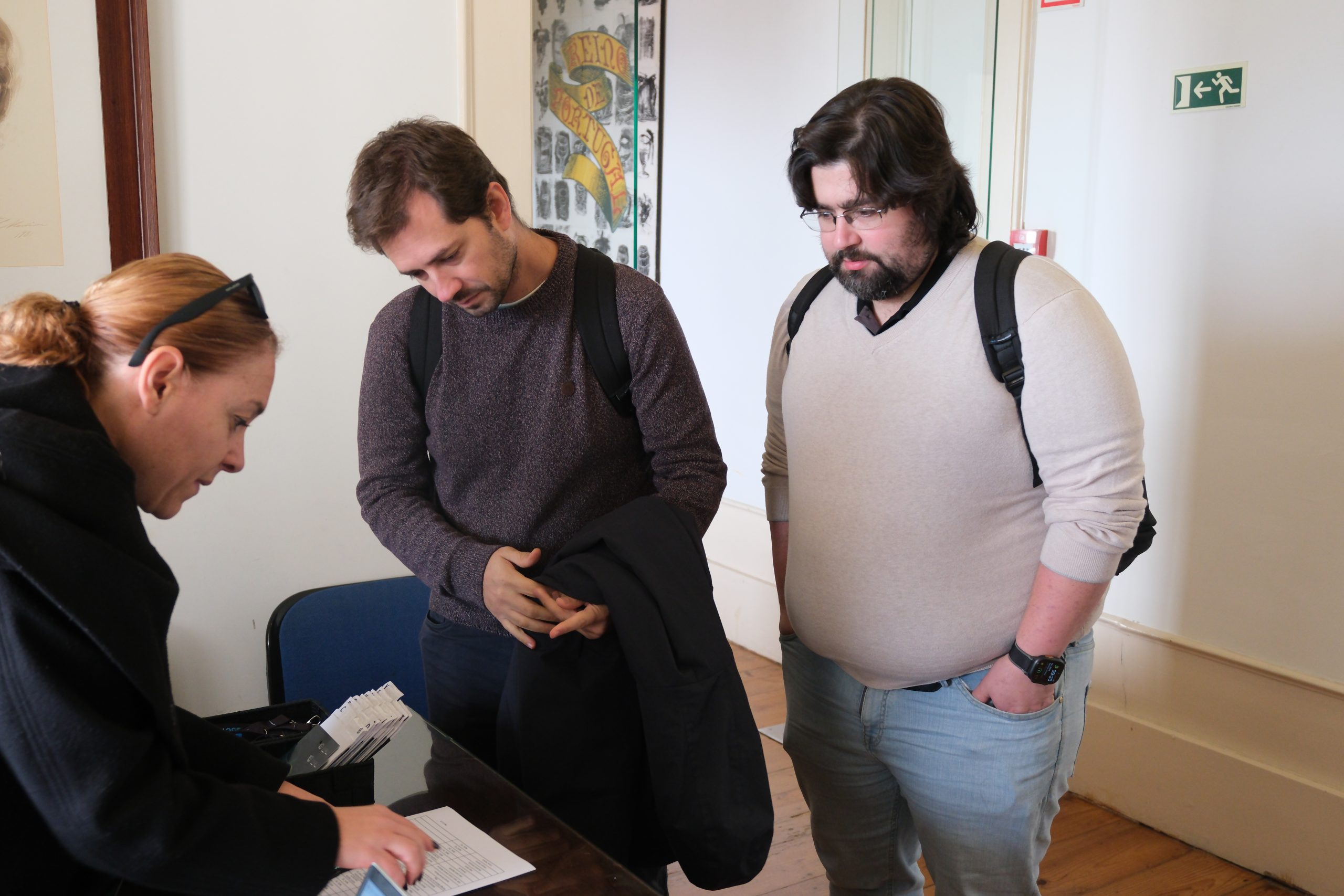
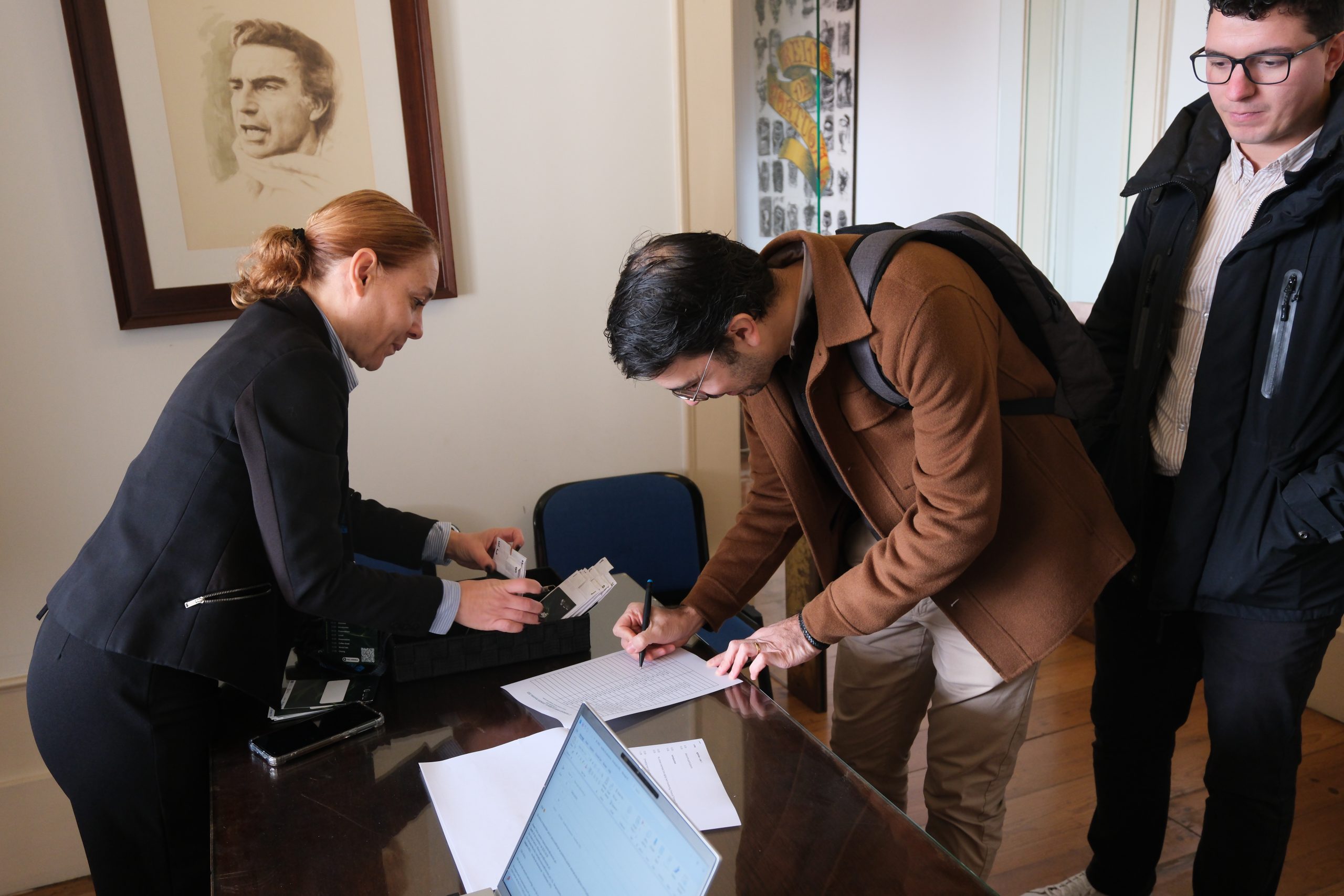
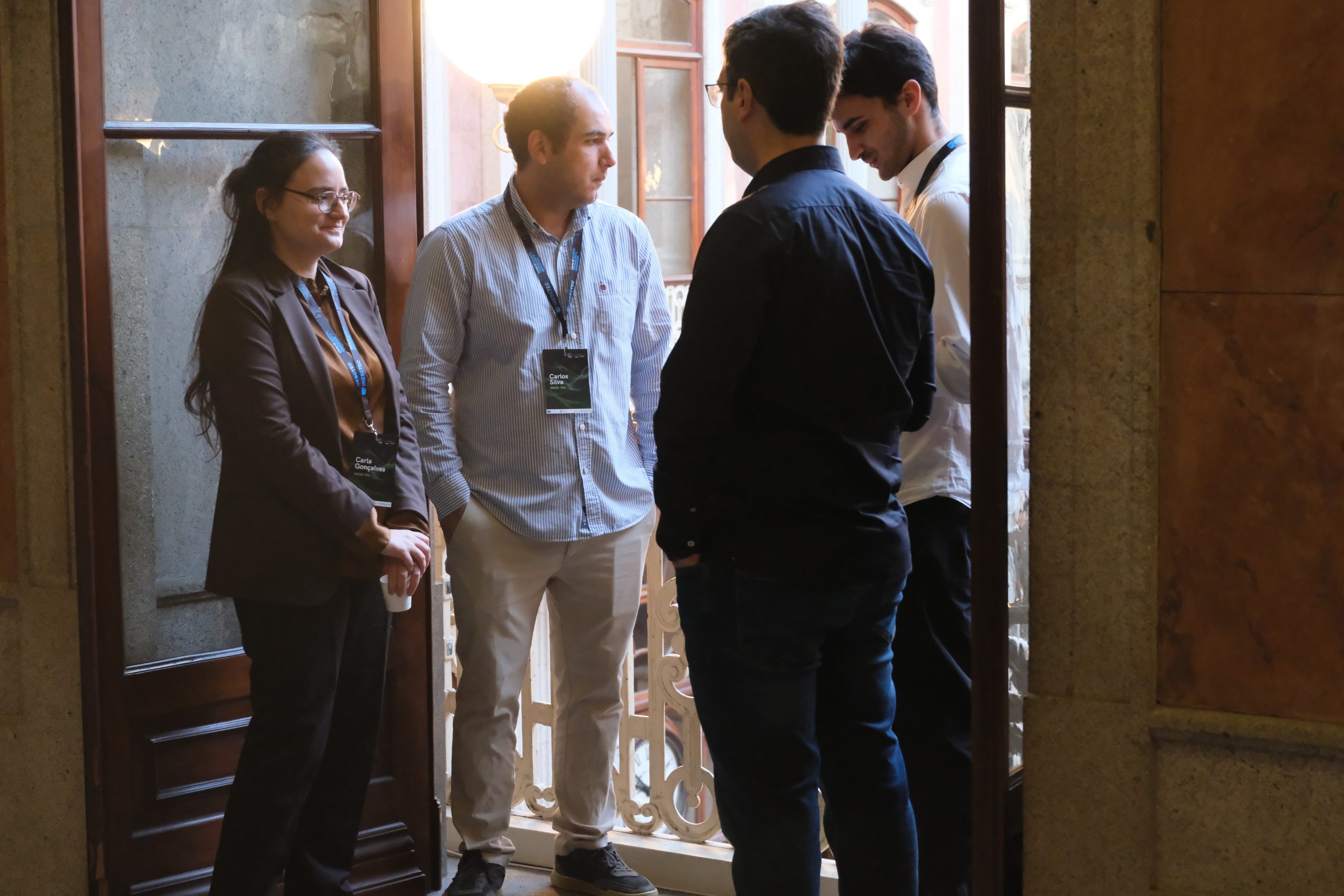
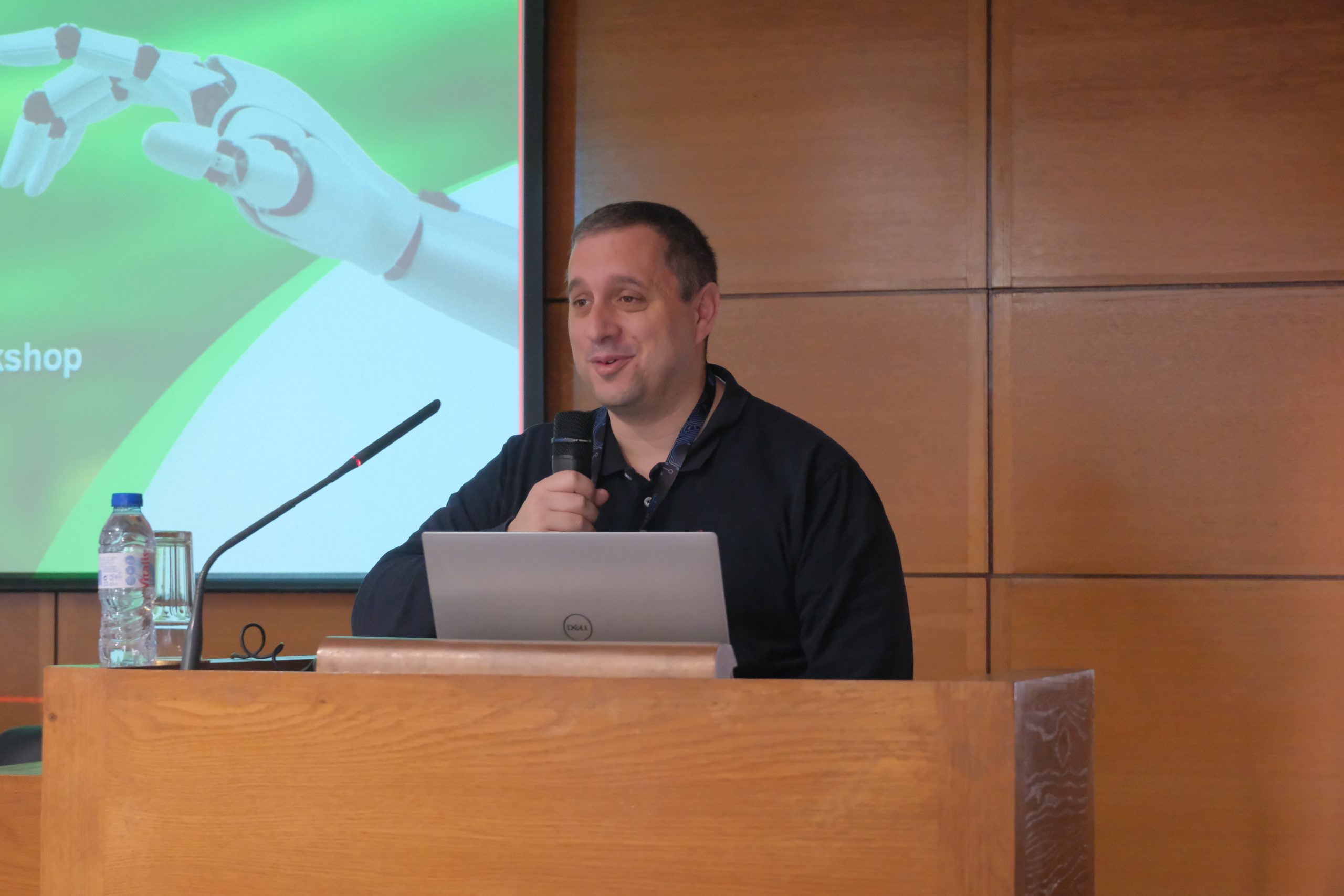
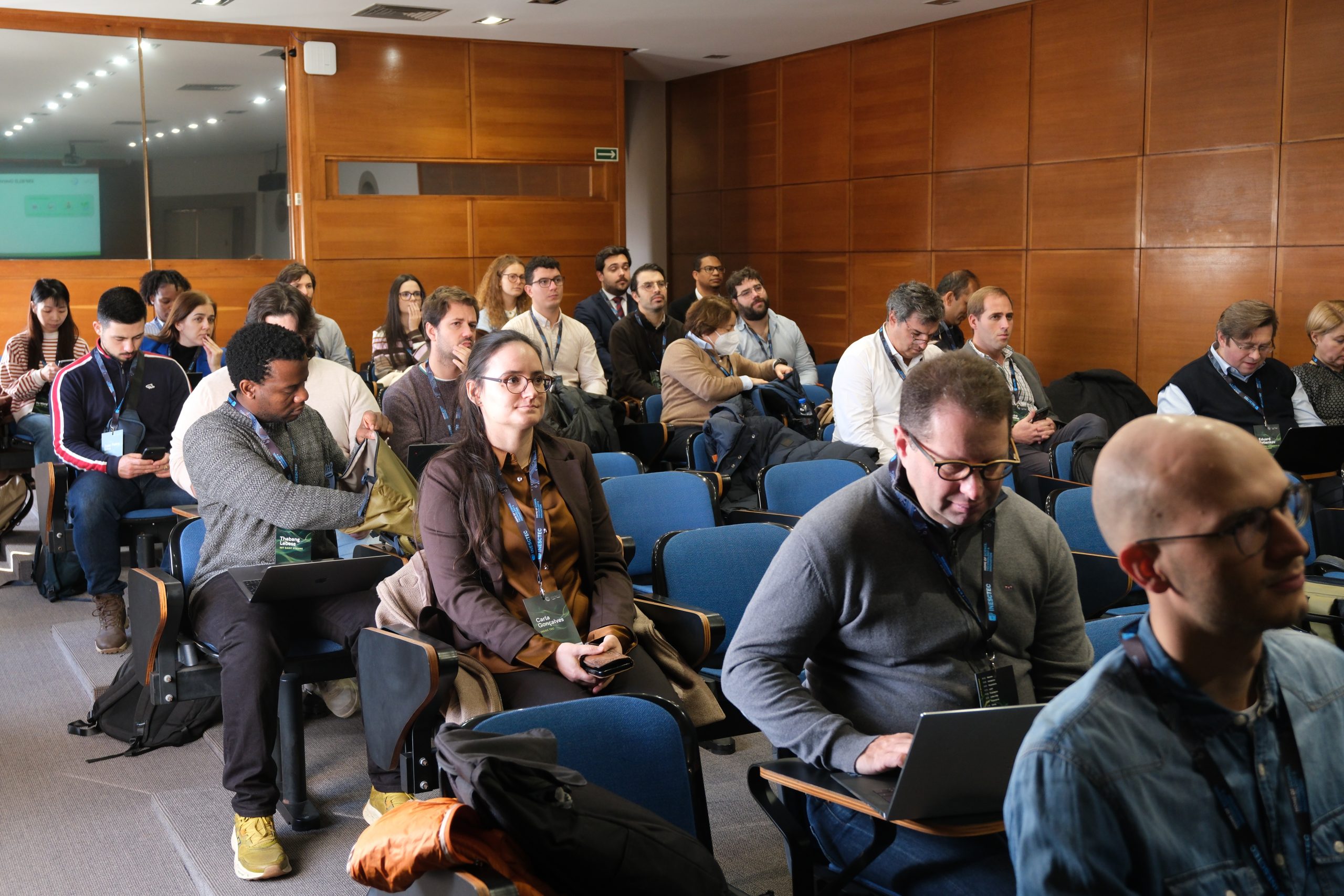
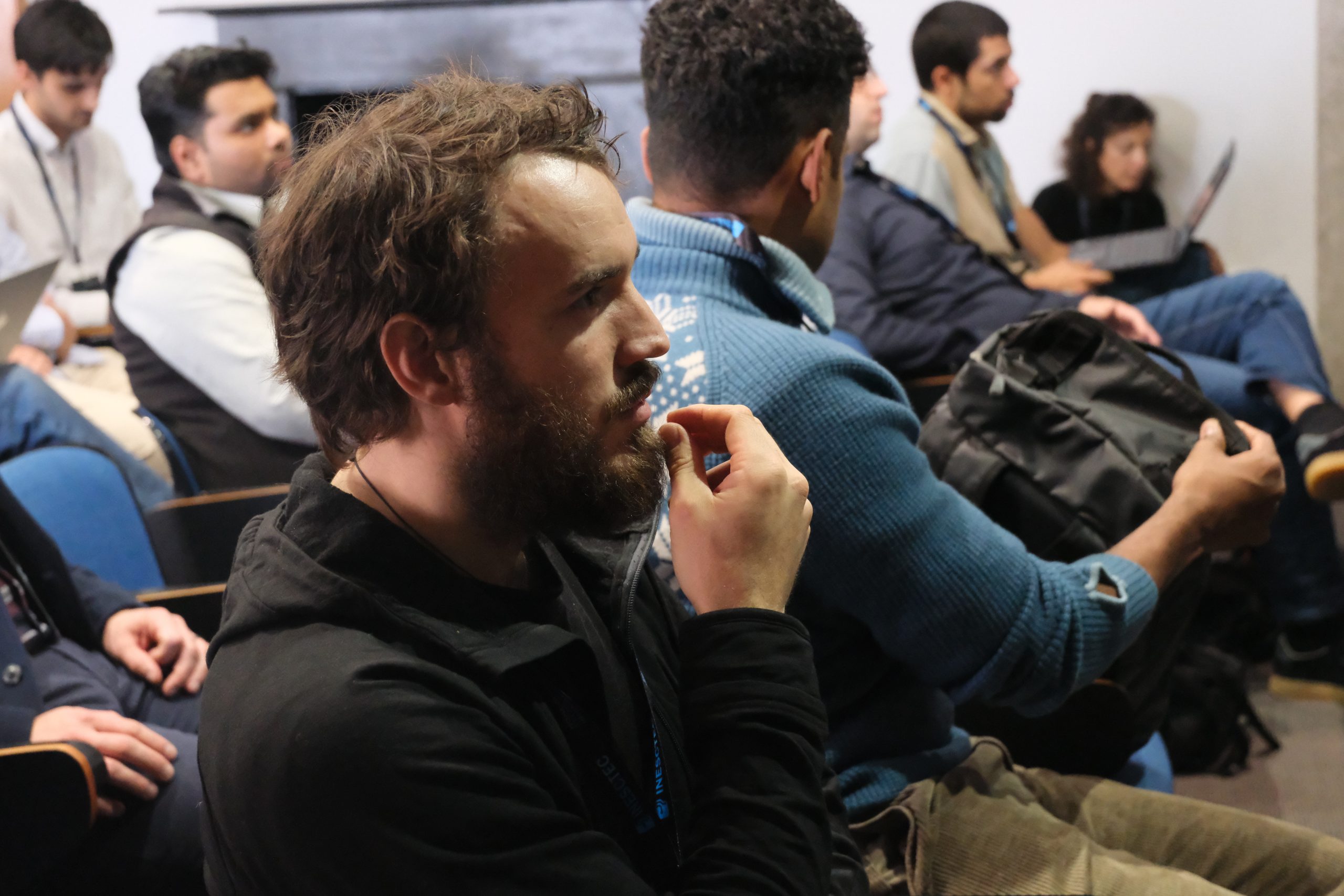
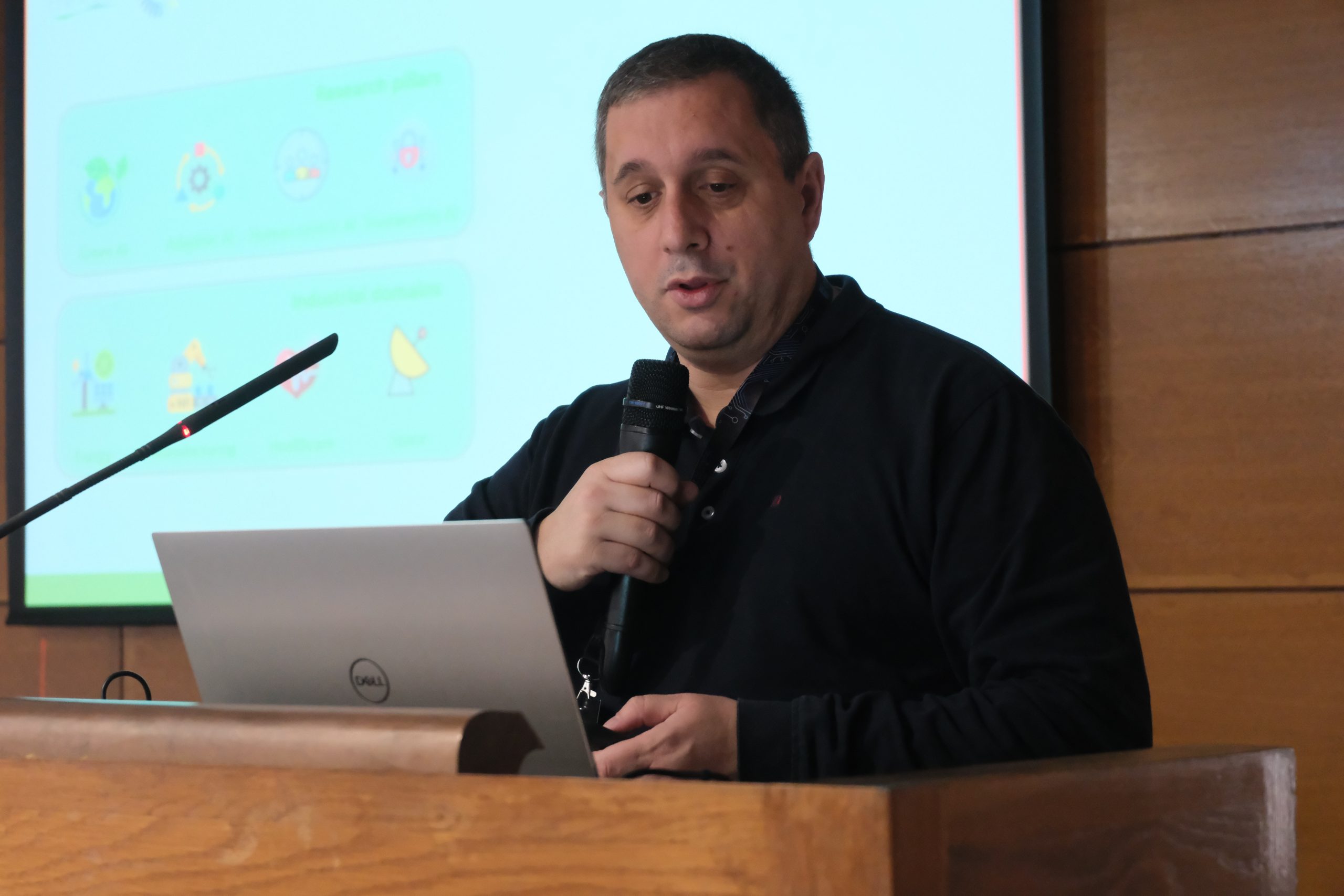
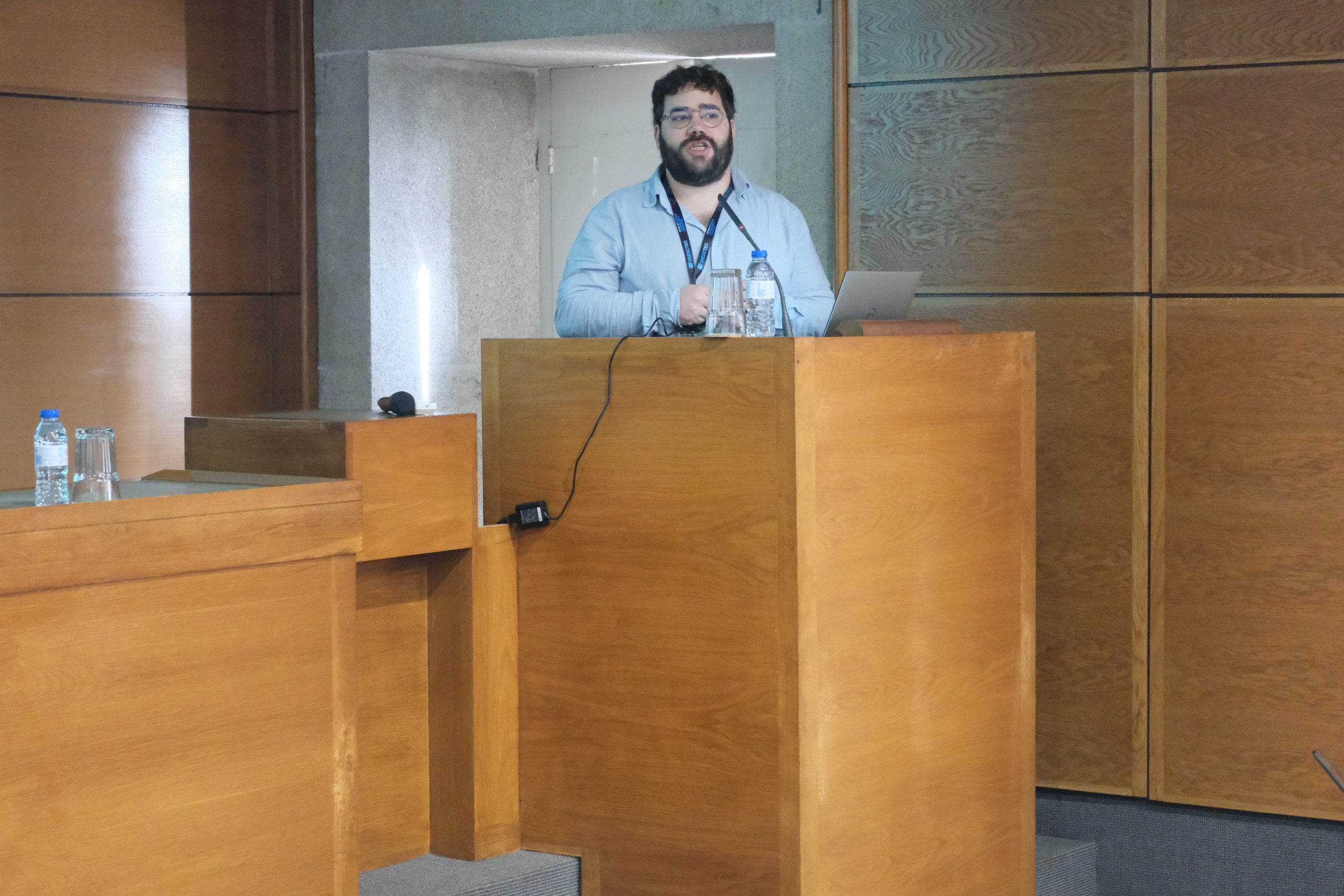
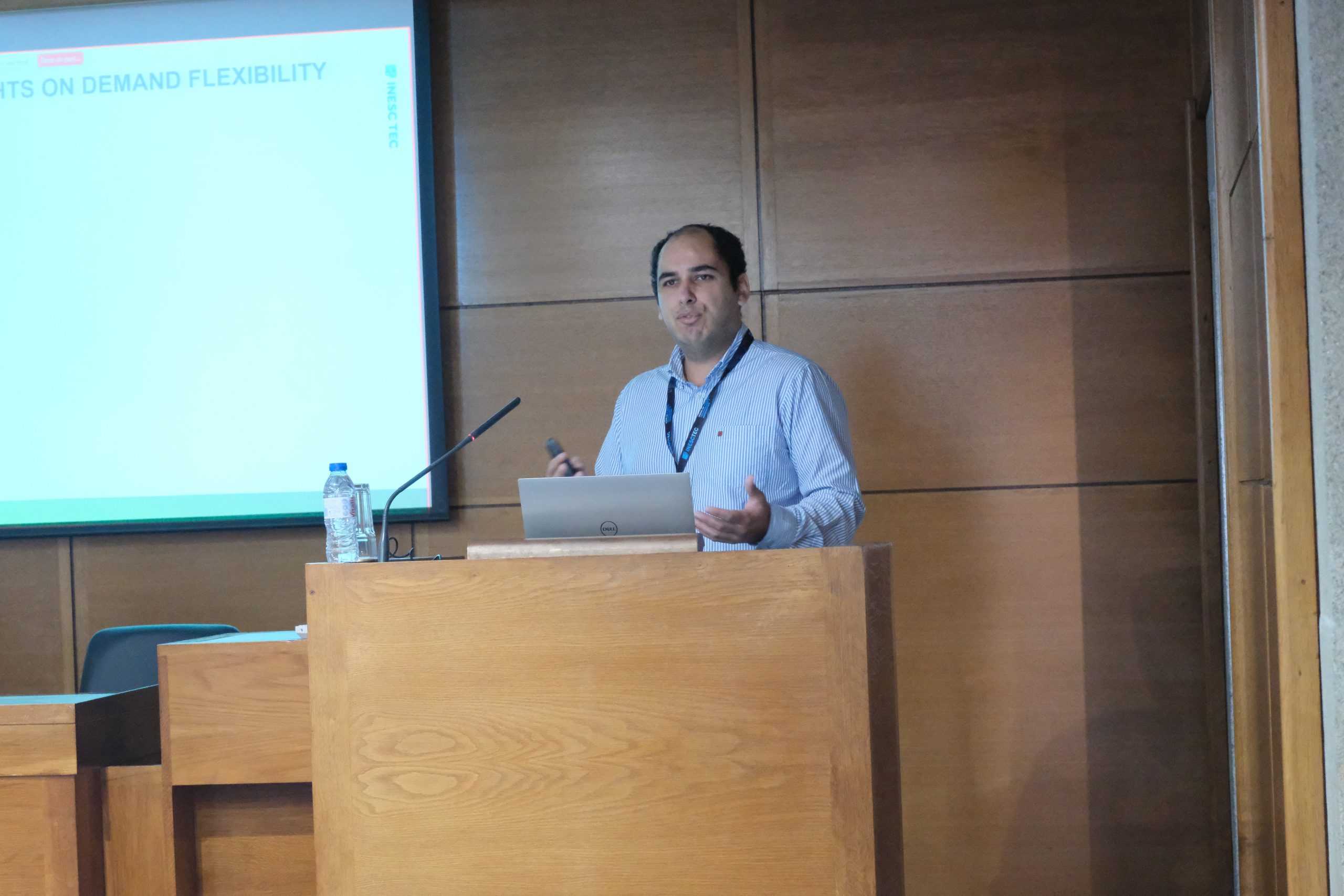
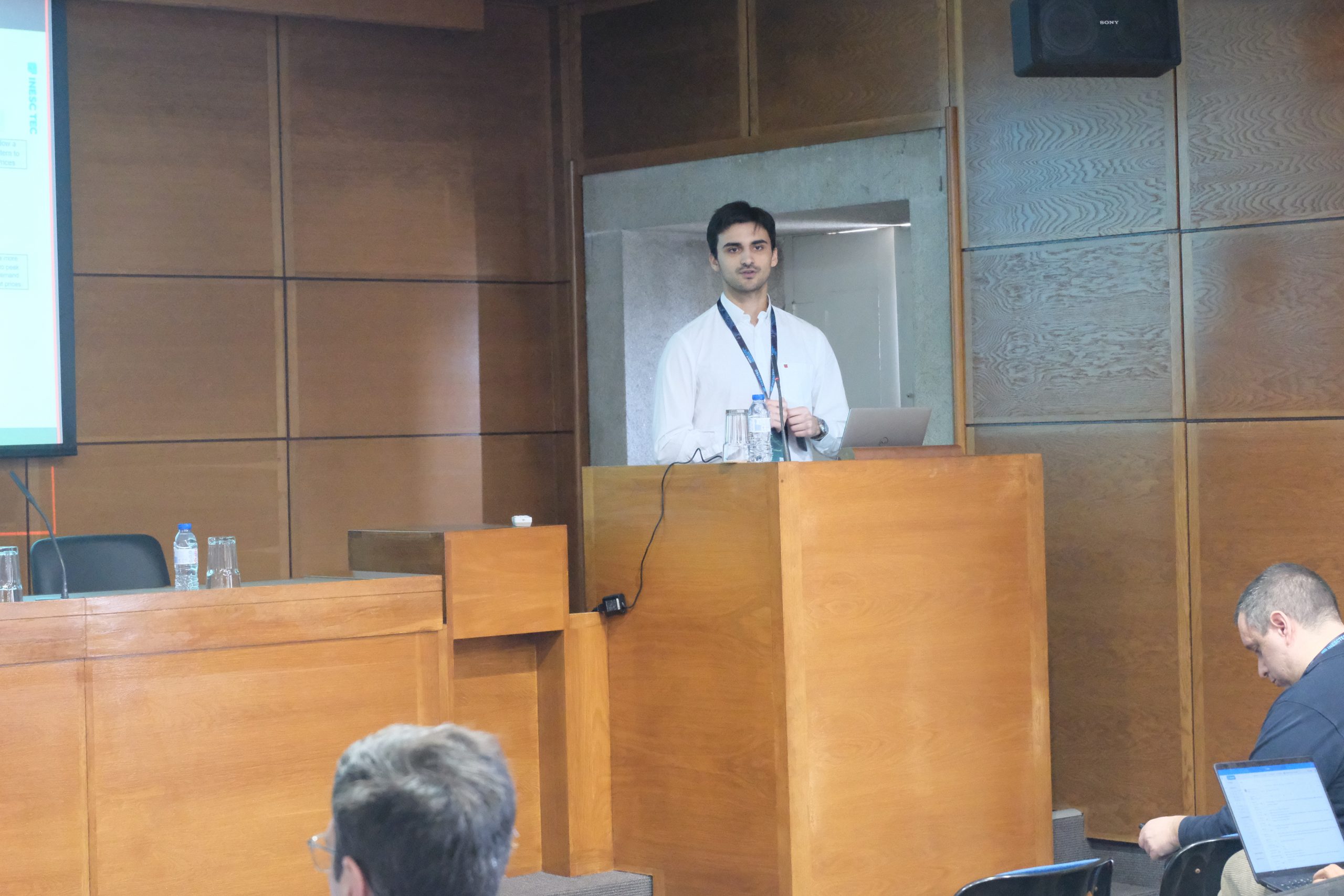
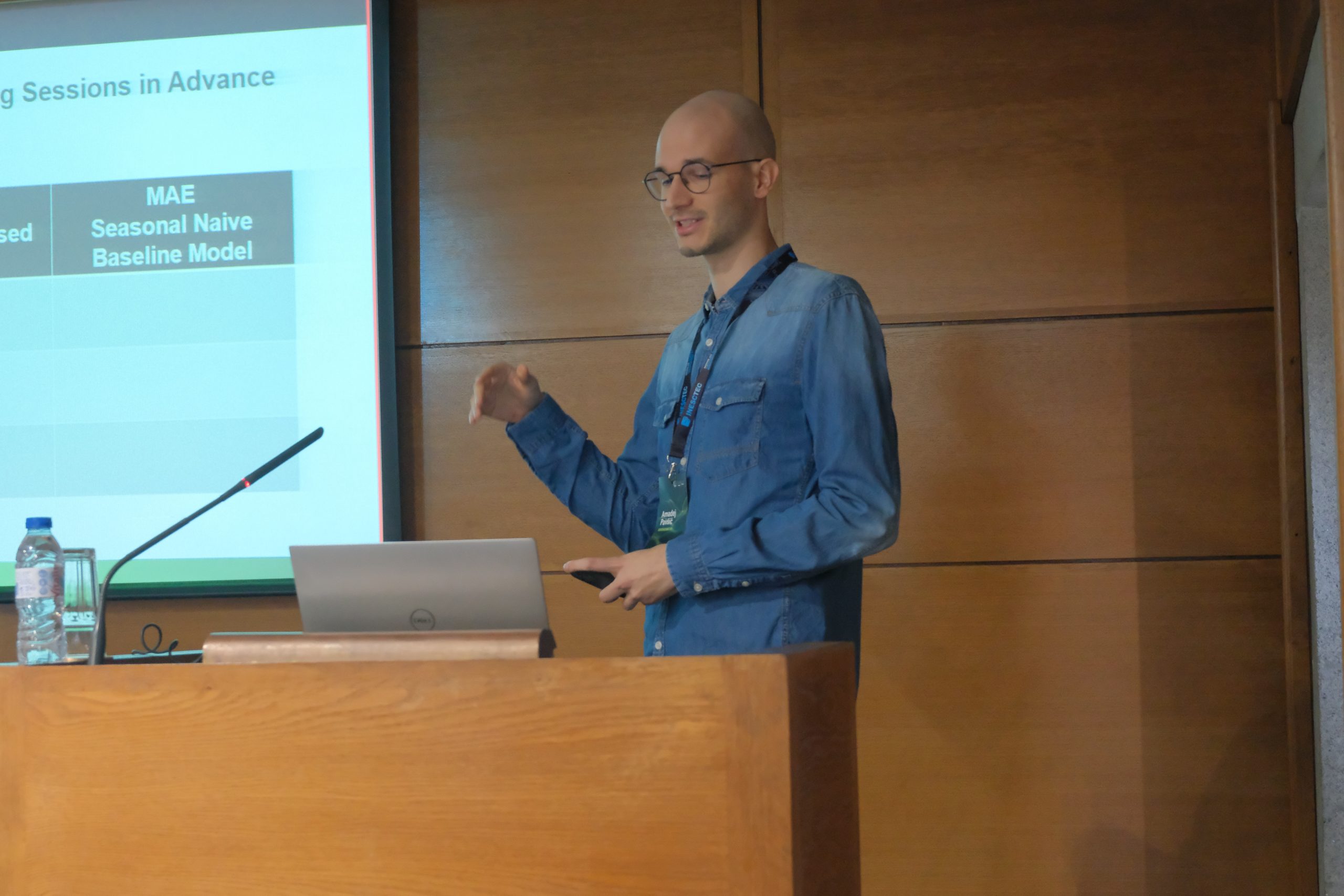
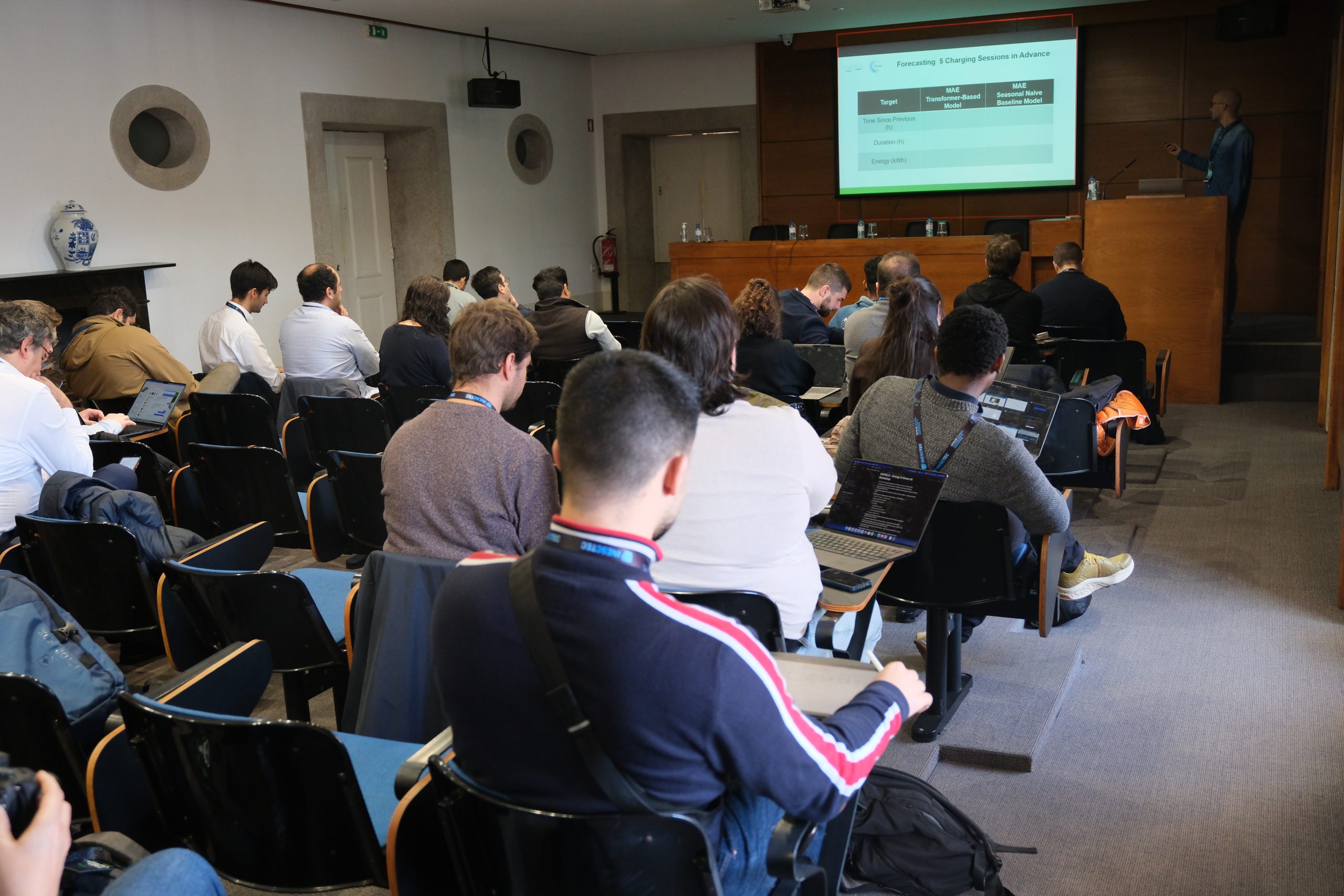

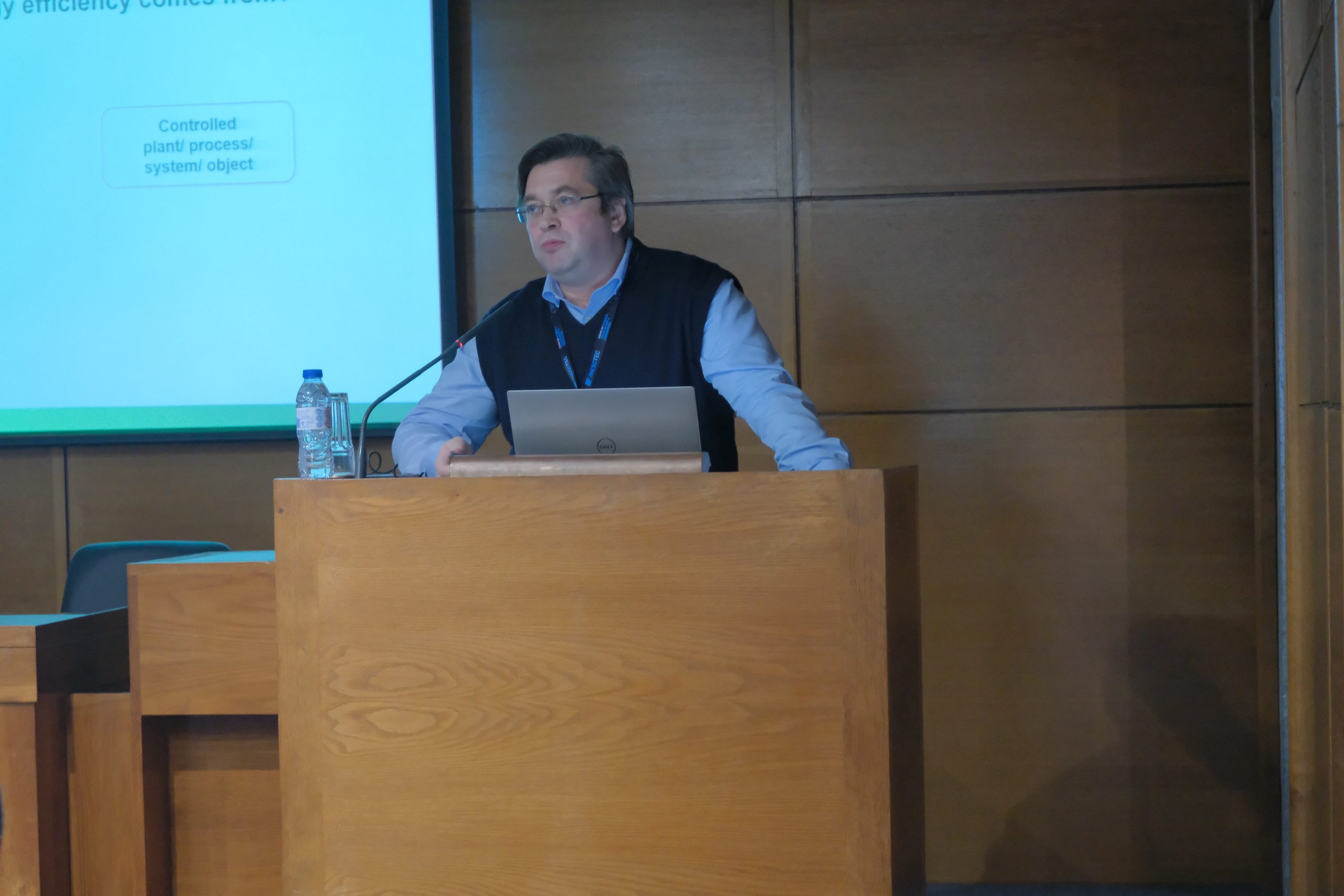




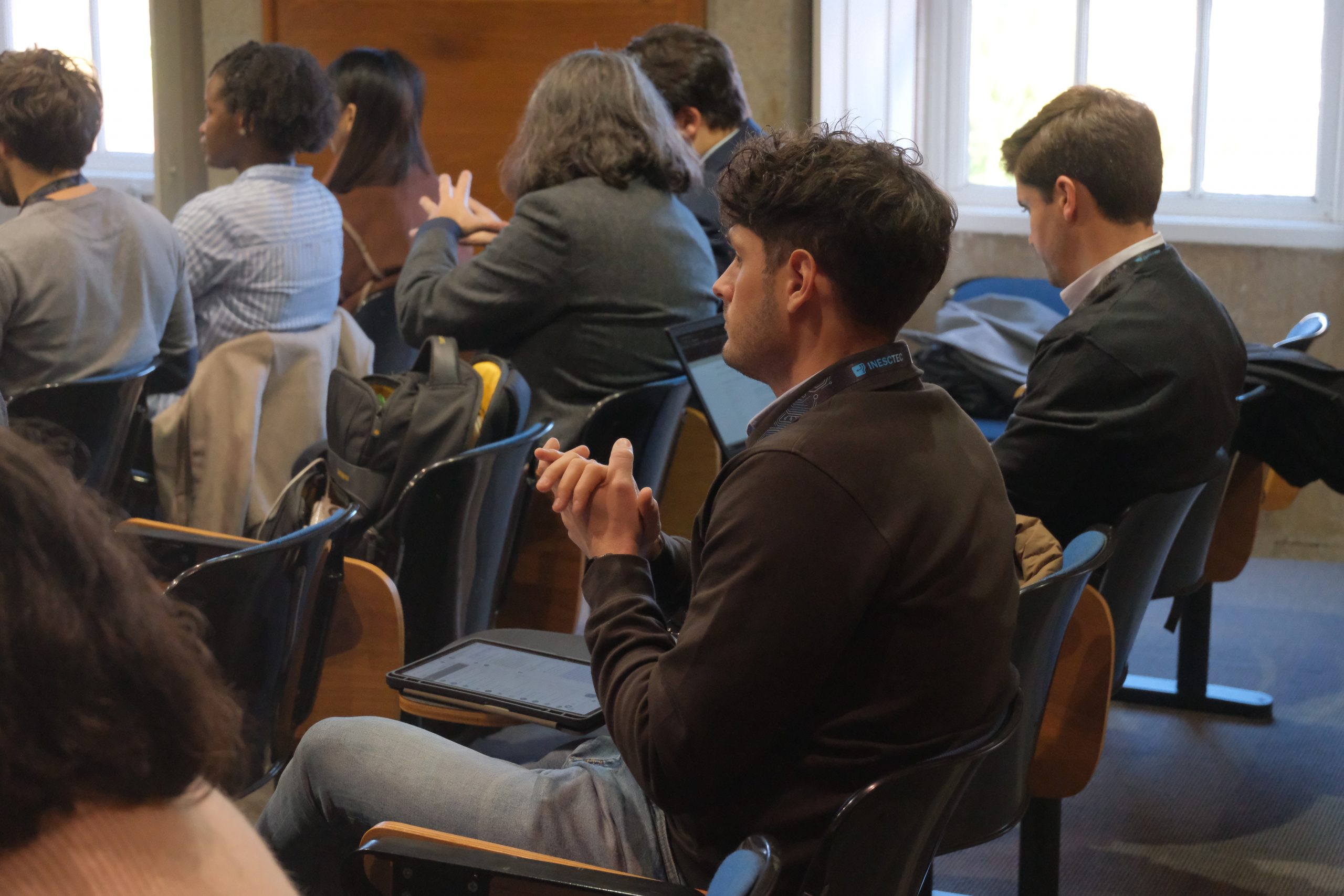

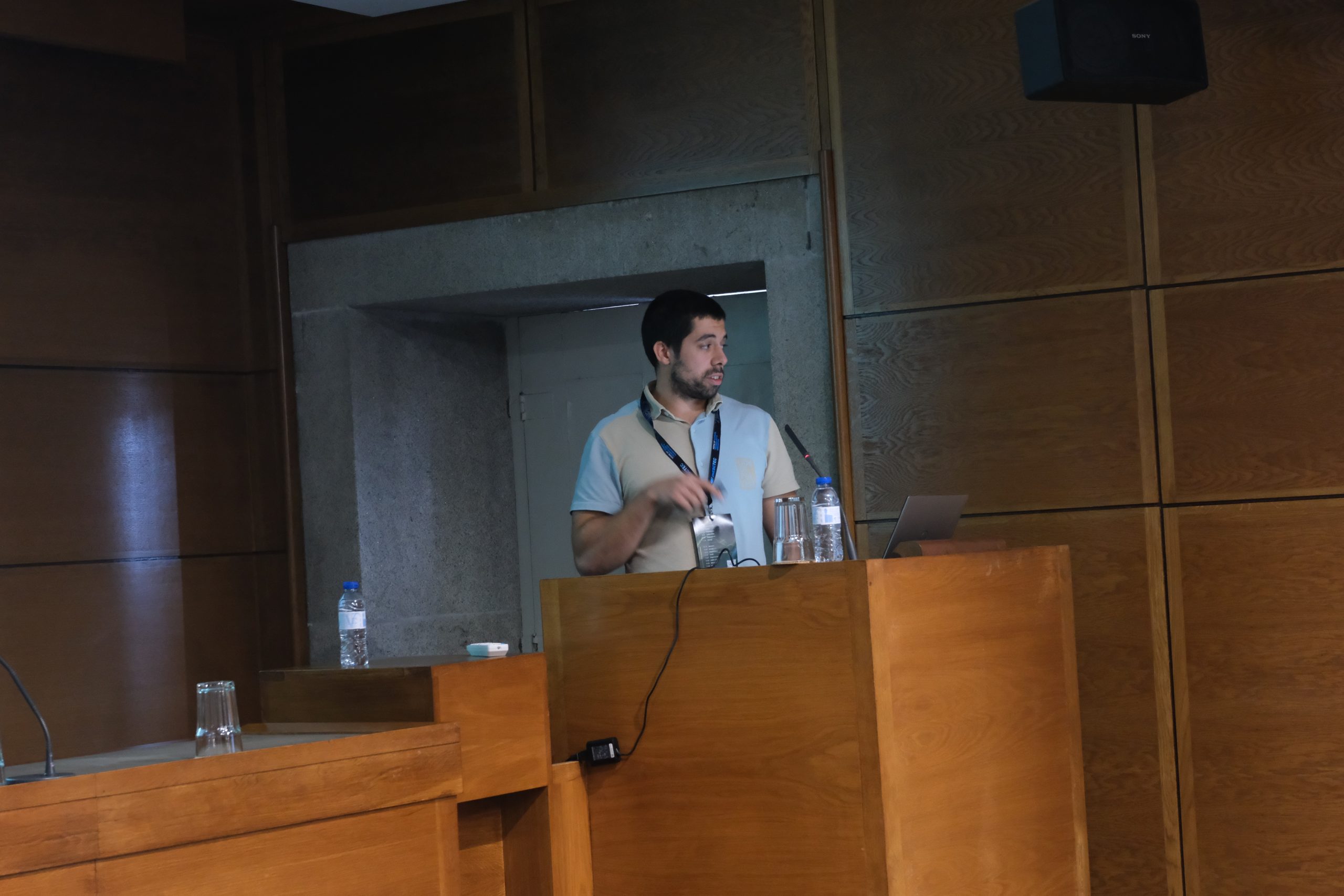
The second day centred on the Green AI pillar, dedicated to the environmental impact of AI itself and ways to make models and computational infrastructures more efficient. Discussions once again gathered international experts from institutions such as TU Dortmund, Telenor, PREDICT, SINTEF, Özyeğin University, Universidad Complutense de Madrid, IMT Atlantique, and Know Center. They provided insights into sustainable AI through meta-learning and new labelling techniques, life-cycle analysis of AI operations, physics-informed optimisation approaches, advanced anomaly detection methods, real-time energy management strategies, energy consumption of large-scale models, the environmental impact of AI hardware throughout its lifecycle, and ways to combine model training with the availability of renewable energy.
The event concluded with a World Café session dedicated to the future of Green AI & Energy and the preparation of the ENFIELD White Paper, allowing participants to consolidate contributions and collect perspectives on the challenges and priorities that will shape the next steps of the project.
From Porto to the world, another step forward in defining Europe’s digital and energy future.
The researcher mentioned in this news piece is associated with INESC TEC
 News, current topics, curiosities and so much more about INESC TEC and its community!
