


The EnSafe project (Enhancing Environmental Protection: Anomaly Detection in Waste Transportation using Network Science) – focusing on the development of Artificial Intelligence-based solutions to tackle environmental crimes – has now come to an end. It is now possible to detect anomalies and possible fraud in waste transportation. Integrated into the national strategy to eliminate environmental crimes, the project was funded by the Foundation for Science and Technology (FCT).
Over the course of a year, INESC TEC researchers applied data science and AI to reinforce environmental protection. The initiative focused on records of the eGAR system – Electronic Waste Tracking Declarations. The system was treated by the scientists as a complex network of interactions between producing companies, carriers and waste management operators. Thanks to this method, science went beyond a mere one-off data analysis.
“Because of the methodology we used, we were able to identify global behaviour patterns, recurrent relationships and temporal dynamics that are difficult to detect using traditional methods,” explained João Gama, INESC TEC researcher and AI expert.
INESC TEC’s contribution was essential to the development of new techniques capable of detecting anomalies in complex networks, based on machine learning. According to the researcher, the solutions now available make it possible “to flag inconsistencies, omissions and atypical behaviour in waste flows, paving the way for a more efficient and better-informed analysis by supervisory authorities.”
The results achieved by EnSafe stirred great interest from the Inspectorate‑General for Agriculture, the Sea, the Environment and Spatial Planning (IGAMAOT), a partner in this project, not only because of the innovative nature of the approaches and methodologies used, but also due to the practical applicability of the solutions.
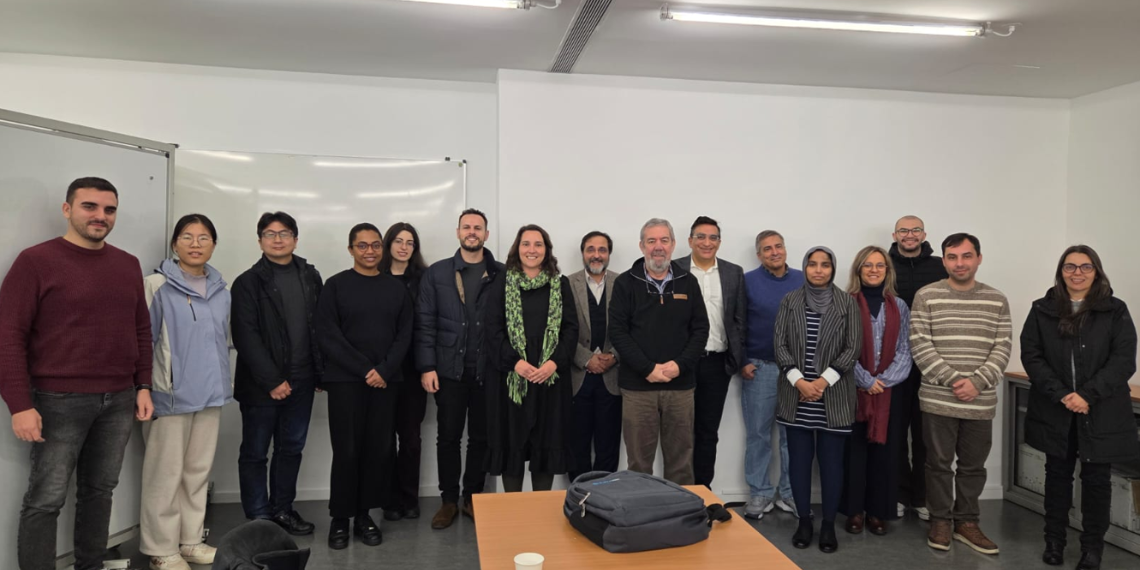
This interest became clear at the project’s final meeting, held in January at INESC TEC’s headquarters, which brought together the Institute’s researchers, IGAMAOT technicians and two leading international consultants, for a moment of analysis and discussion of the results obtained.
“At the end of the project, we all agreed to continue the work carried out, with the aim of deepening and expanding the solutions developed, consolidating the use of AI as a tool to support the fight against environmental crimes in waste transportation,” said João Gama.
At scientific and academic level, the EnSafe project was also successful, leading to scientific publications, presentations at international conferences, master’s theses and workshops.
 News, current topics, curiosities and so much more about INESC TEC and its community!
