


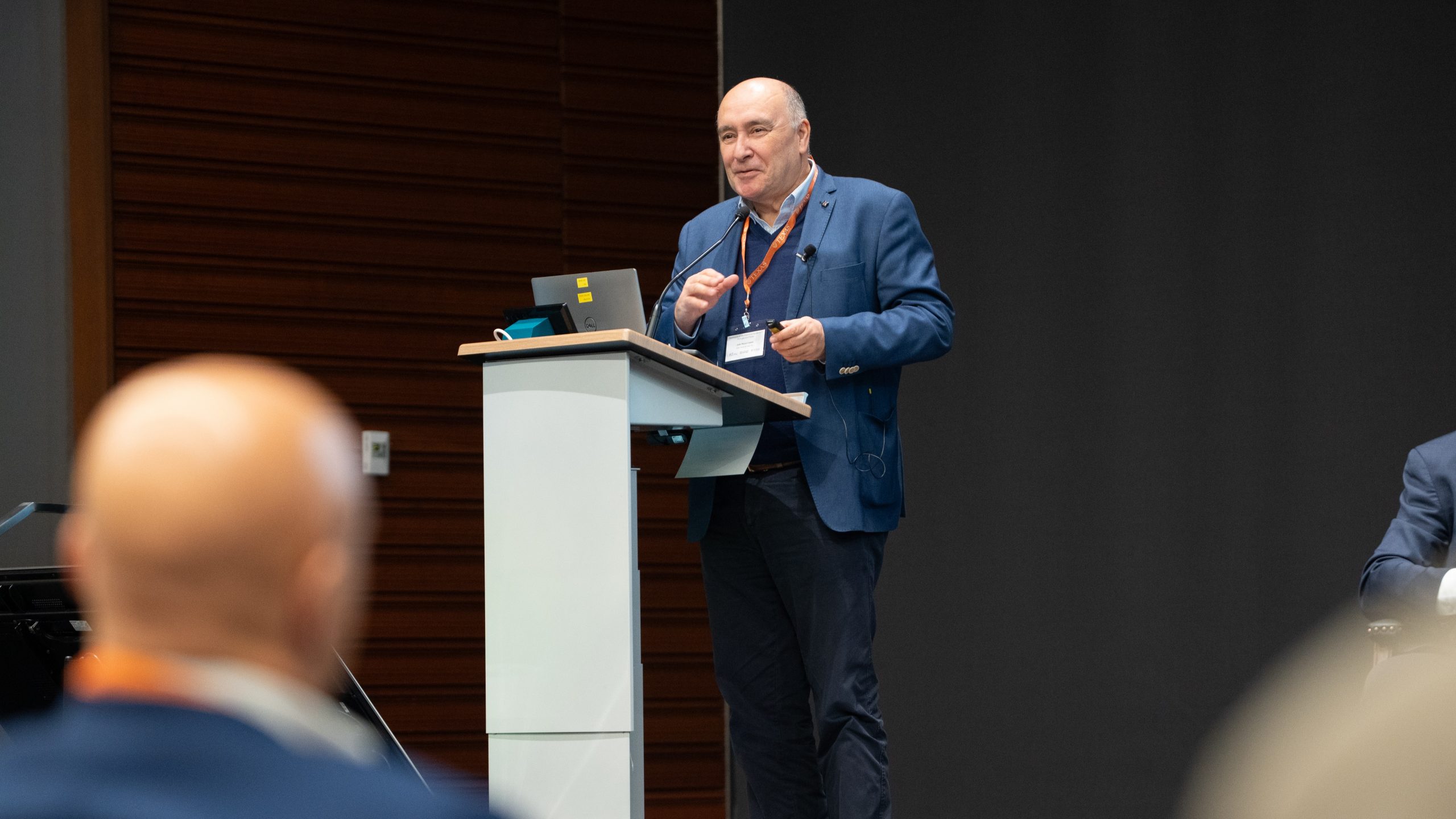
Although separated by an ocean, there are several matters that bring the electrical systems of the two territories closer together. A group of national experts, including researchers from INESC TEC, travelled to the University of Texas at Austin (UT Austin) to discuss grid stability and system resilience – within the scope of an initiative organised by the UT Austin Portugal Programme. The Colloquium The Resilience of the Electrical Systems in Portugal and Texas also featured Helena Canhão, Secretary of State for Science and Innovation.
Over two days, three main themes were discussed: infrastructure resilience and emergency response readiness; system stability and security; and the future and strategic coordination. The goal was to promote collaboration between Portugal and Texas in the field of energy resilience, drawing on lessons learned, e.g., from this year’s Iberian blackout, to work towards a strategy of resilience and transatlantic cooperation based on science and technology.
“The electrical systems of Portugal and Texas share some similar traits: they incorporate large volumes of electricity generation from renewable sources and have certain vulnerabilities regarding their interconnections with neighbouring grids. As a result, the security of their electrical systems needs to be carefully planned and monitored,” explained João Peças Lopes.
According to the Director of INESC TEC, who shared the scientific organisation of the Colloquium with Brian Korgel, Director of the UT Austin Energy Institute and Head of the Clean Energy area of the UT Austin Portugal Programme, the blackout that took place in April this year drew attention to several issues associated with the management of electrical grids. “It also reinforced the need to promote complex studies that make it possible – with the support of science and technology – to find innovative tools and solutions that ensure operational security and the resilience of electrical systems when large volumes of electricity generation from renewable sources are integrated,” he added.
In particular, the event addressed topics like observability and controllability of the electrical system, dynamic voltage control, coordination between the transmission system operator and the distribution system operator, and new system services.
In addition, the participants also discussed future operating scenarios involving new electrical loads, such as data centres, and new large-scale industrial loads. “The integration of large volumes of electricity generation from renewable energies connected to the grid through power electronic converters, together with the widespread use of energy storage systems, involves analysing large volumes of data and leads to the development of new operational management tools,” said João Peças Lopes.
To address the needs of the electrical sector industry, the Director of INESC TEC emphasised the importance of collaboration between institutions in the scientific and technological systems of Portugal and the United States of America – in this case UT Austin, the Massachusetts Institute of Technology (MIT) and also Carnegie Mellon University (CMU), to support the studies and research work that will be required.
João Peças Lopes, in addition to being co-chair of the Colloquium, also took part in a round table on grid resilience and a panel on system security and stability. INESC TEC researcher Bernardo Silva also joined a panel dedicated to infrastructure resilience and emergency response, focusing on physical threats like terrorism or extreme weather conditions.
Rui Oliveira, Director of INESC TEC and Co-Director of the UT Austin Portugal Programme, was also present at the event, moderating the round table on grid resilience, specifically addressing collaboration between industry and academia and transatlantic cooperation. José Manuel Mendonça, President Emeritus of INESC TEC and Coordinator of the Mission Structure for International Partnerships, attended the event as well.
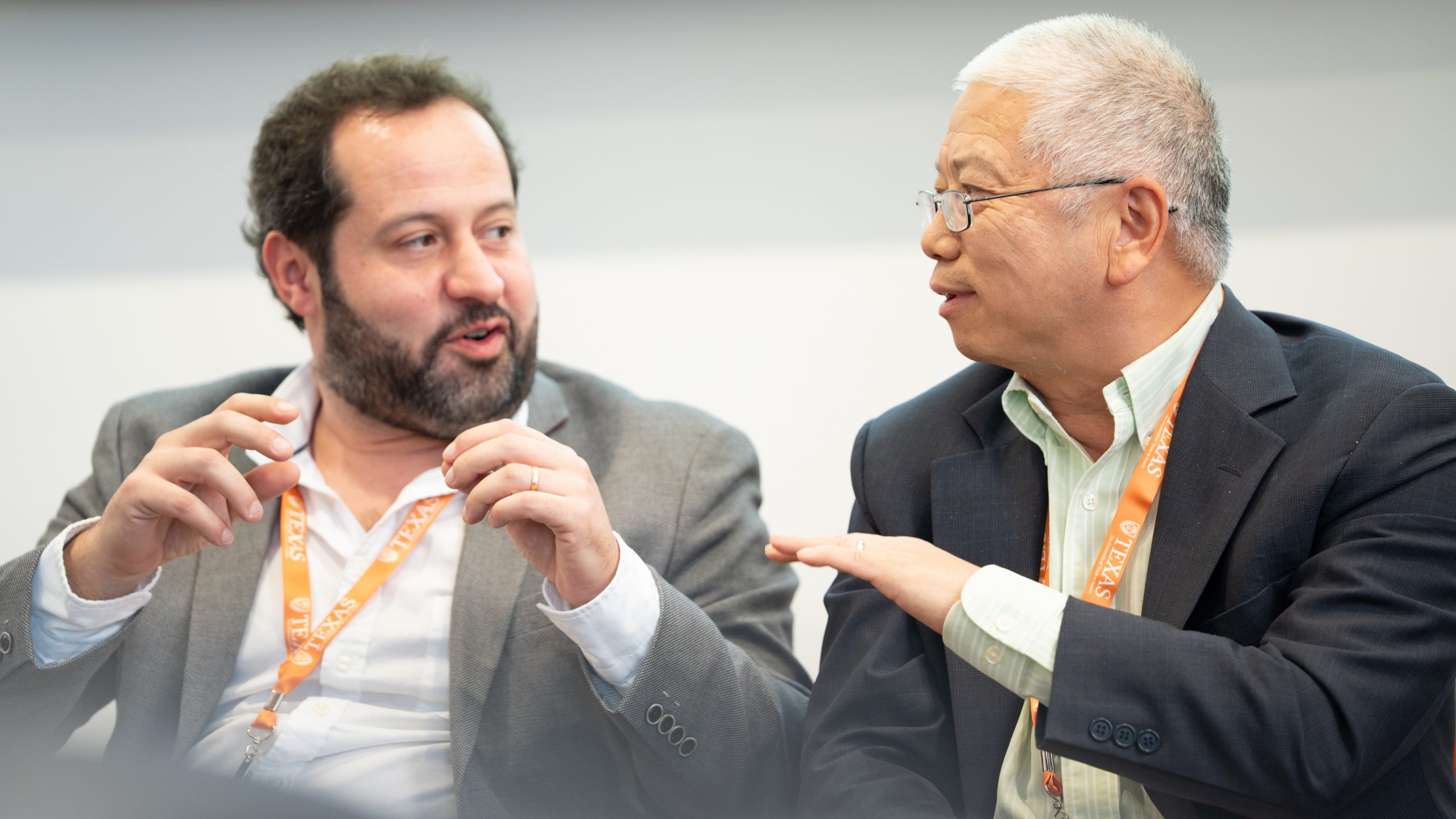
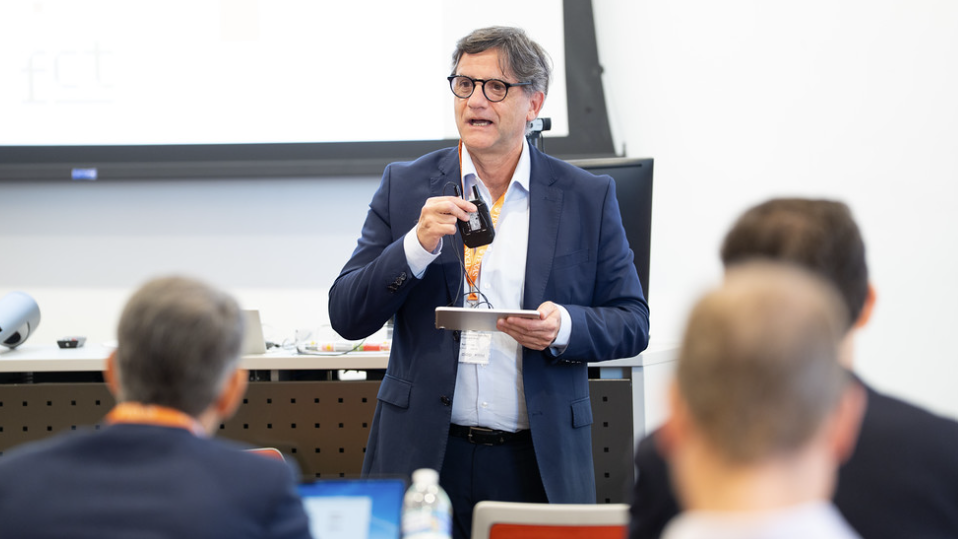
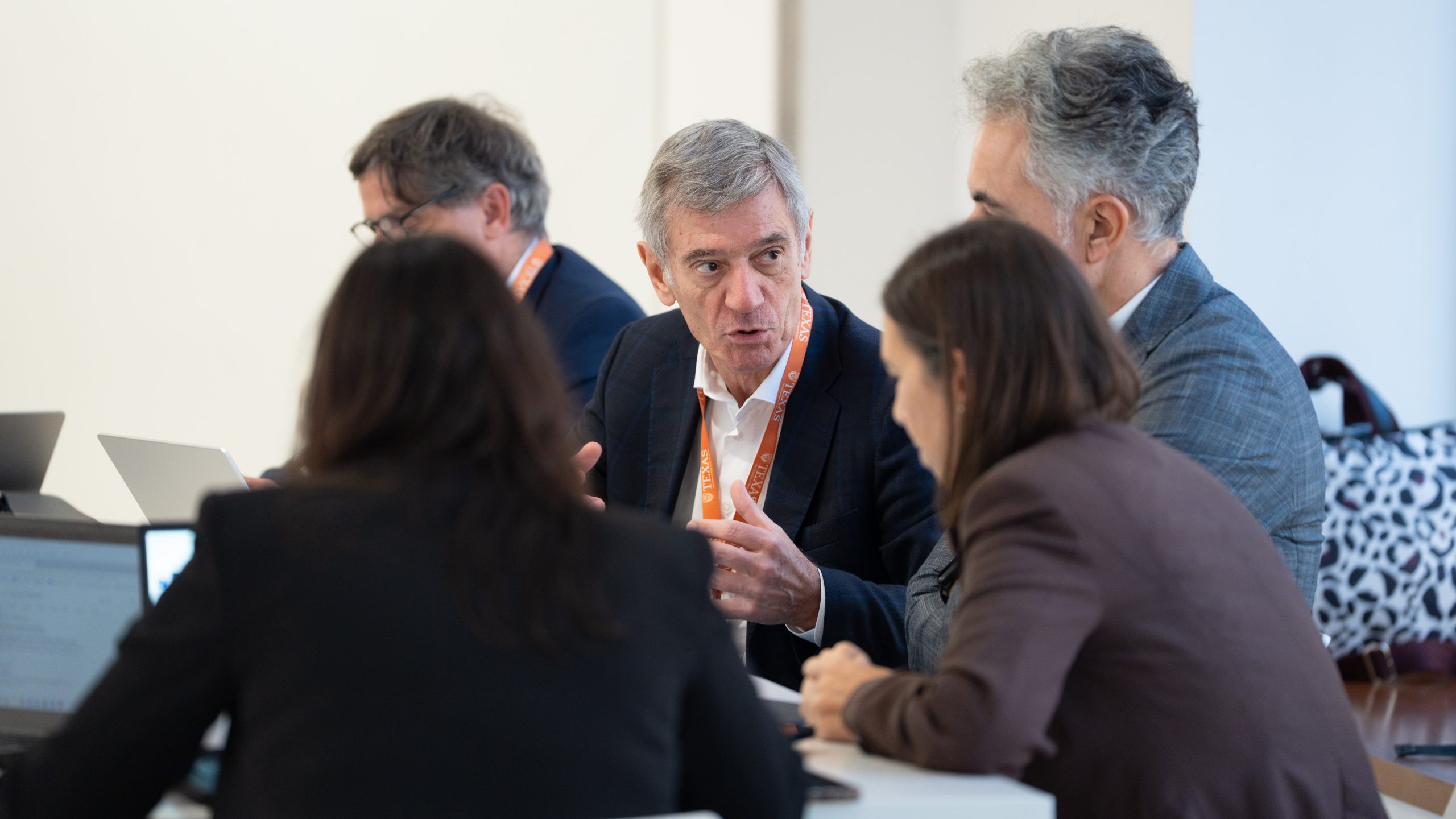
Helena Canhão, Secretary of State for Science and Innovation, attended the Colloquium, which also included representatives from other research centres, universities and national companies, namely the Foundation for Science and Technology (FCT), the National Laboratory of Energy and Geology (LNEG), the National Innovation Agency (ANI), EDP, Infraventus, NOVA University of Lisbon, the Lisbon School of Engineering (ISEL), E-Redes, Instituto Superior Técnico (IST), the University of Minho, the University of Aveiro, Nova School of Business and Economics and MIT.
It is worth mentioning that the Portuguese Government renewed the partnerships with UT Austin, MIT and CMU until 2030; in this new phase, the UT Austin Portugal Programme includes a new area: Clean Energy.
The researchers mentioned in this news piece are associated with INESC TEC, the Faculty of Engineering of the University of Porto and U.Minho
Photos Credits: UT Austin
 News, current topics, curiosities and so much more about INESC TEC and its community!
