


Nowadays, science produces data in ever-increasing volumes and complexity, yet their value remains far from fully realised. The real challenge lies in how these data are organised, documented, preserved and, above all, reused. It is between production and impact that research data management becomes truly relevant.
In this context, a shift is underway in how the scientific community perceives data. Once considered a by-product of research, they are now recognised as a critical asset. This transformation is closely linked to the Open Science movement and to the growing expectation that data should be not only accessible, but also understandable and reusable. The FAIR principles (Findable, Accessible, Interoperable, Reusable) play a central role in this process, reflecting European priorities for a more open, transparent and reusable science.
At INESC TEC, this path has been developed in a structured way, with increasing visibility. The FAIRway project, led by INESC TEC in partnership with CIIMAR and BIOPOLIS, stands out as a key contribution to this evolution, strengthening institutional capacities in research data management and supporting alignment with the National Programme for Open Science and Open Research Data. Beyond consolidating internal practices, FAIRway has positioned INESC TEC as a relevant actor in this field, recognised as a centre for research data management and actively engaged in the national network of data stewards [1]. This role is reflected not only in the adoption of good practices, but also in the ability to contribute to their definition and dissemination.
The experience of the project confirmed that data management is not merely a technological issue, but fundamentally a matter of practices. The diversity of approaches within the scientific community, often based on individual and informal initiatives, highlights the need for clearer institutional frameworks, continuous training, and support tools throughout the data lifecycle. FAIRway contributed to building capacity among researchers and research support professionals through reusable training resources, as well as to the development of guidelines that comply with the FAIR principles, including a proposal for an institutional policy on open data. One of the key outcomes was the development of a roadmap for Data Management Plans (DMPs), proposing a flexible, context-oriented approach based on decision points throughout the data lifecycle.
Within this framework, INESC TEC – through an initiative of the Management Support Service, and the crucial work carried out by Inês Sousa – is participating in the pilot phase of the POLEN Blueprint, a platform promoted by the Portuguese Foundation for Science and Technology (FCT) to support the design and management of DMPs. The platform aims to harmonise plans with funders’ requirements, support collaborative drafting and review processes, promoting greater consistency across projects and institutional practices, and favouring interoperability between projects and data.
At the same time, the connection between open data and public policy has been gaining relevance within public administration. In this sense, INESC TEC organised one of the sessions in a webinar series on open data promoted by the Network of Planning and Foresight Services of Public Administration (REPLAN). In that session, INESC TEC’s experience was presented from the perspective of the data steward role, together with Joana Almodovar, Head of the Foresight and Public Policy Office, contributing to the discussion on the importance of data in producing evidence to support the design and evaluation of public policies. The key message was clear: the value of data lies not only in their availability, but in how they are prepared throughout their lifecycle, in line with the FAIR principles, enabling their reuse in both scientific and policy contexts.
Ultimately, promoting open research data requires balancing data sharing and reuse with the need to ensure institutional models that guarantee their quality, continuity and governance, within a framework of responsible openness. It is a continuous effort of connection between researchers and infrastructures, individual practices and institutional strategies, built through ongoing adjustment, learning and collaboration. Initiatives like FAIRway and the POLEN Blueprint show that this path is built collectively, through coordination and shared vision. This is where true value lies: not only in the data we manage, but in how, together, we give them meaning and enable their reuse.
[1] * data steward: a professional responsible for the management, quality and governance of research data throughout its lifecycle, supporting researchers in terms of organisation, documentation, sharing and reuse, in line with principles like FAIR.
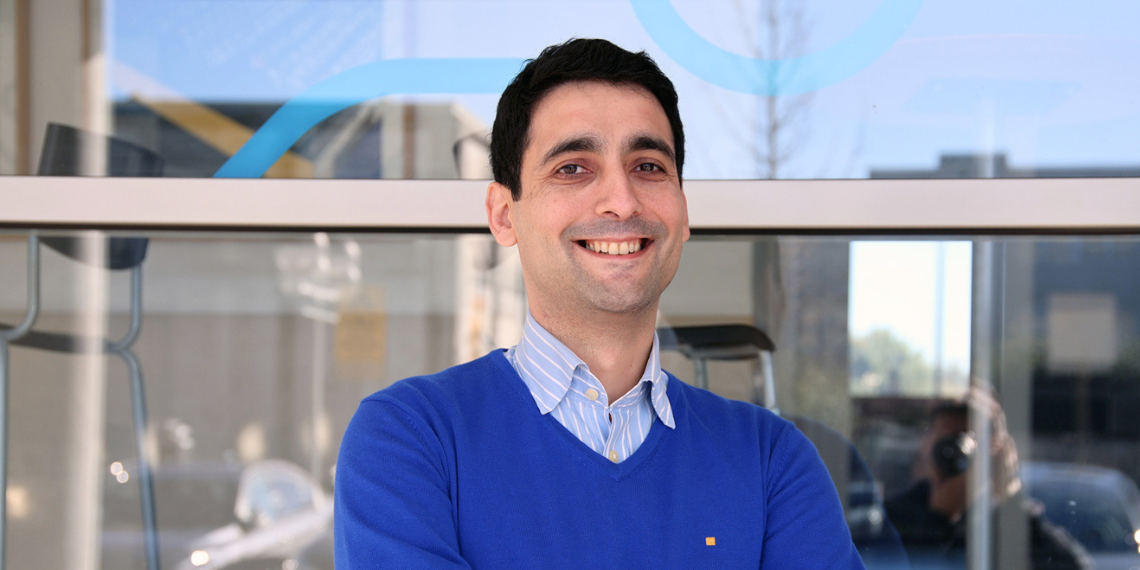
By João Aguiar Castro, Data Steward
 News, current topics, curiosities and so much more about INESC TEC and its community!
