


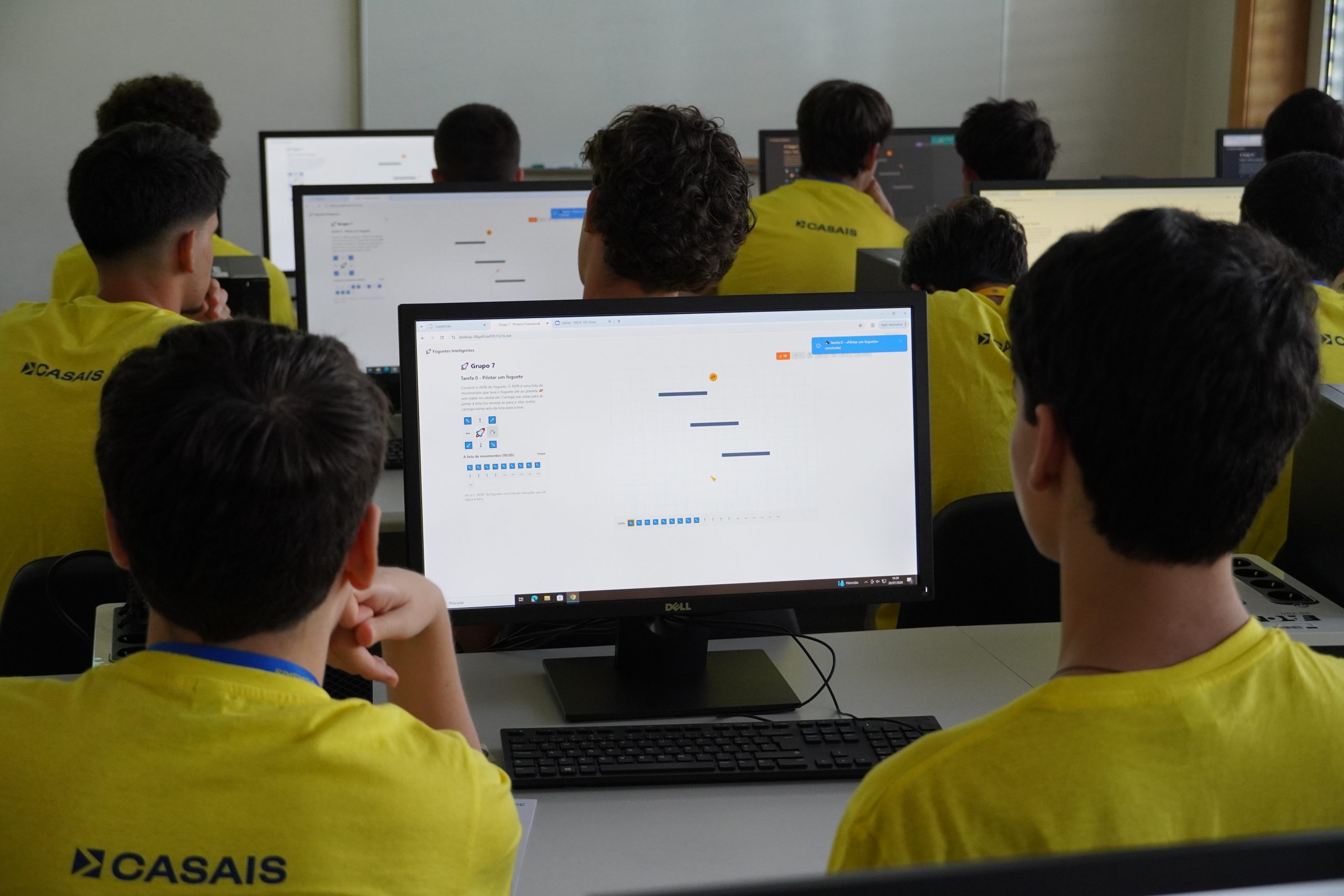
Programming, Artificial Intelligence, bioinformatics, the Internet of Things (IoT), supercomputing and quantum computing were among the topics explored by 25 high school students who took part in Computação sem Fronteiras, an action held as part of the University of Minho’s Verão no Campus programme. Organised by INESC TEC’s hub at the University of Minho, the initiative introduced participants to different areas of computing through workshops, practical challenges and hands-on activities.
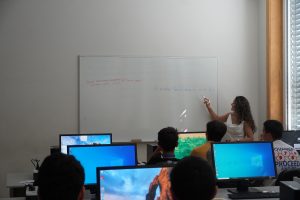
Throughout the programme, which took place from 20 to 24 July, participants experienced the world of computer science first-hand; their journey began with Python programming, where they learned fundamental concepts and applied them to solve practical problems.
The students explored the connection between computing and other fields of knowledge through workshops on bioinformatics and genetic algorithms, experimented with computational methods for analysing biological data, and discovered problem-solving techniques inspired by the processes of evolution and natural selection.
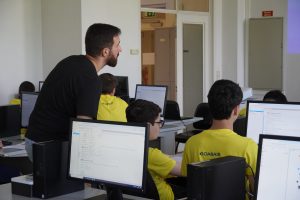
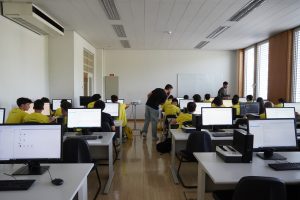
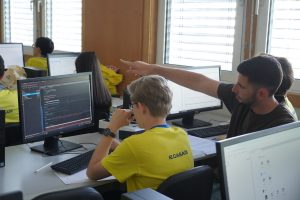
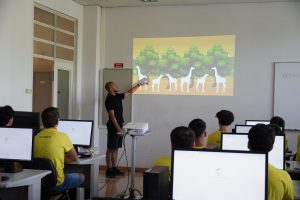
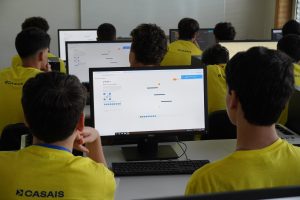
Artificial Intelligence (AI) was another of the programme’s key themes. During the workshop, participants were introduced to some of the principles underpinning these technologies and experimented with applications designed to support information analysis and problem-solving. They were also challenged to distinguish AI-generated sentences from those written by humans, an exercise that encouraged them to reflect on the opportunities, limitations and risks associated with these tools – particularly the growing difficulty of identifying AI-generated content and the importance of critical thinking when assessing information.
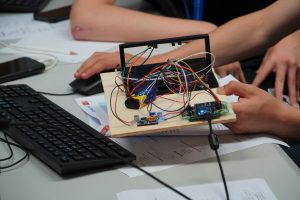
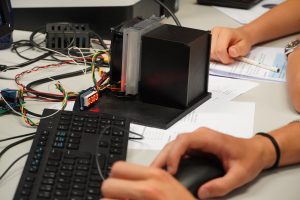
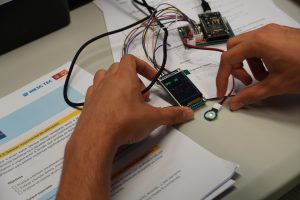
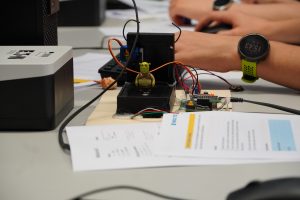
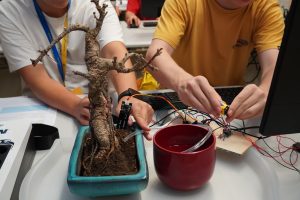
Programming also moved beyond the screen during an activity dedicated to the Internet of Things (IoT). Using sensors, electronic components and a range of connected devices, the students designed prototypes of smart home environments and explored how objects can collect data, communicate with one another and respond to their surroundings.
The programme also featured an introduction to quantum computing, a field that proposes entirely new ways of processing information, as well as a workshop on functional programming, where participants were introduced to a different approach to software development while strengthening their logical and abstract thinking skills.
“ Computação sem Fronteiras aims to show that computer science is about far more than simply using computers. It is a discipline that helps us understand problems, develop solutions and transform virtually every sector of society,” said José Nuno Oliveira, an INESC TEC researcher involved in organising the initiative and a lecturer at the School of Engineering of the University of Minho.
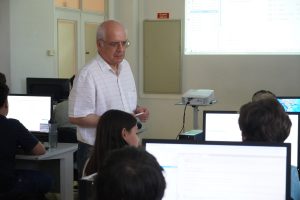
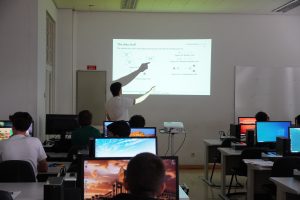
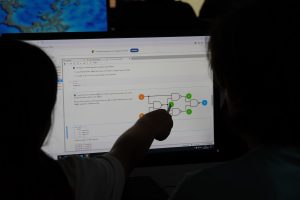
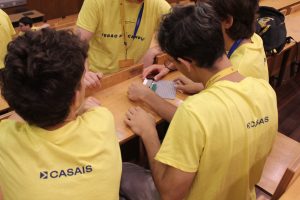
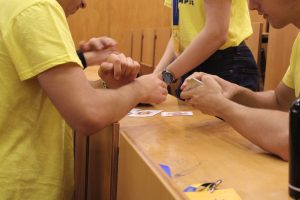
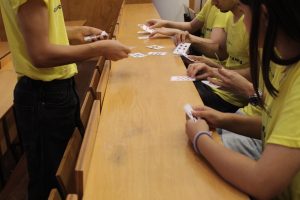
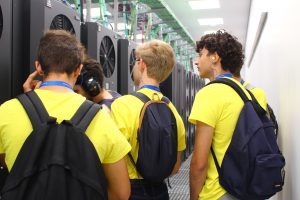
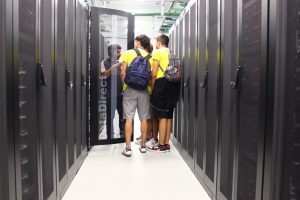
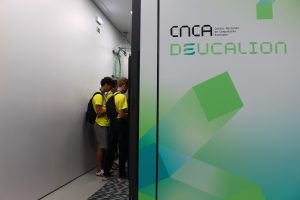
One of the highlights of the programme was the opportunity to discover the Deucalion supercomputer. Through activities involving LEGO bricks and playing cards, students explored concepts such as parallel processing, task distribution and scheduling. They also visited the data centre, where they were able to see the different components of the supercomputing infrastructure and learn about some of its real-world applications.
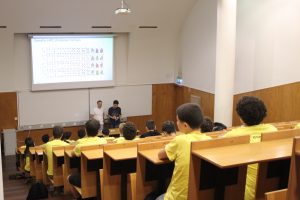
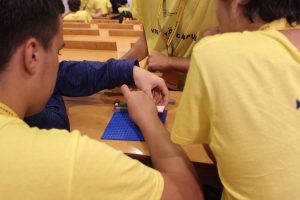
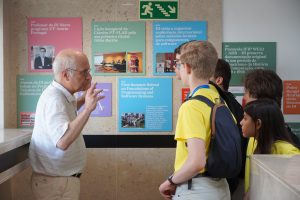
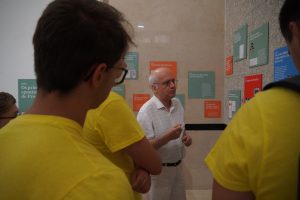
Participants also visited the Department of Informatics at the School of Engineering of the University of Minho and the exhibition Informática na UMinho: 50 Anos. The exhibition traced the evolution of computer science teaching and research over the past five decades, while also showcasing the University’s student groups and academic associations.
The exhibition served as the starting point for a round-table discussion on computer science and the education and career opportunities available in the field. In an open and informal conversation, the students asked questions, shared their perspectives and reflected on the role of computing in areas such as healthcare, industry, science and communications.
The session brought together undergraduate, master’s and PhD students, alongside lecturers and researchers, giving participants the opportunity to engage directly with people following different academic and professional paths.
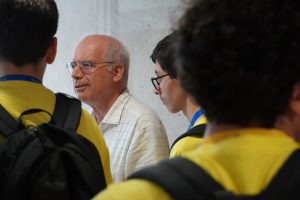
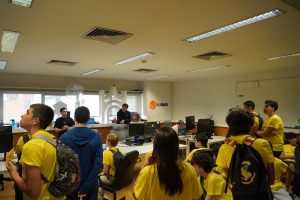
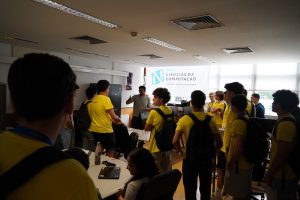
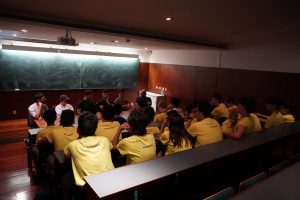
Representing INESC TEC in the initiative – which forms part of the Institute’s outreach strategy and reinforces the commitment to promoting scientific and technological culture among younger generations – were researchers Adriano Maior, Alícia Oliveira, Bruno Jardim, Bruno Pereira, João Tiago Paulo, José Nuno Oliveira, Luís Ferreira, Nuno Matos, Pedro Moreira, Pedro Peixoto, Rúben Adão and Rui Pedro Oliveira.
 News, current topics, curiosities and so much more about INESC TEC and its community!
