


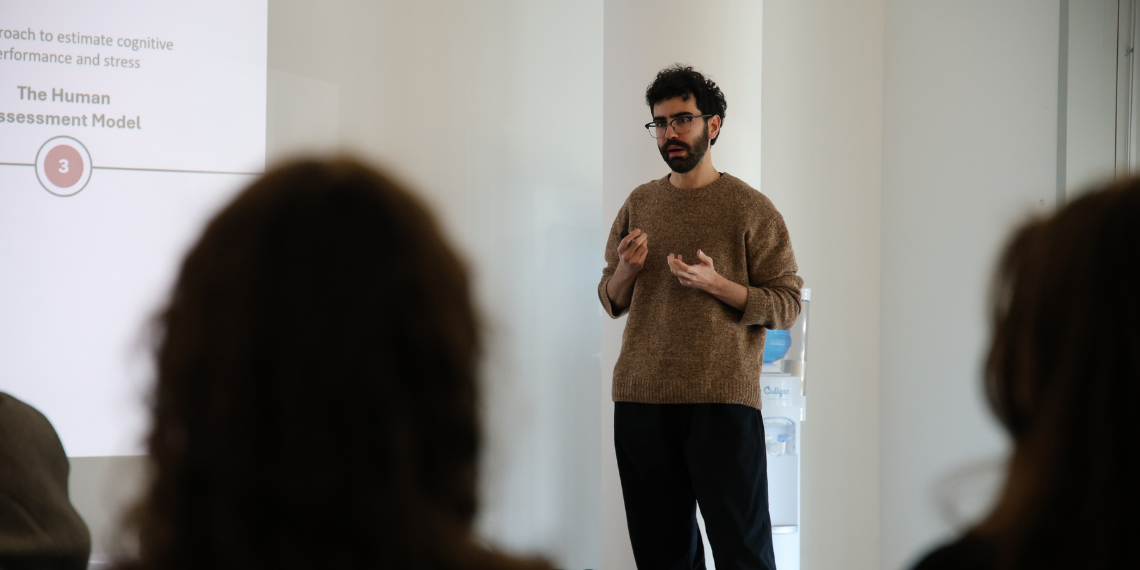
The event brought together researchers from the Department of Psychology at the Technical University of Dresden and Deutsche Bahn, the largest rail transport operator in Central Europe.
Towards boosting the collaboration between partners and exploring the application of Occupational Health research, as well as the latest developments, INESC TEC hosted a workshop that brought together a range of perspectives on the topic. Through presentations and a round-table discussion, participants examined the role of Artificial Intelligence (AI) in the development of automated and efficient tools for monitoring and supporting workers’ health, safety and performance during their working hours.
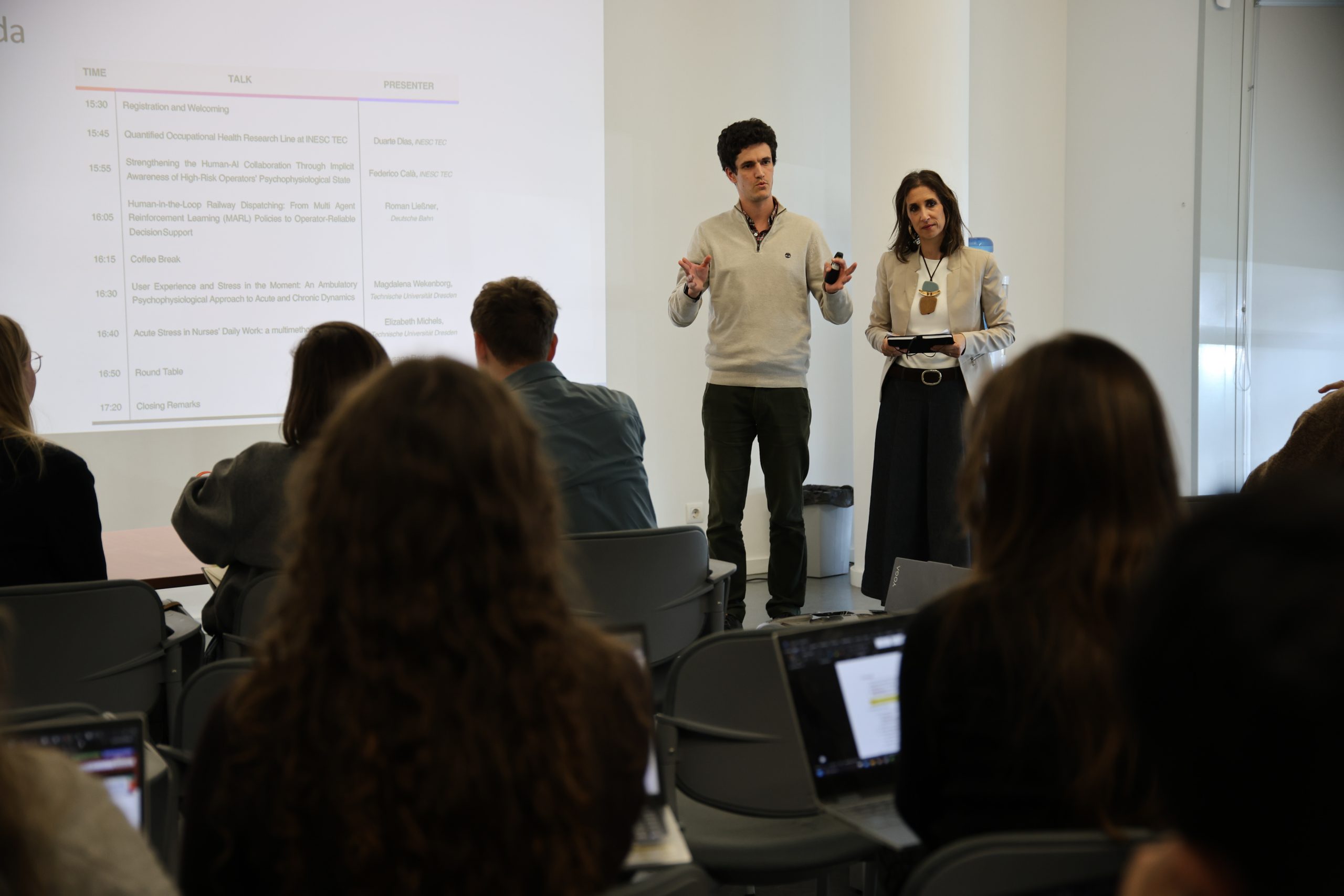
The event opened with an introduction to the institution’s research lines, presented by Duarte Dias, INESC TEC researcher and head of the Bioengineering area. This was followed by a series of presentations highlighting, among other aspects, human–AI collaboration through the assessment of operators’ psychophysiological state in high-risk situations; the role of human intervention in railway traffic management using multi-agent reinforcement learning (MARL) policies; and real-time monitoring strategies of acute stress in nurses’ daily work.
According to Federico Calà, an INESC TEC researcher and one of the speakers, the workshop highlighted the “potential of combining complementary skills” to realise a comprehensive framework to analyse workers’ well-being. “INESC TEC’s expertise in human-machine interaction and advanced biomedical signal processing can contribute to a more detailed and meaningful interpretation of physiological data, supporting more informed and effective applications in professional contexts,” he explained.
From early studies in areas like agriculture and air traffic control to more recent applications focused on railway workers and power grid management, occupational health research at INESC TEC already holds a long track record of results – particularly highlighted in the context of the European project AI4REALNET, led by INESC TEC.
Within this context, the Institute presented the Human Assessment Model (one of the systems currently being developed at the institution) as an “AI-based tool capable of monitoring stress and cognitive performance in real time through the analysis of physiological signals, especially ECG”. At the core, it is an “architecture that, rather than returning a simple numerical prediction, translates these values into interpretable outputs that can be used by AI agents to adapt their behaviour, promoting a more effective human–machine collaboration,” said Federico Calà.
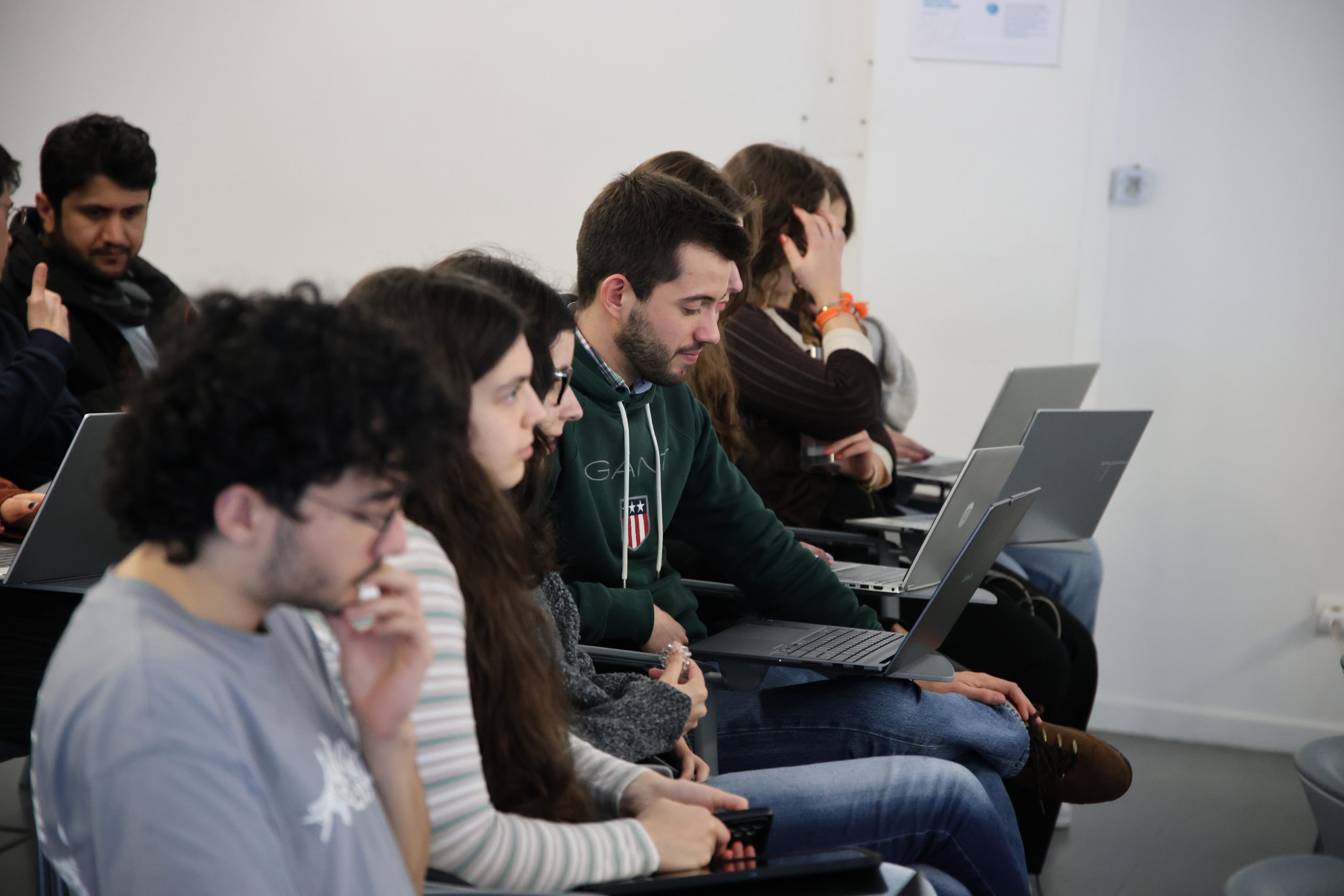
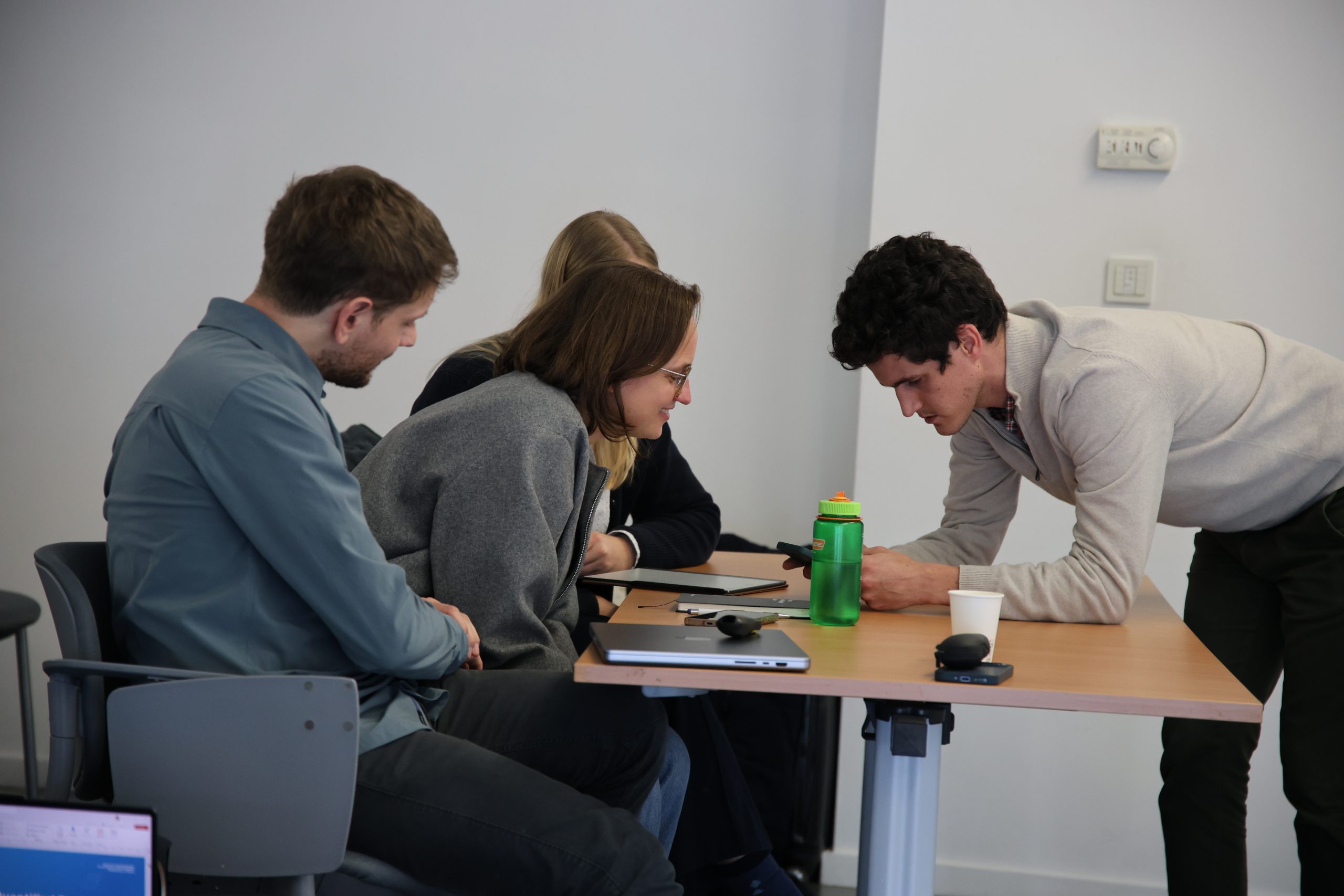
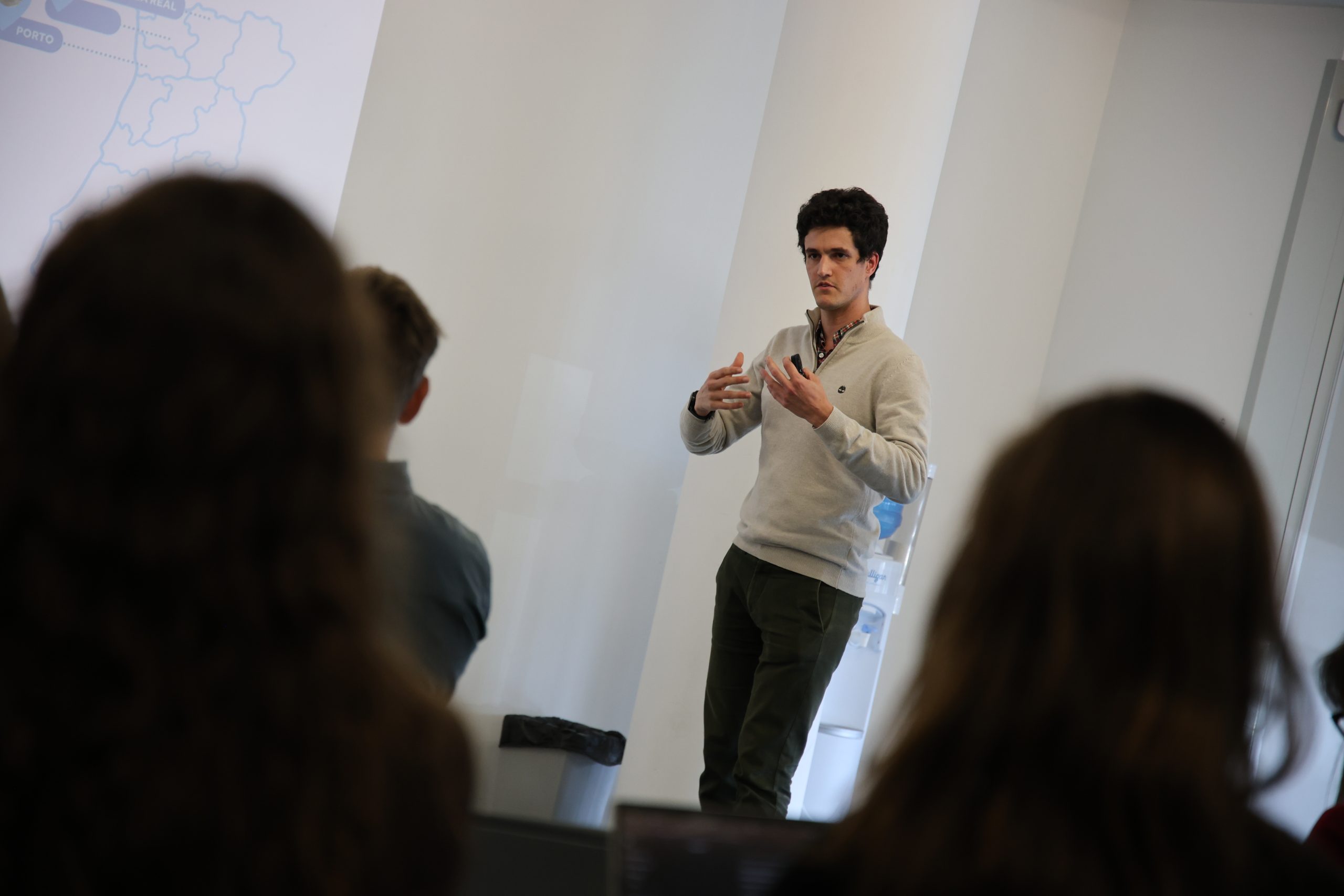
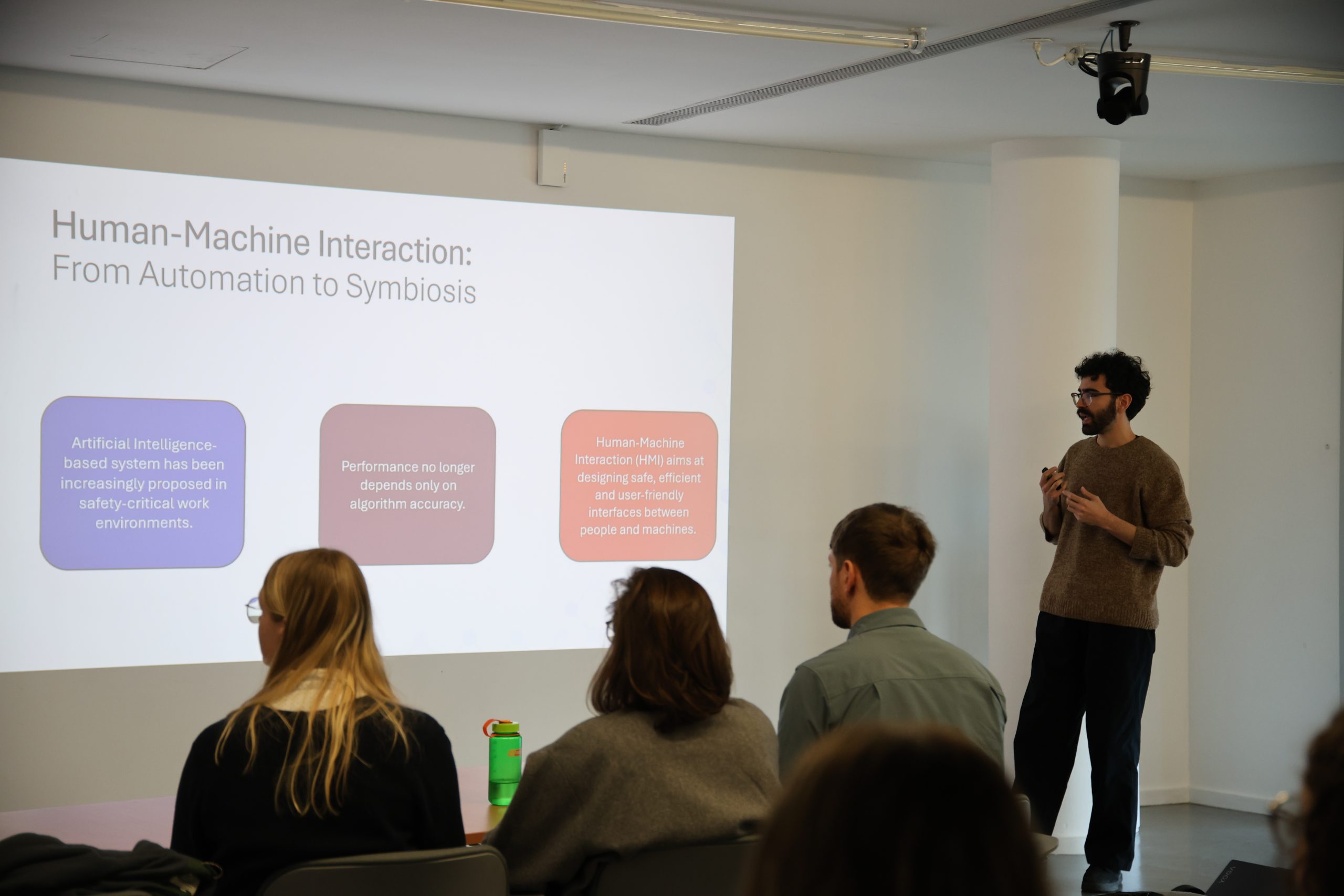
The event – which also addressed the difficulties in defining what stress is, how it is experienced by different individuals, and the challenges involved in detecting and measuring it – ended with a round-table discussion that encouraged “important reflections on ethical aspects, particularly privacy and data protection”. Among the concerns raised was the need to ensure that psychophysiological monitoring is used to promote workers’ well-being, without creating risks related to surveillance or the misuse of performance data.
By addressing several key areas under development at INESC TEC, the workshop confirmed the “proximity” to the main international research lines in occupational health, as well as contributions to the “development of technologies that not only improve operational efficiency but also place human well-being at the centre of digital transformation, in line with the goals of Industry 5.0”.
 News, current topics, curiosities and so much more about INESC TEC and its community!
