


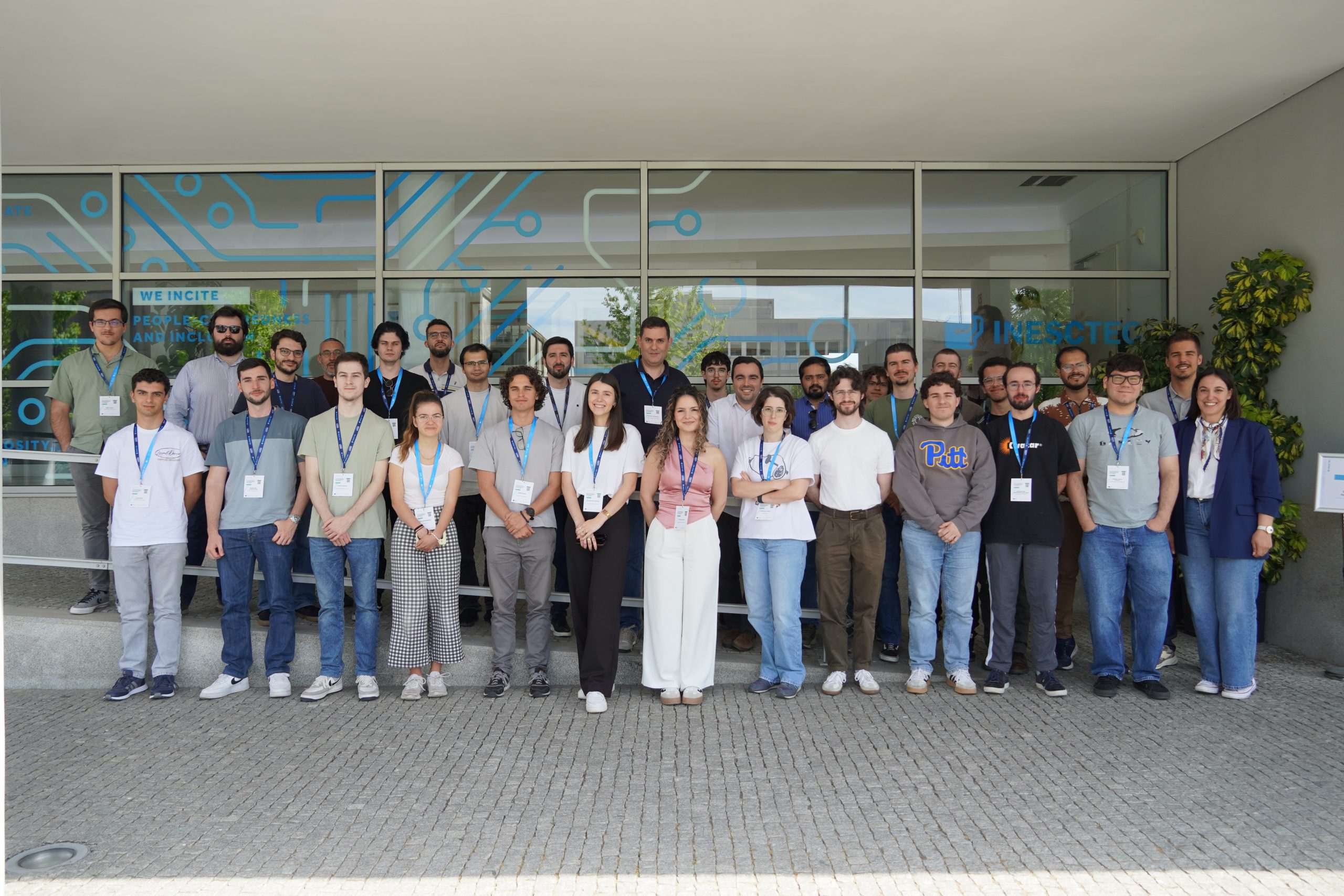
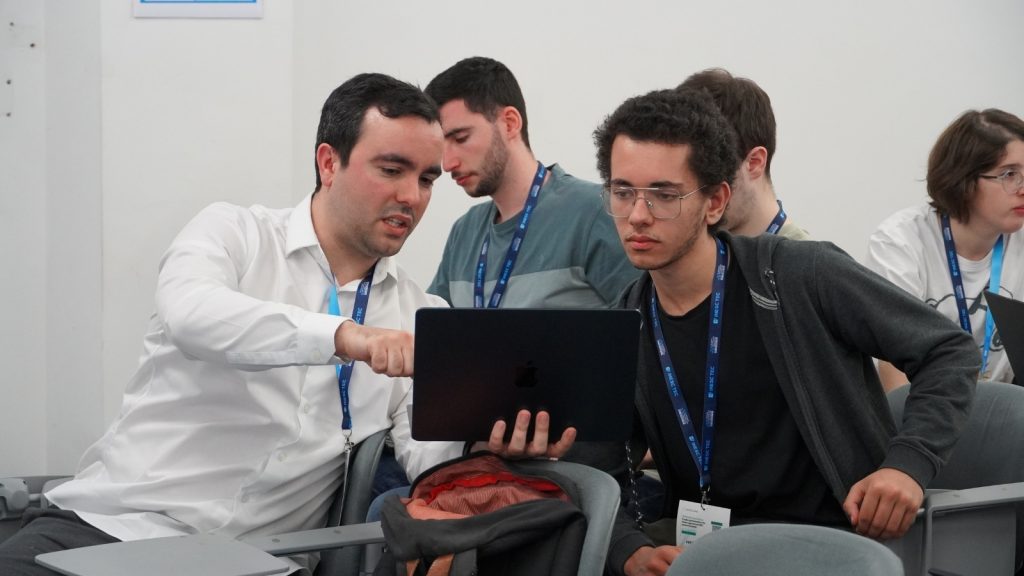
The event, held as part of the European EPICURE project – with INESC TEC as a partner -, brought together programmers, researchers and HPC users from across Europe for three days of intensive work in Porto.
Between 27 and 29 April, INESC TEC hosted the EPICURE Hackathon: Code Optimisation for Heterogeneous HPC Environments, a practical and collaborative event dedicated to improving the performance of applications on modern and heterogeneous high-performance computing (HPC) systems. The initiative took place in a hybrid format, with in-person sessions in Porto and online participation.
As part of the European EPICURE project, funded by the EuroHPC Joint Undertaking, the event featured experts from several leading European institutions, including the Barcelona Supercomputing Center, IT4Innovations, CINECA, the University of Antwerp and HLRS Stuttgart.
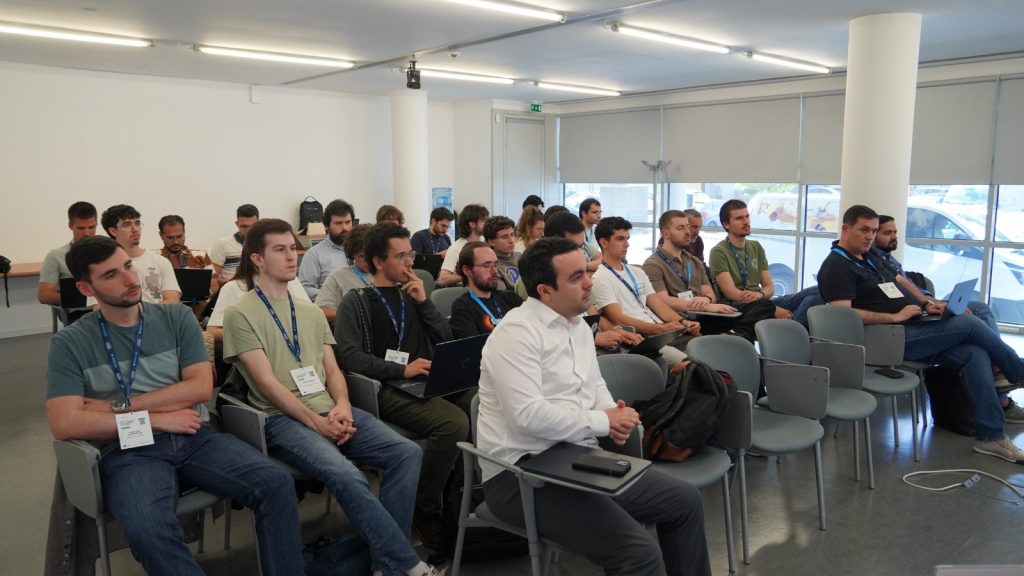
Participants were able to choose between two plans: the Custom Track, focused on optimising their own projects with the support of mentors, and the Guided Track, based on projects provided by the organisers. Throughout the three days, all involved were able to explore advanced optimisation techniques for CPUs and GPUs.
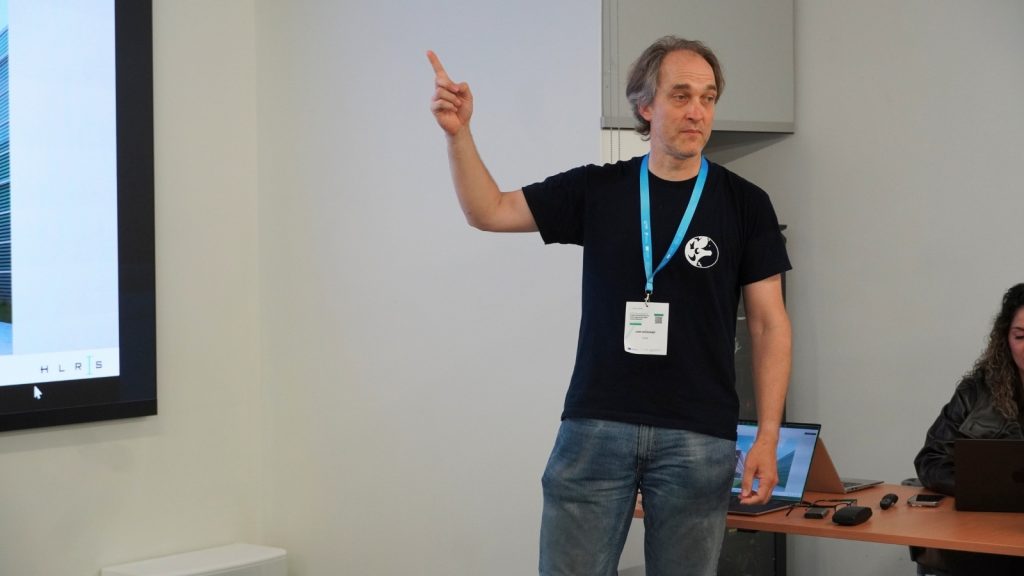
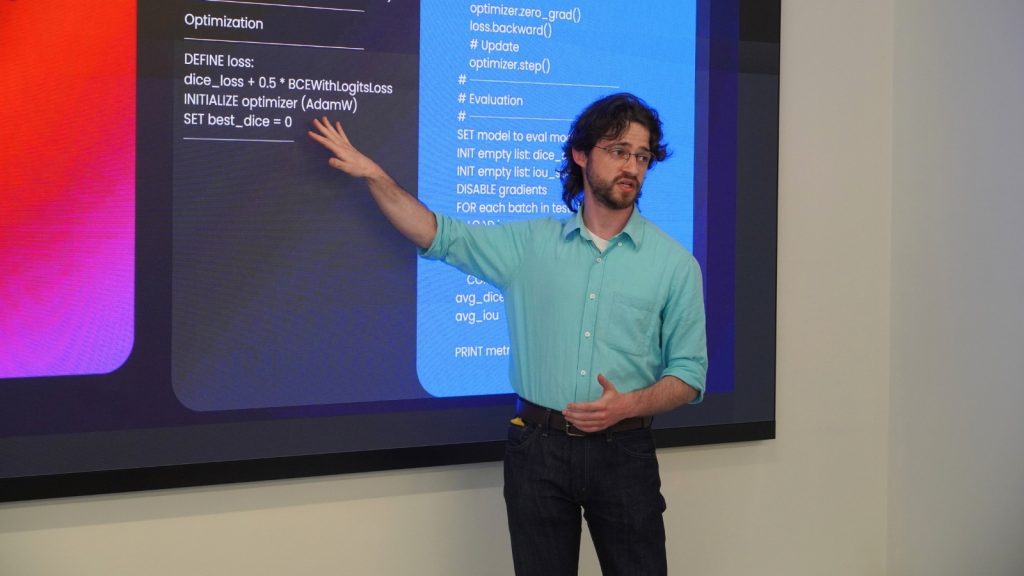
In addition to a presentation on the EPICURE project, focusing on the support made available to users, delivered by Alícia Oliveira, researcher at INESC TEC, the programme also included five keynotes covering topics ranging from the application of AI in healthcare powered by HPC, presented by Andreia Gaudêncio from the National Advanced Computing Centre (CNCA), to the architecture of the GH200 system, presented by Ziyad AlBanoby from the Barcelona Supercomputing Center, and quantum computing as an emerging computational frontier, addressed by André Sequeira, researcher at INESC TEC. Bernardo Malaca, from the Deucalion supercomputer support team, also presented on the optimisation of scientific code in Deucalion’s ARM partition, while the final day featured a session dedicated to scientific visualisation in virtual and augmented reality, led by Uwe Wössner from HLRS Stuttgart.
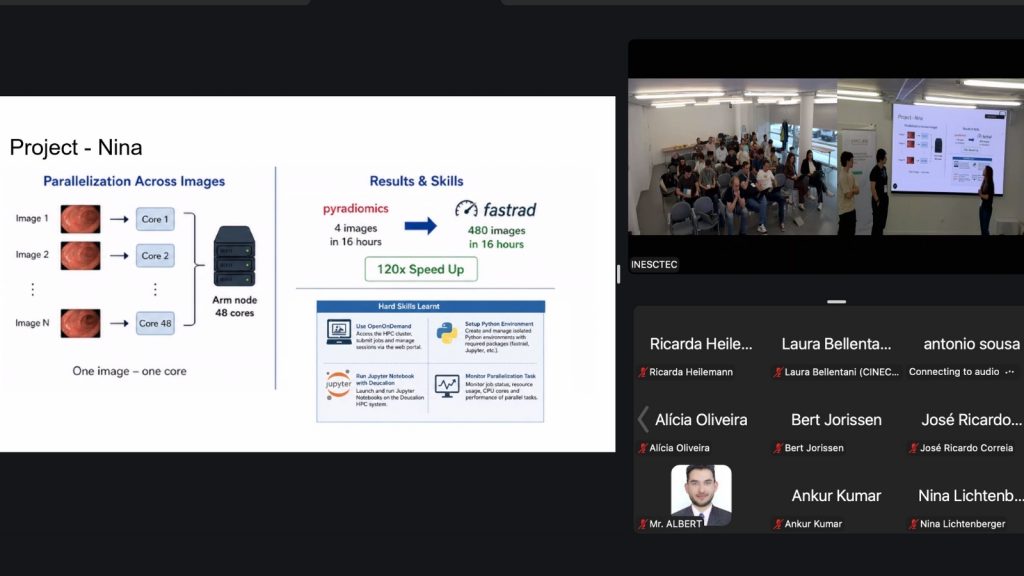
Alongside the knowledge-sharing component, the event also included a competitive element. First place was awarded to Luís Fernandes, researcher at INESC TEC, in the Custom Track, while second place went to Nina Lichtenberger in the Guided Track. The podium was completed by an international team participating online, consisting of Damien Mattei and Touler Foka (CNRS), Filipp Sporykhin (UMR J.L. Lagrange), Francesco Pucci (CNR-ISTP, Italy), Donato D’Ambrosio (University of Calabria, Italy) and Mohammed Bouziane (MSI-Côte d’Azur University). The top three teams were awarded 100K, 50K and 25K core-hours of computing time on the Deucalion supercomputer respectively, assessed based on innovation, performance and the technical quality of the solutions presented.
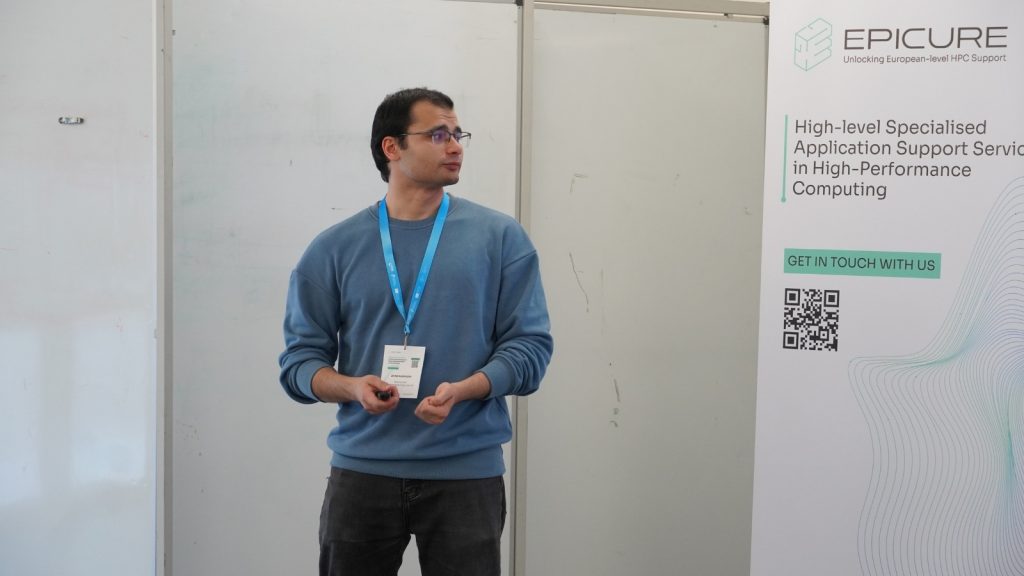
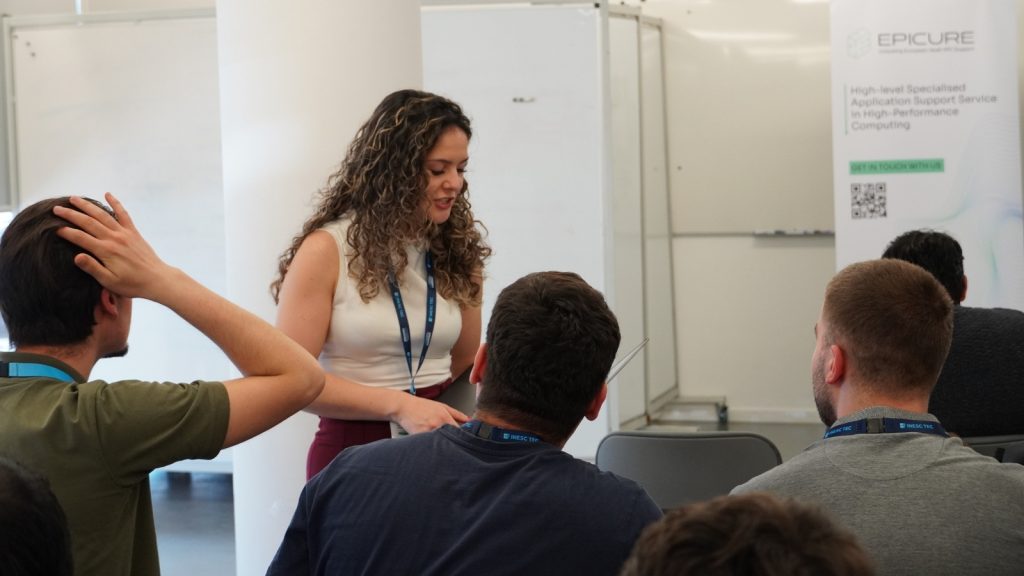
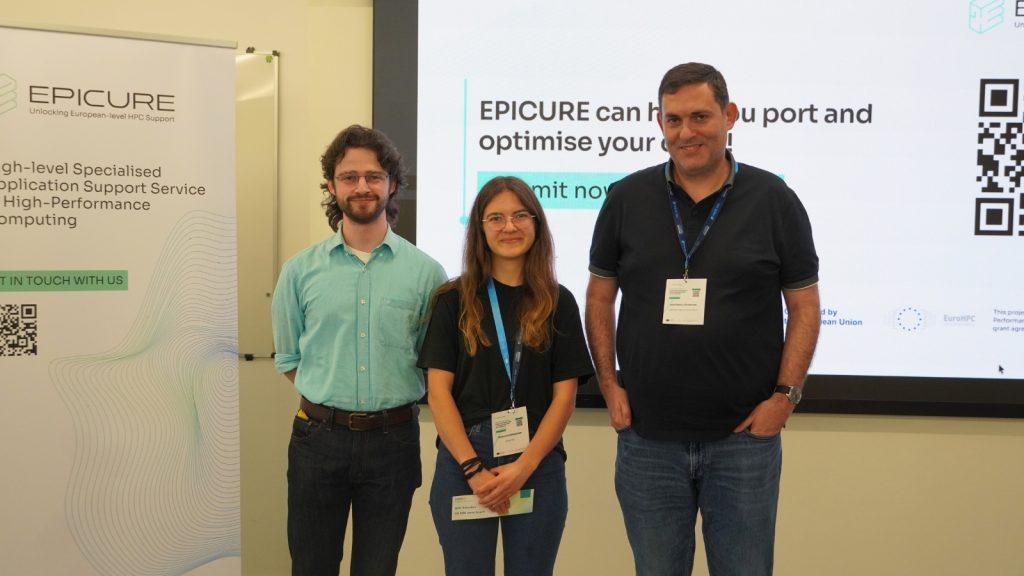
“EPICURE exists to bring users closer to the real potential of European supercomputers. At INESC TEC, we have a unique advantage in being very close to Deucalion, which allows us not only to support users, but also to collaborate directly with the management team of Portugal’s largest supercomputer and foster synergies,” explained António Luís Sousa, Researcher at INESC TEC and Professor at University of Minho’s School of Engineering.
EPICURE is a European project aimed at supporting HPC users across Europe by promoting access to leading supercomputers and the development of advanced skills in the field. INESC TEC is one of the consortium partners, contributing with expertise in high-performance computing and the operation of the Deucalion supercomputer.
 News, current topics, curiosities and so much more about INESC TEC and its community!
