


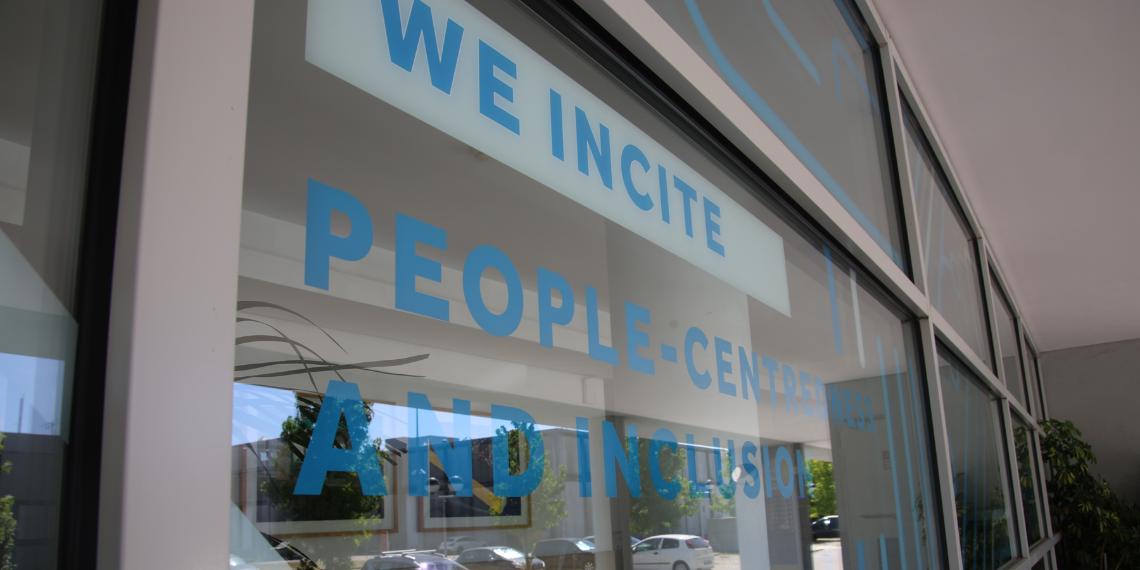
How can organisations create more inclusive workplaces that embrace different ways of thinking, communicating and collaborating? This question inspired INESC TEC’s Diversity and Inclusion Committee and the Institute’s Human Resources team to organise an awareness session on neurodiversity in the workplace. The initiative focused on the importance of creating accessible, respectful and inclusive working environments.
The launch of the Neuro-Incluir programme at INESC TEC marked the first step in bringing neurodiversity to the forefront of the conversation. “The goal of the Diversity and Inclusion Committee, through the Neuro-Incluir programme, is to help create an environment where everyone can perform at their best. When we build an organisation where every mind can contribute, we become more innovative, more human and better prepared for the future,” said Aurora Libânia Teixeira, a member of the Committee. She added that true inclusion begins when we stop asking people to adapt to the environment and instead adapt the environment to people. “That is the commitment behind Neuro-Incluir.”
The programme includes a range of awareness and training initiatives. The first session, Neurodiversidade no Local de Trabalho, has already taken place – promoted by Specialisterne Portugal, a leading organisation specialising in the training and professional inclusion of neurodivergent people.
The session aimed to promote a deeper understanding of neurodiversity in professional settings and to raise awareness of the importance of creating workplaces that are more accessible, respectful and inclusive. It also encouraged organisational practices aligned with international recommendations on neurodiversity in the workplace.
Participants covered key topics including the fundamental concepts of neurodiversity, prevalence data and the impact on organisations, appropriate terminology and affirming language, as well as the benefits of neurodiverse inclusion and practical inclusion strategies.
They also explored workplace attributes associated with autism, attention deficit hyperactivity disorder (ADHD), dyslexia and Tourette syndrome, alongside principles of empathy and neuroinclusive communication.
“These topics helped participants identify practical strategies for building teams that are more aware, collaborative and better prepared to embrace different ways of thinking, communicating and working. The high level of participation and the many questions raised throughout the session reflected our community’s strong interest in the subject and highlighted the importance of continuing to create opportunities for dialogue on neurodiversity in the workplace,” explained Aurora Libânia Teixeira.
As part of the Neuro-Incluir programme, INESC TEC has also created an online discussion space designed to serve as a safe and inclusive forum for both neurodivergent and neurotypical people. The platform encourages participants to share experiences and reflections, ask questions, recommend resources, discuss inclusive workplace practices in a constructive way, and support one another through empathy and mutual respect.
“Improving neurodiversity literacy is one of the Neuro-Incluir programme’s main objectives and a fundamental step towards creating healthier and more inclusive workplaces. By recognising that people think, communicate and interact in different ways, we create the conditions to strengthen everyone’s wellbeing and sense of belonging,” said Rita Cardoso, a member of INESC TEC’s Human Resources team.
According to the Diversity and Inclusion Committee and the Human Resources team, this initiative forms part of the Institute’s ongoing commitment to fostering a more diverse, inclusive and psychologically safe organisational culture. It also helps strengthen “a community built on respect, empathy and mutual learning.”
 News, current topics, curiosities and so much more about INESC TEC and its community!
