


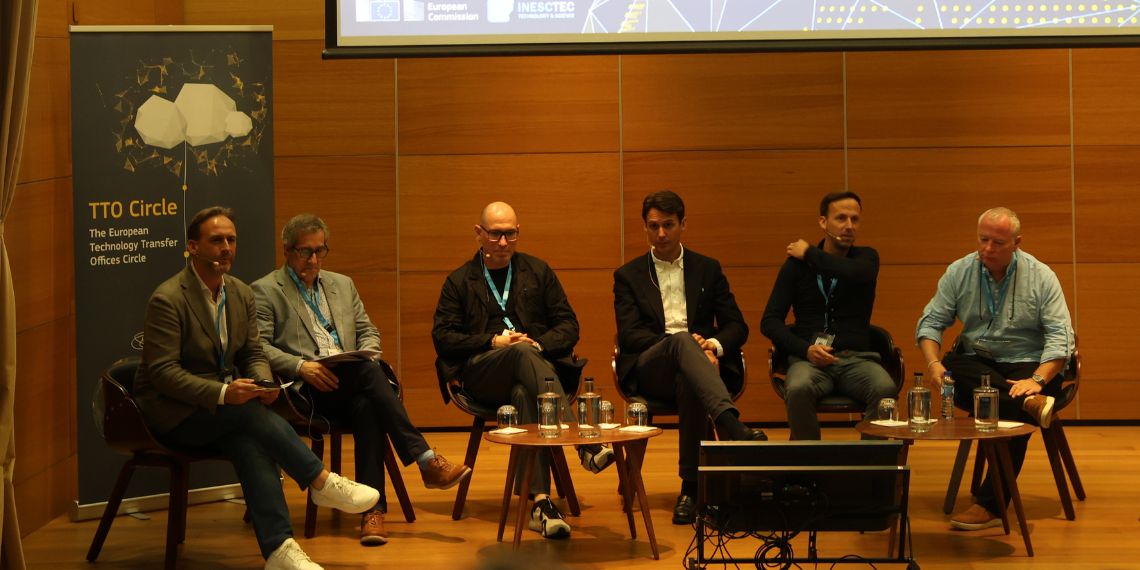
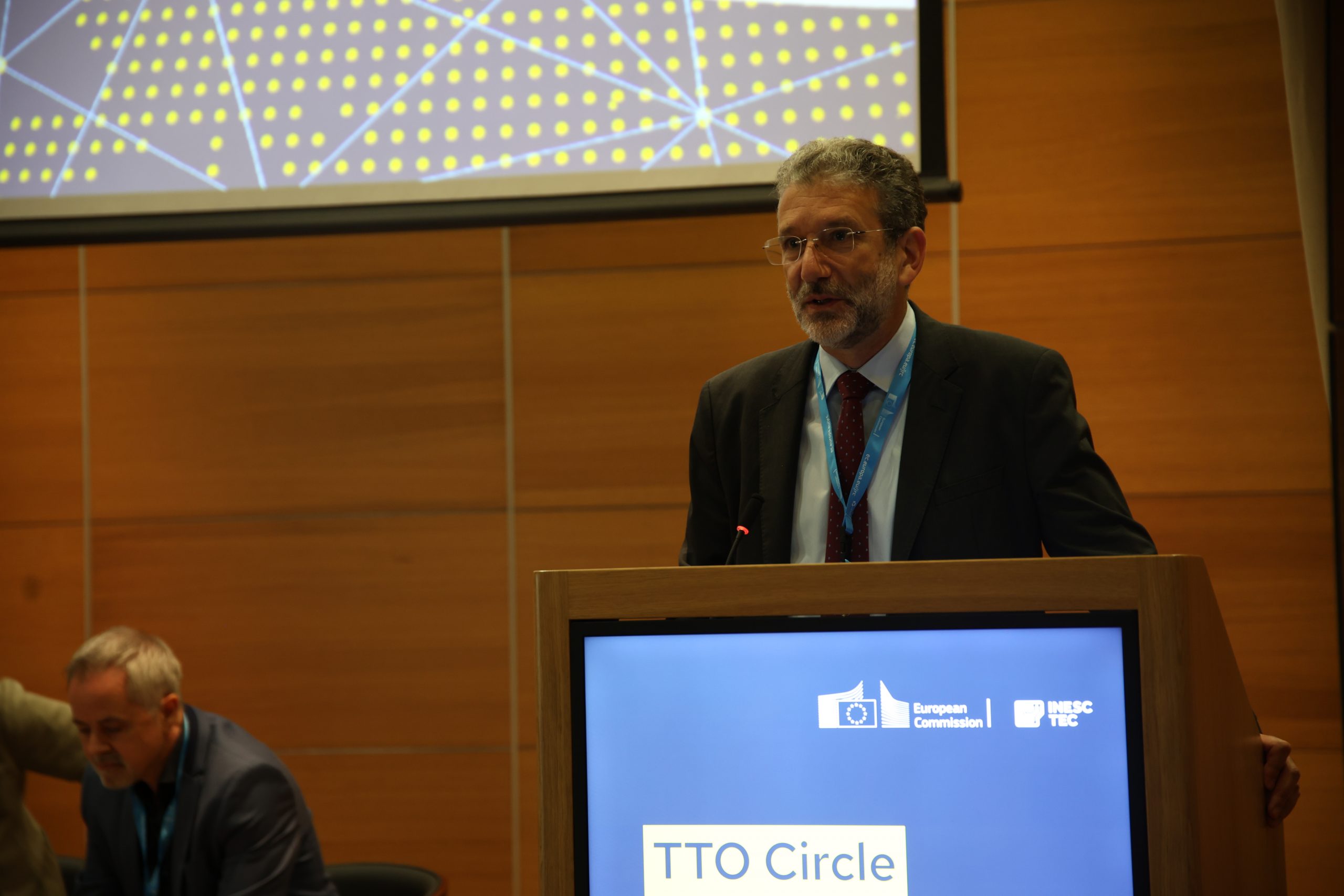
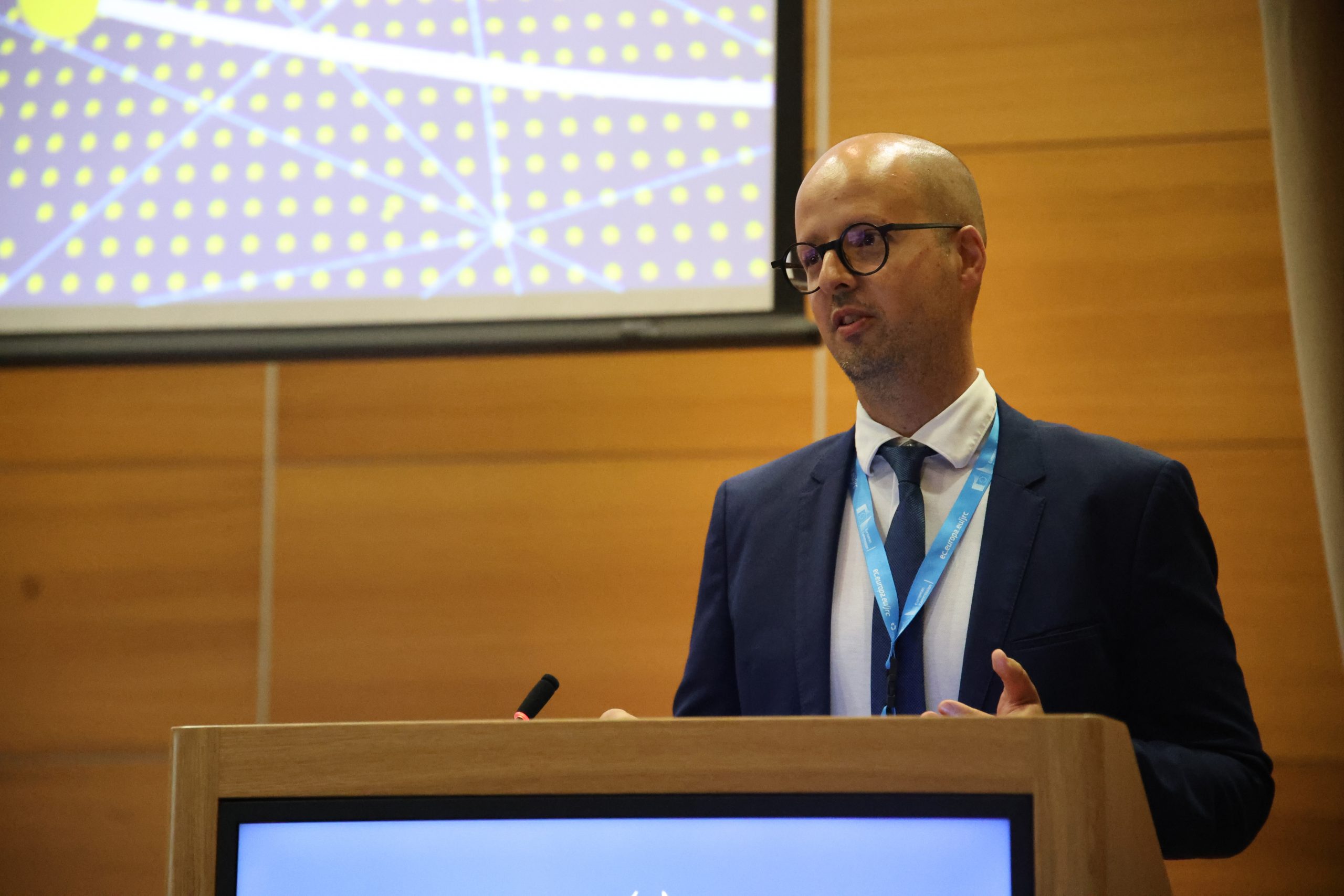
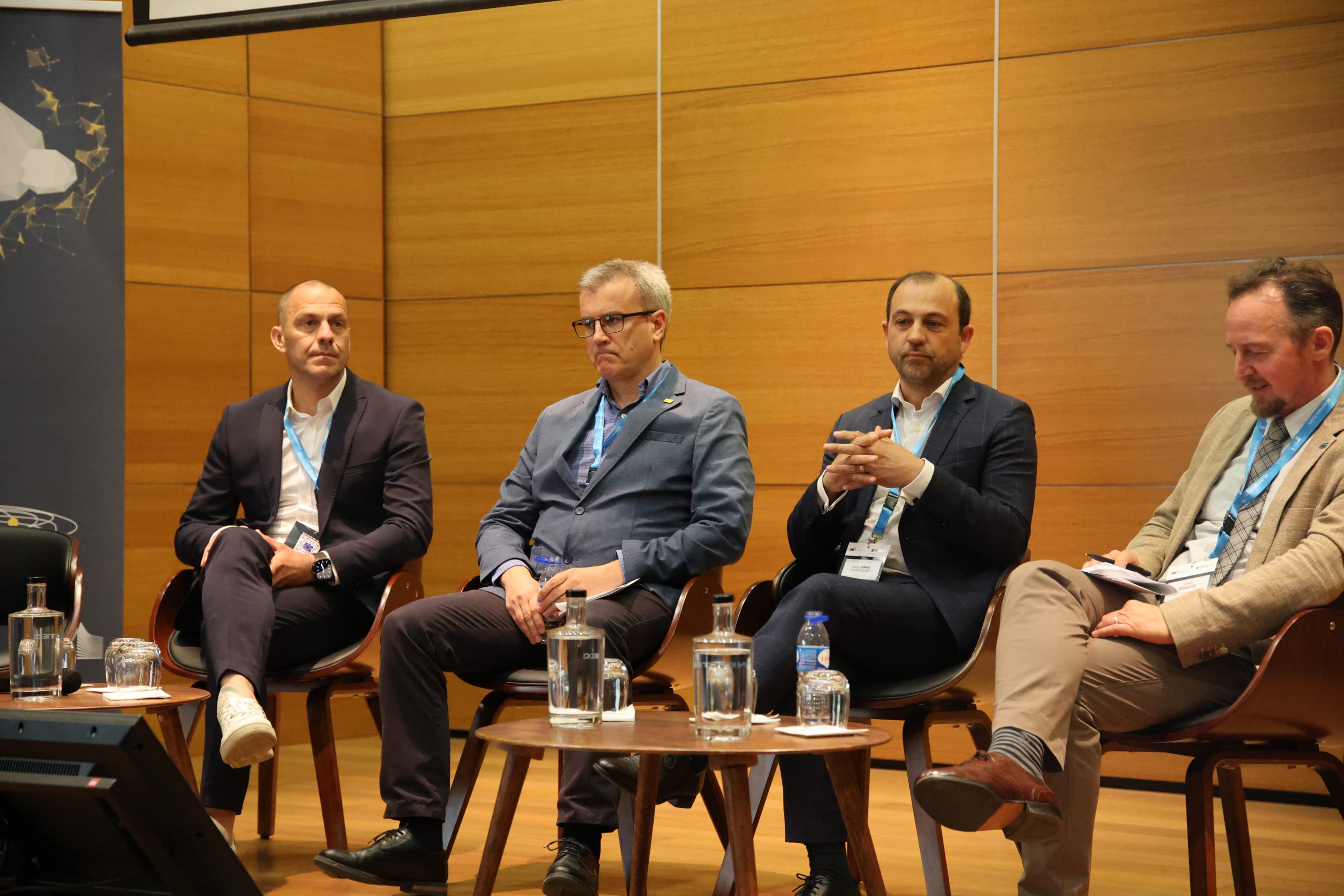
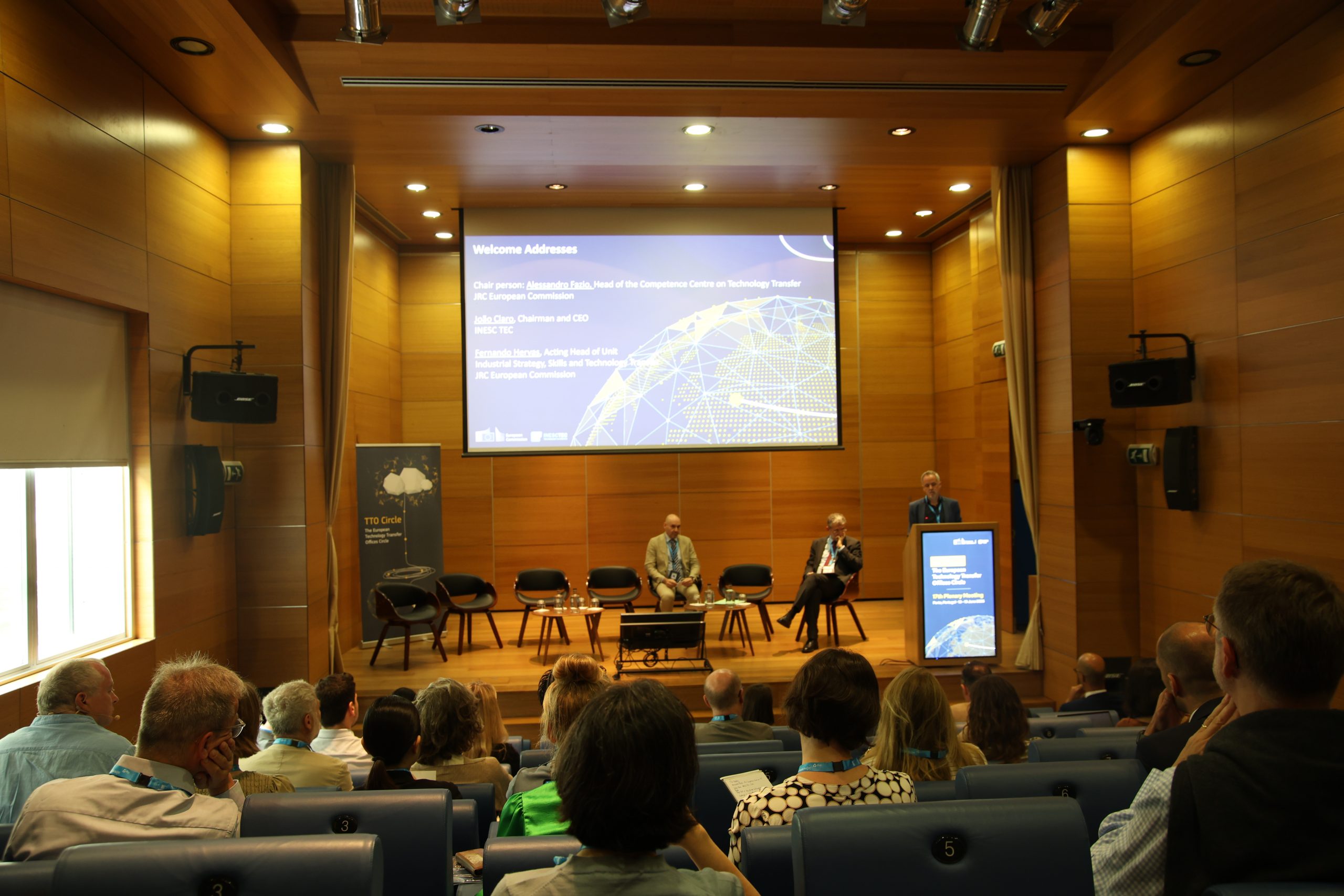
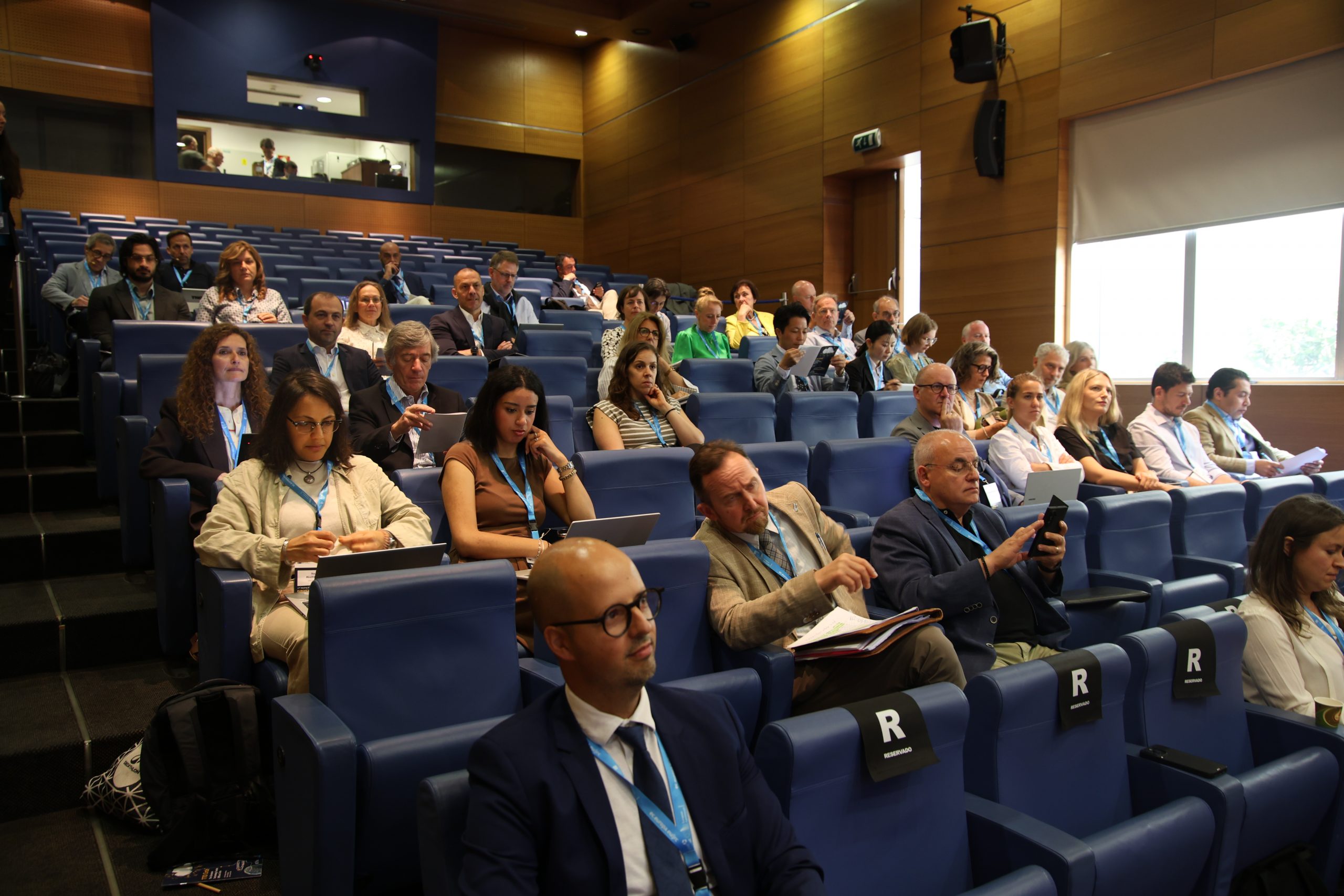
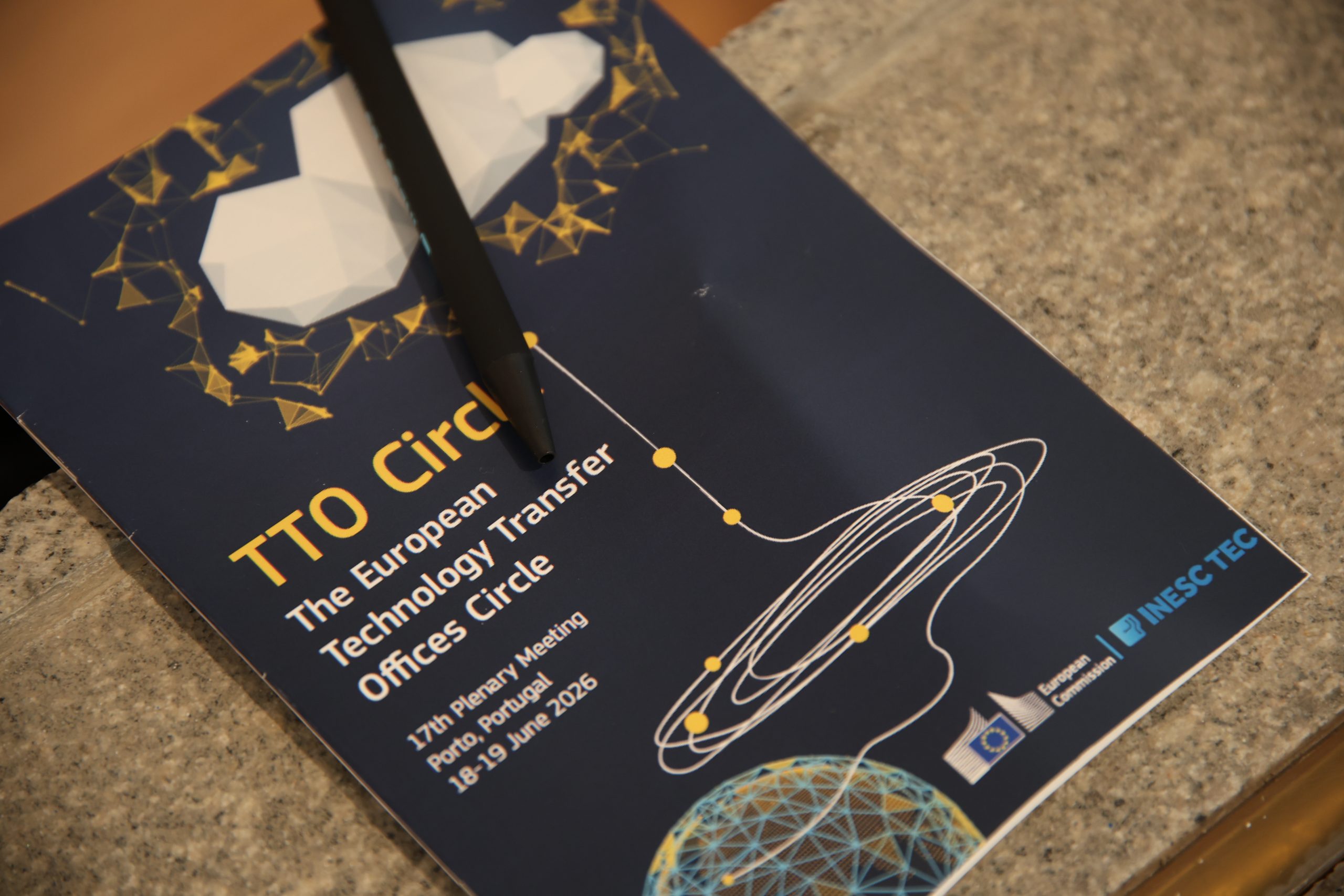
Over two days, heads of technology transfer offices, representatives from the European Commission, research organisations and international partners discussed best practices, challenges and new opportunities for turning scientific knowledge into economic and societal impact. The 17th Plenary Meeting of the European TTO Circle – the European network bringing together the leading technology transfer offices of research and technology organisations (RTOs) – took place in Porto, organised by INESC TEC, the only Portuguese institution part of this community of excellence.
Some of the main topics included the use of dual-use technologies, including possible applications in security and defence contexts – an area raising new ethical, regulatory and strategic challenges for research institutions. Participants highlighted that the ability to develop and transfer technologies with both civilian and defence application potential will become increasingly important in addressing Europe’s economic, technological and geopolitical challenges.
The Blue Economy was also one of the key themes, namely the role of science, technology and innovation in areas like maritime technologies, offshore energy, robotics, sustainability and strategic autonomy. This is a particularly relevant topic for INESC TEC, since it’s been establishing itself as one of the leading national players in promoting ocean-related innovation through INESCTEC.OCEAN and the future Hub Azul de Leixões. During the round table Blue Economy: Technology Transfer at the Intersection of Sustainability, Industry and Strategic Autonomy, the participants highlighted the 2025-2026 period as a decisive phase for European ocean policy, marked by a shift from scattered initiatives towards a more integrated and coordinated industrial strategy.
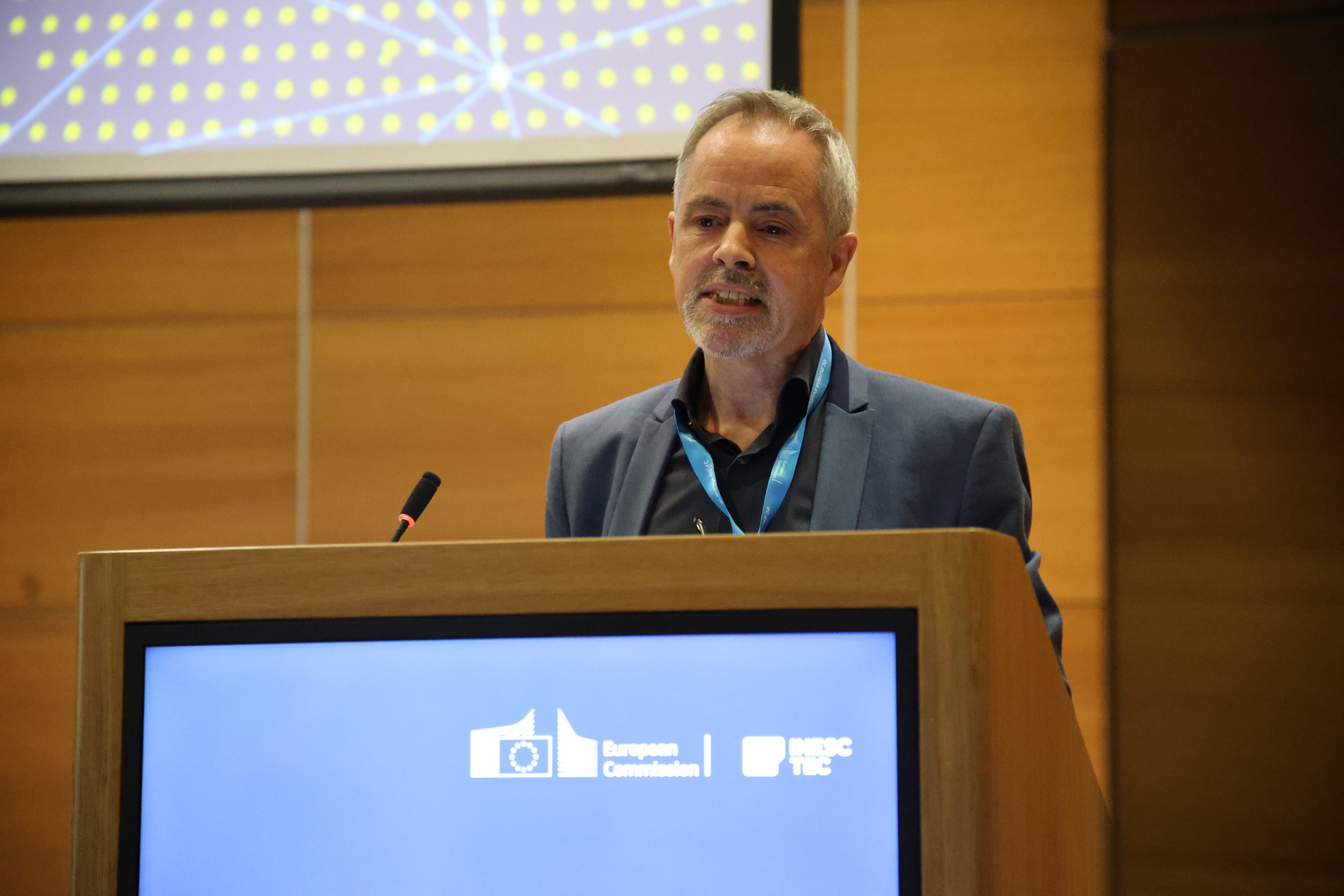
João Claro, Chairman and CEO of INESC TEC, stressed the importance of hosting this initiative in Porto, a city with close ties to the sea, stating that INESC TEC also plays a significant role in innovation transfer. “We are at a critical moment for Europe, where the ability to turn knowledge into economic and societal value will be decisive for the continent’s competitiveness. There are already accumulated knowledge and concrete examples showing what works; the challenge now is to create the conditions to accelerate these processes and boost the European innovation ecosystem, while also reinforcing institutional venture-building capabilities. Technology transfer offices now play an essential role, acting as a bridge between science, industry, investors and public institutions, helping to speed up the delivery of innovation to society.”
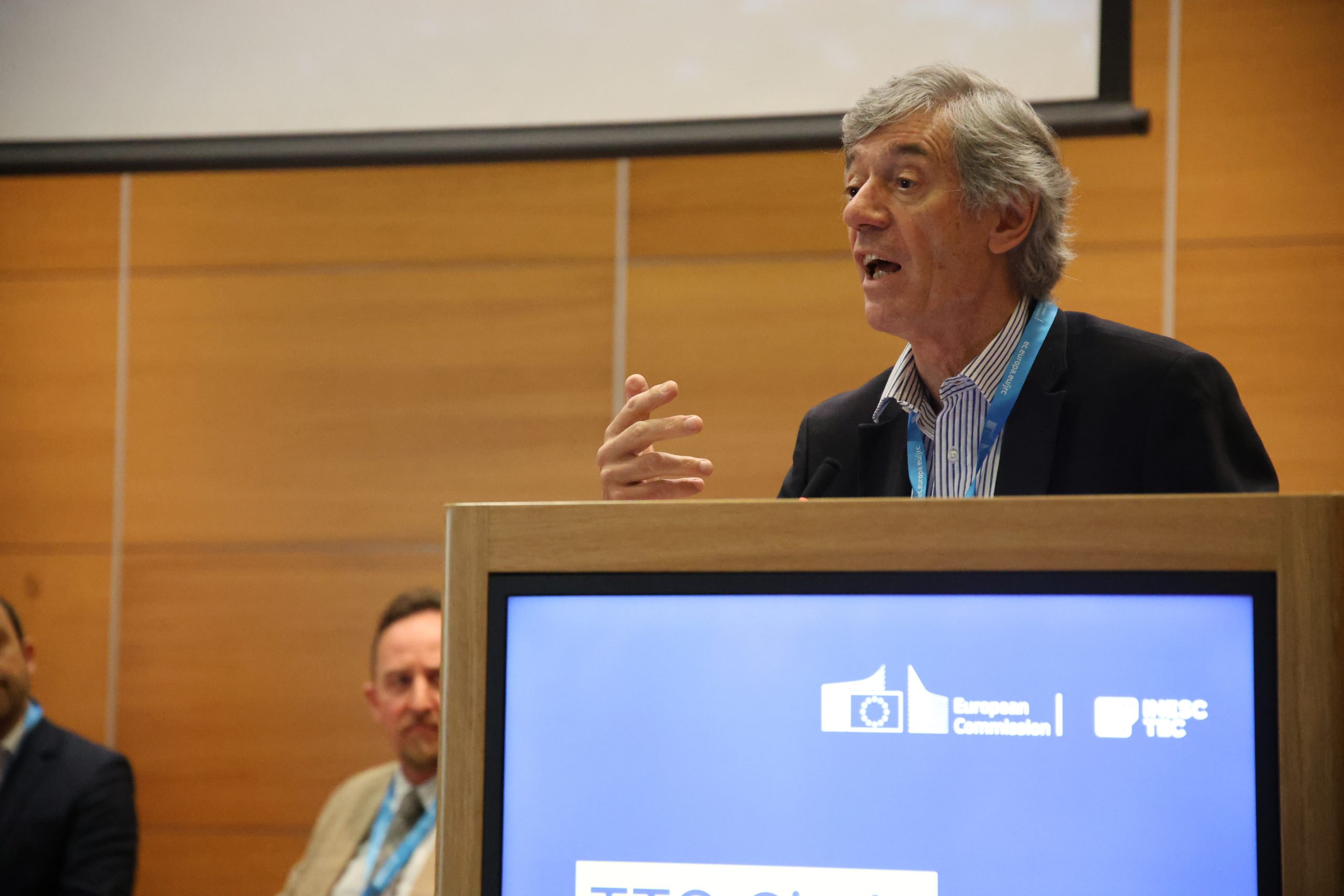
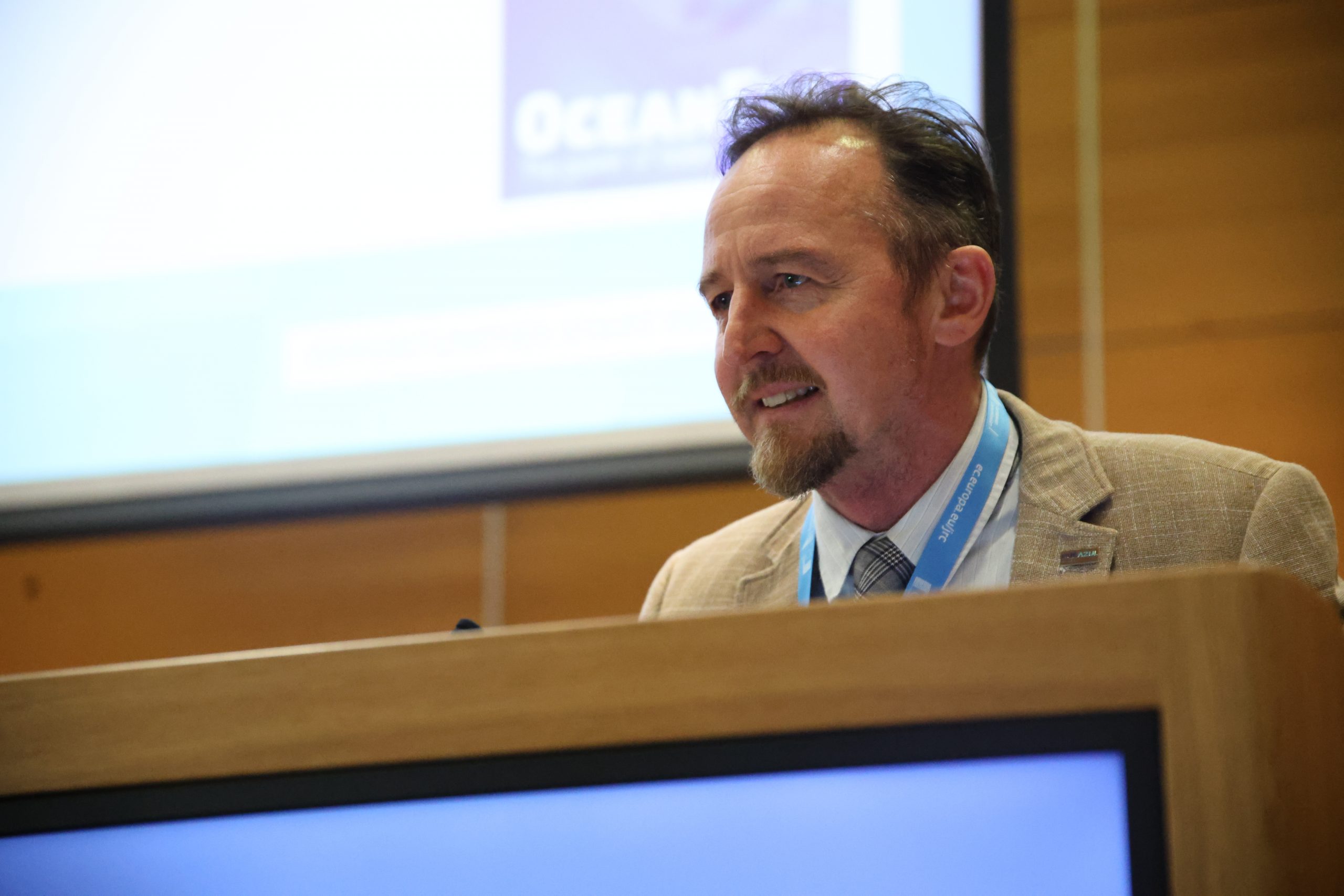
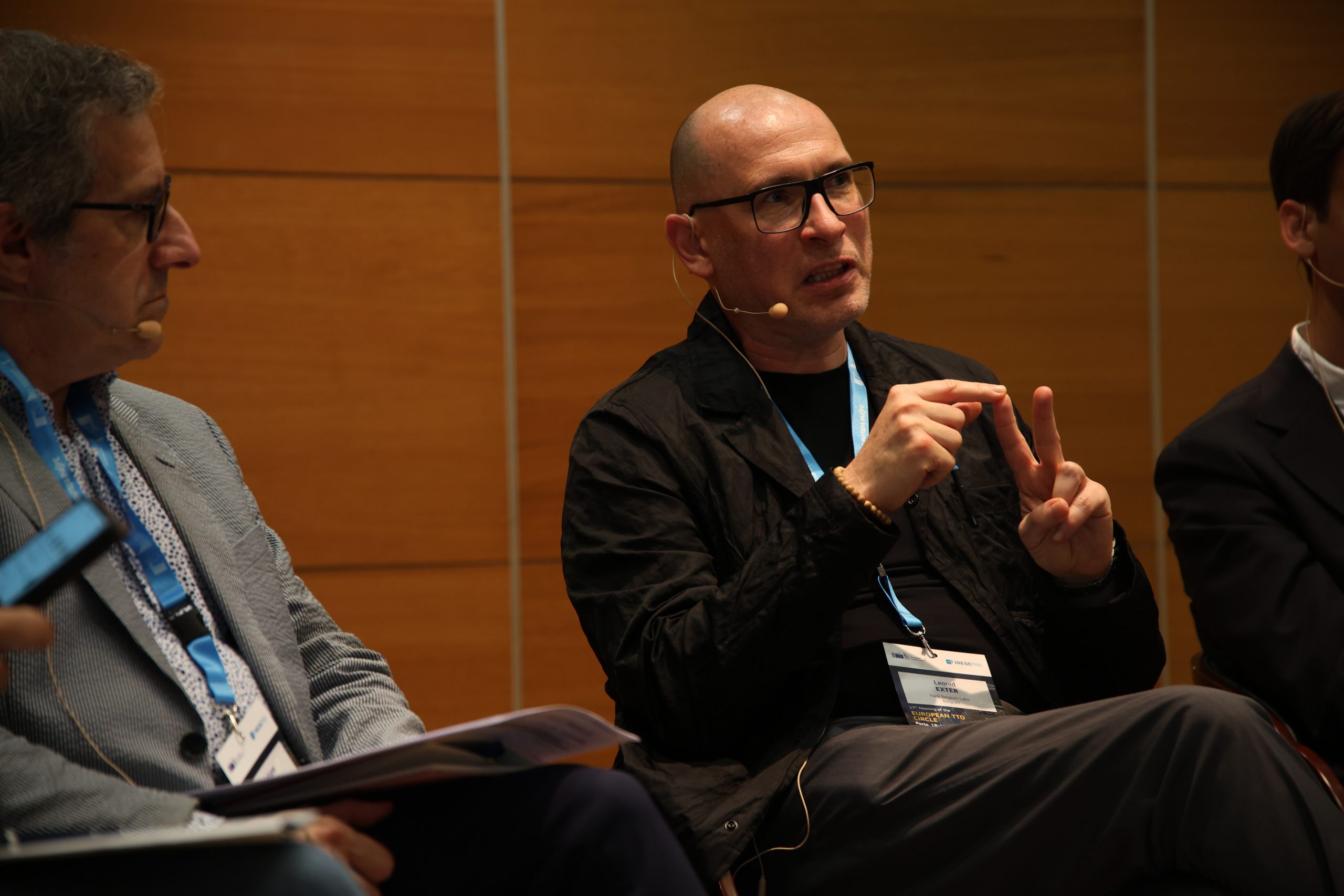
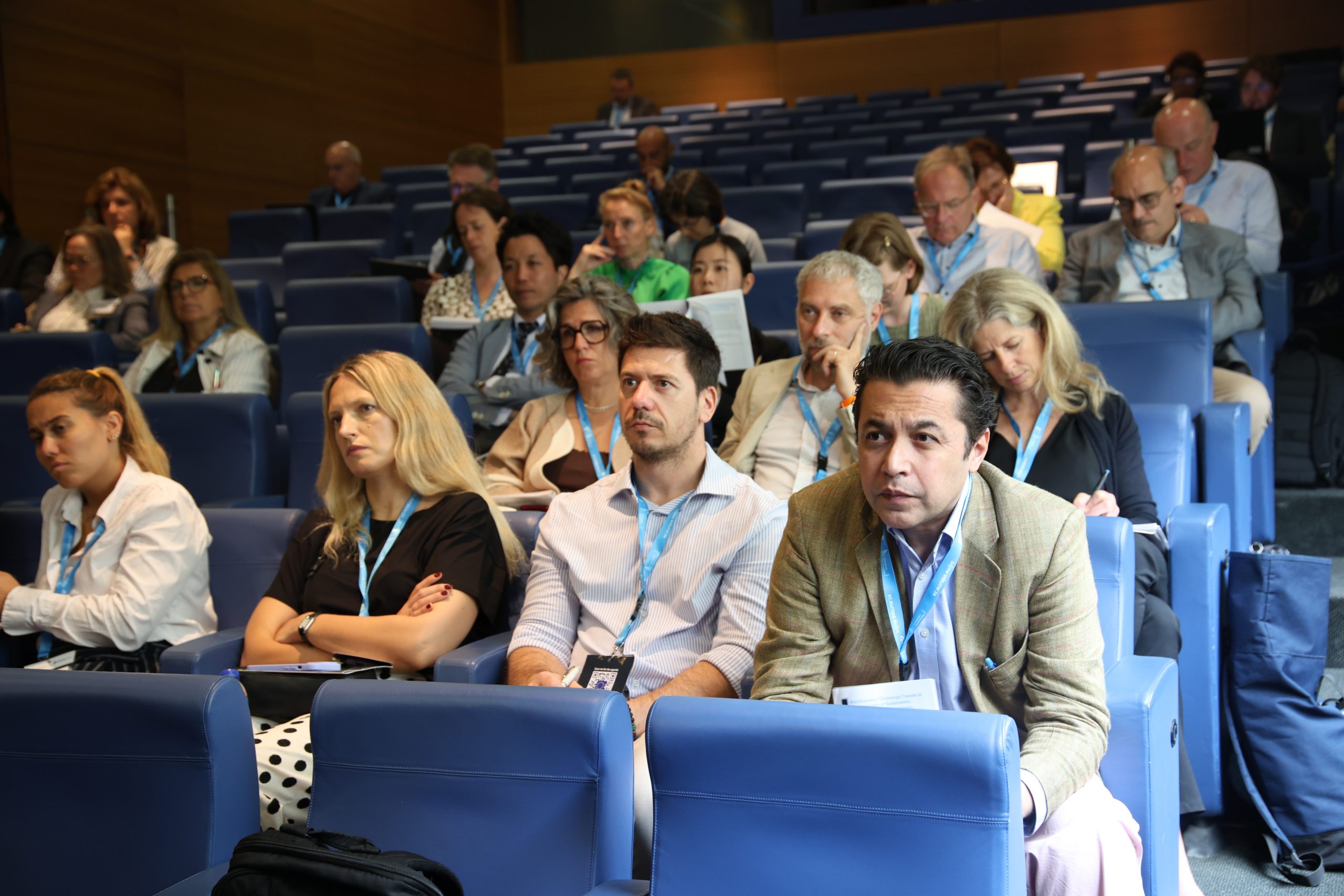
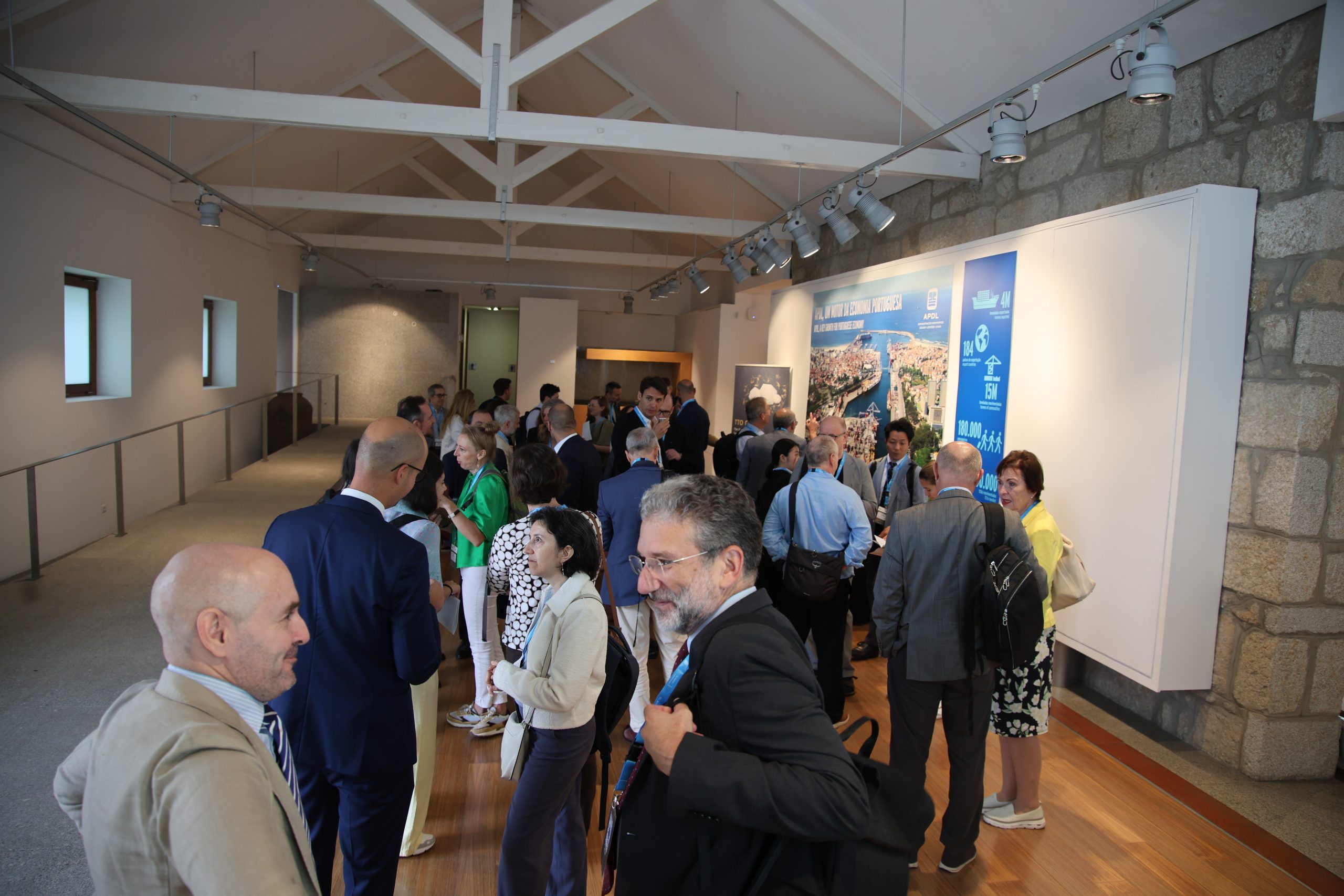
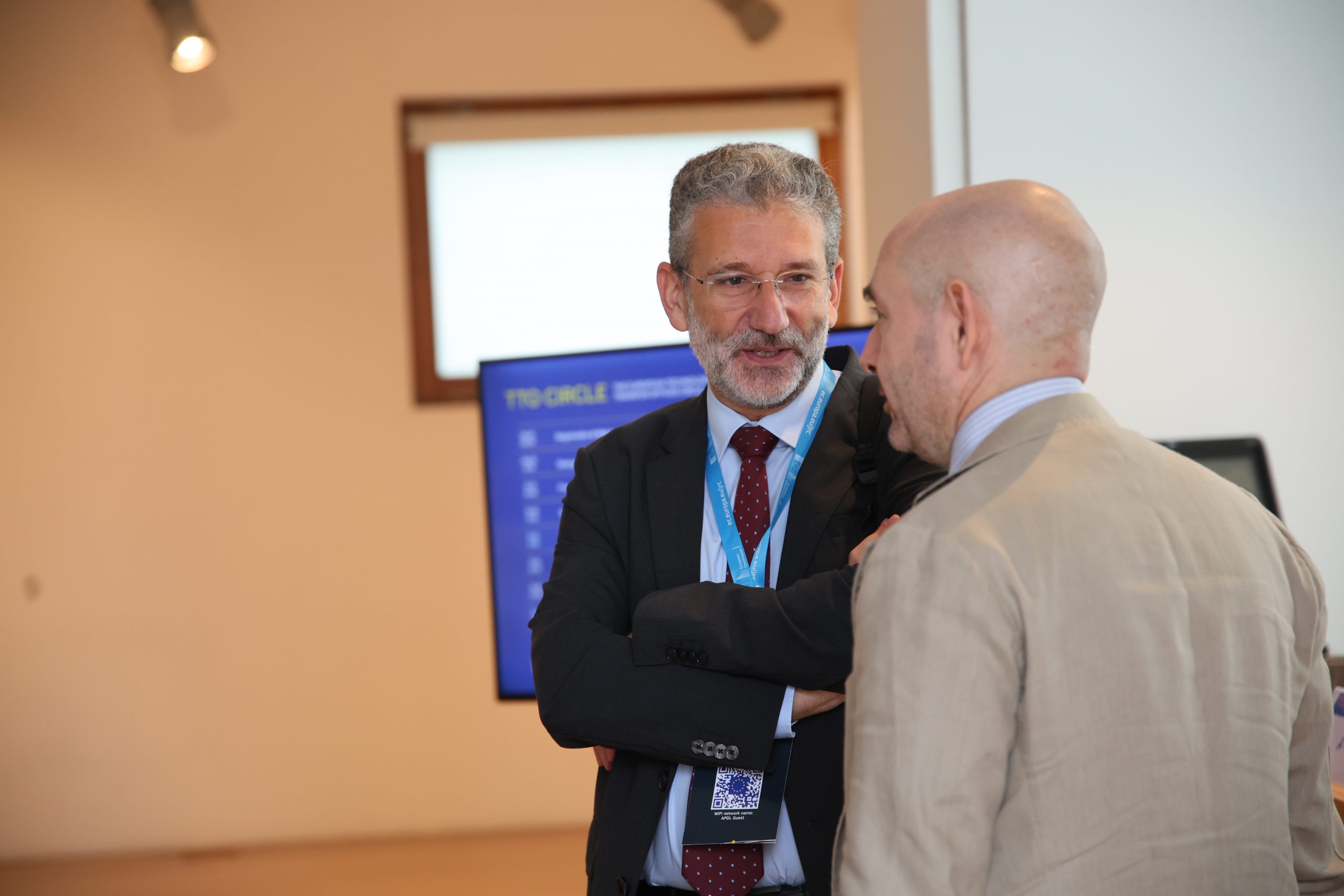
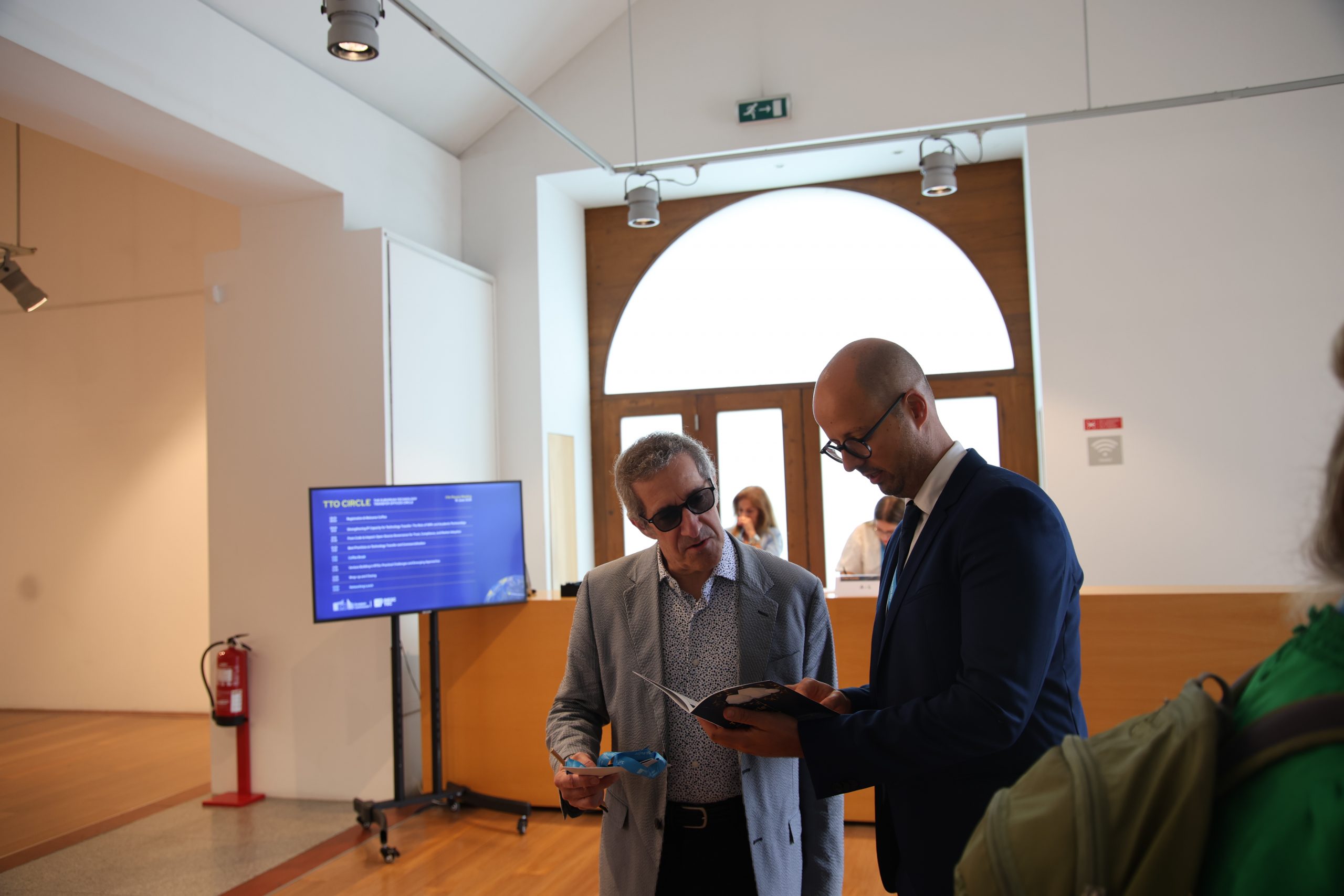
The meeting also included sessions dedicated to global technology partnerships, open-source software governance, strengthening intellectual property skills, and the challenges of setting up new technology-based companies.
The creation of deep-tech start-ups was the subject of a dedicated discussion among network members, focusing on issues like the role of Entrepreneurs-in-Residence (EIR), investment readiness and alternatives to venture capital funding, access to entrepreneurial talent, and the growth challenges faced by technology companies in areas less attractive to traditional investors. The session also addressed the emerging role of technology venture builders as mechanisms for creating and accelerating science-based companies, advocating that Europe already holds sufficient knowledge and experience to accelerate these models and avoid losing competitiveness to other regions of the world. Rather than seeking one-size-fits-all solutions, the session encouraged the sharing of experiences on how different organisations are adapting their incubation and business-creation support models, reinforcing the need for flexible approaches tailored to each technological and market context.
According to Daniel Vasconcelos, Head of INESC TEC’s Technology Transfer Office, the meeting was a true “G30 of technology transfer”, enabling the discussion of best practices within a highly specialised European network. “The TTO Circle is about people and the organisations those people represent. It’s the trust between them and the shared ambition that unites them and drives them to find solutions to the challenges of translating scientific excellence into societal impact. There’re no money and no prizes at stake, so what unites us is a shared vision and a desire to make progress,” he stressed.
According to João Claro, international collaboration – particularly with the European Commission’s Joint Research Centre (JRC) – is essential to the success of technology transfer. “Global partnerships are only truly successful when both parties can learn from one another and build knowledge together. This meeting was an opportunity for us to reflect, as a community, on how we can contribute to the future of technology transfer in Europe and around the world,” he said.
The meeting also highlighted INESC TEC’s position as an example of the interface between academia, research and industry, demonstrating the importance of creating the conditions for science developed within institutions to effectively reach companies, markets and society.
But the challenges of technology transfer go far beyond regulatory, legal or intellectual property issues. Throughout the various sessions, it became clear that there is a need to drive cultural change within the institutions themselves, strengthening their commitment to best practices, collaboration, and mechanisms that facilitate the transformation of scientific knowledge into impactful innovation. There was broad agreement that this cultural shift will be decisive for the network’s future and for Europe’s ability to make the most of its research outputs.
Participants also stressed the growing importance of cybersecurity in the transfer of software technologies, including open-source projects, as well as the need to develop differentiated approaches to technology valorisation across different sectors and contexts.
Established 15 years ago, the European TTO Circle has tracked some of the main challenges in technology transfer in Europe, from the valorisation of scientific results to the creation of spin-offs, as well as adapting to new regulatory and geopolitical contexts.
 News, current topics, curiosities and so much more about INESC TEC and its community!
