


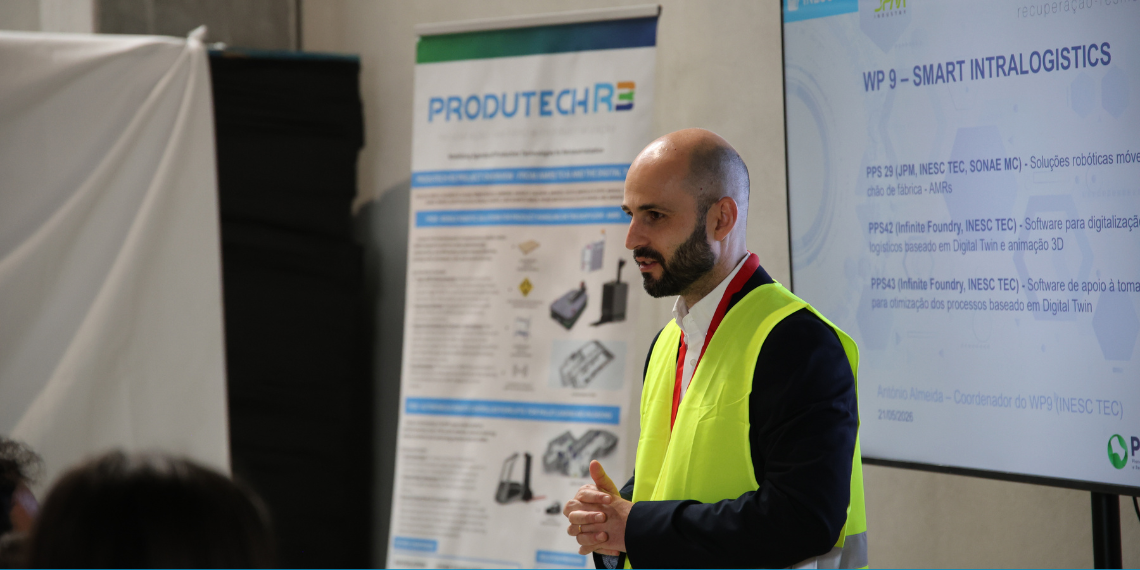
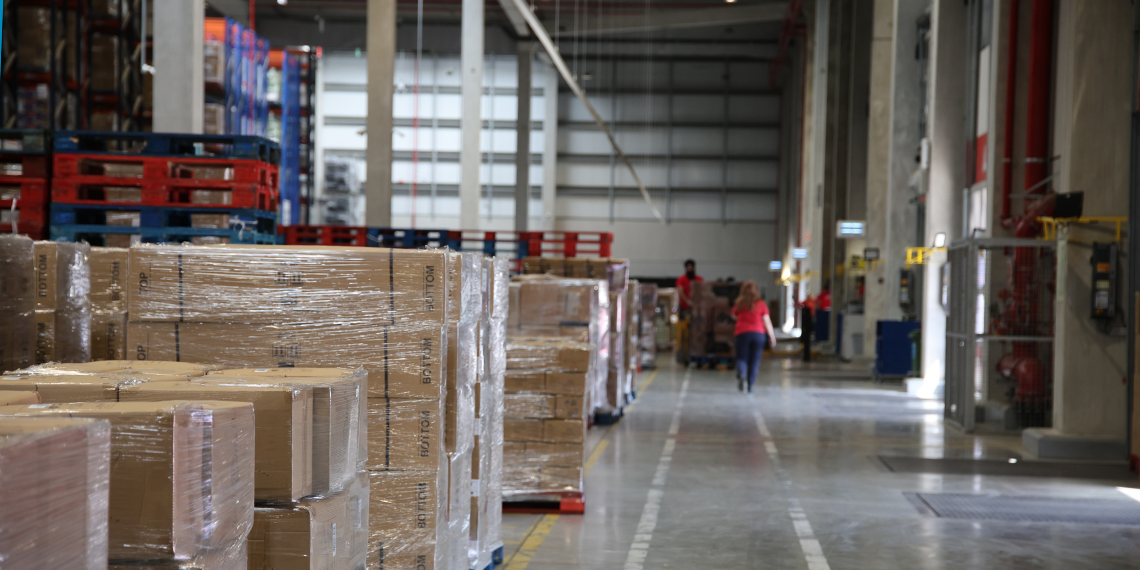
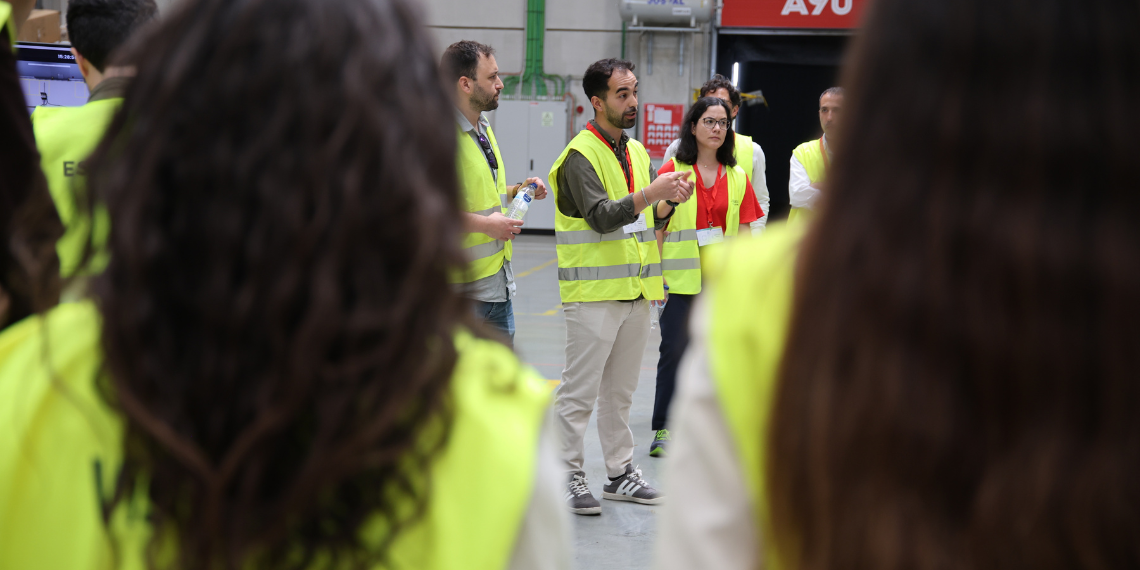
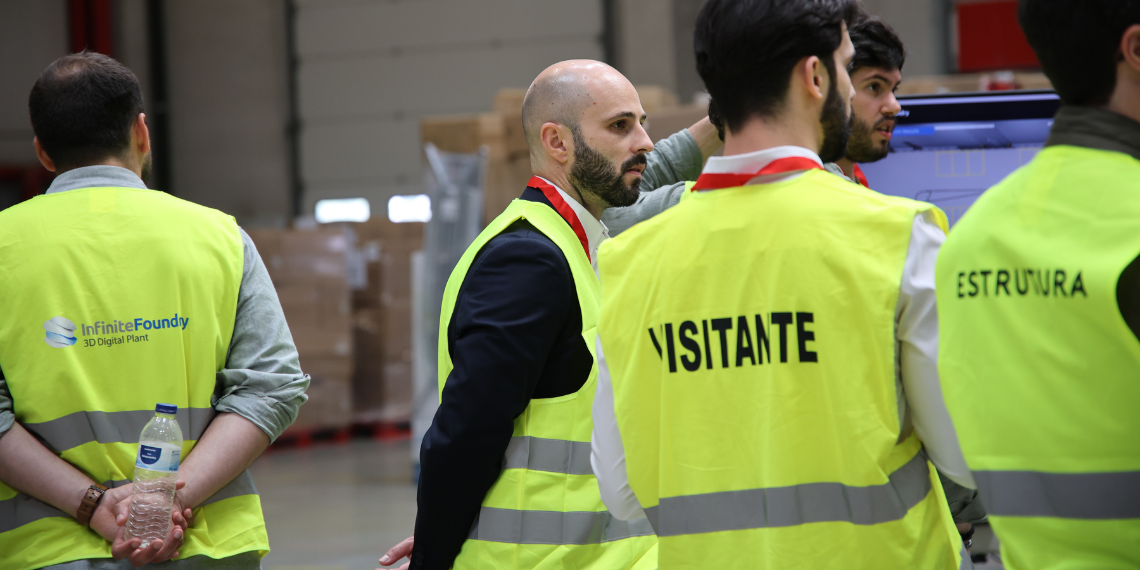
Four and a half years after kicking off, the PRODUTECH R3 Mobilising Agenda of the Production Technologies for Reindustrialization has started showcasing the results achieved through a series of demonstrations in real-world technology environments. The latest event took place at MC SONAE‘s distribution centre in Vila Nova da Rainha, one of the agenda’s partners.
The event focused on the results of four PPSs (Products, Processes or Services), the physical and quantitative metrics used to monitor projects funded under Portugal’s Recovery and Resilience Plan.
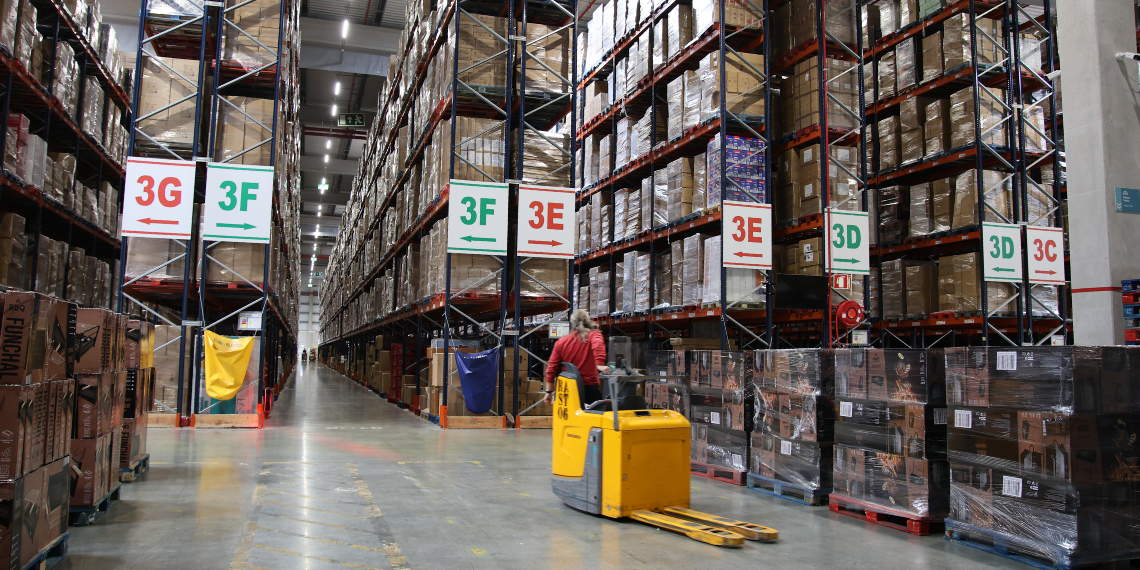
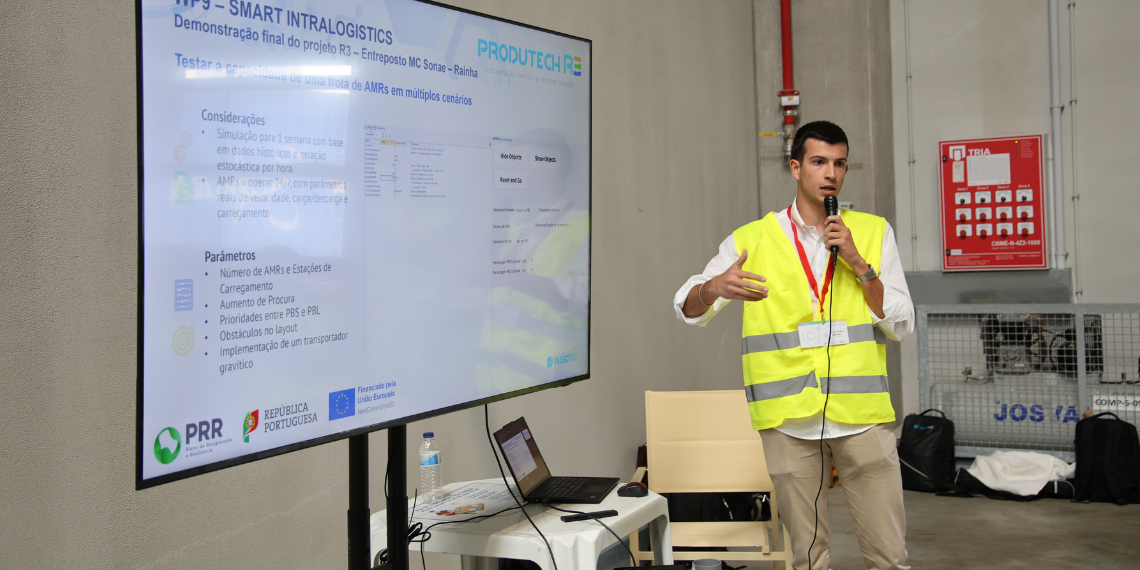
The first demonstration highlighted PPS49, which focuses on dynamic marshalling. The challenge involved developing a simulation-optimisation software platform capable of organising the warehouse marshalling area, where pallets are sorted and assigned to the correct outbound lorries before dispatch. Traditionally, warehouse operators carry out this task manually. Developed jointly with LTPlabs, the new solution analyses daily operational data to calculate the most efficient warehouse layout, determining which dispatch lane each store should use so that operators travel the shortest possible distance.
The technology can reduce the distance travelled by warehouse operators by around 6%, leading to overall efficiency gains of between 2% and 4%. The team achieved these results by combining two tools: one that rapidly evaluates thousands of promising scenarios in just a few seconds, and a second, more detailed 3D simulation platform that recreates the real movements of workers and pallets to validate the best solutions.
Working alongside JPM under PPS29, the team also demonstrated an Autonomous Mobile Robot (AMR): an forklift capable of navigating the warehouse, collecting pallets and transporting them to the dispatch area without operator intervention. The robot uses laser sensors to navigate independently, avoids obstacles, operates in narrow aisles and automatically identifies pallets using Artificial Intelligence (AI) combined with 3D cameras.
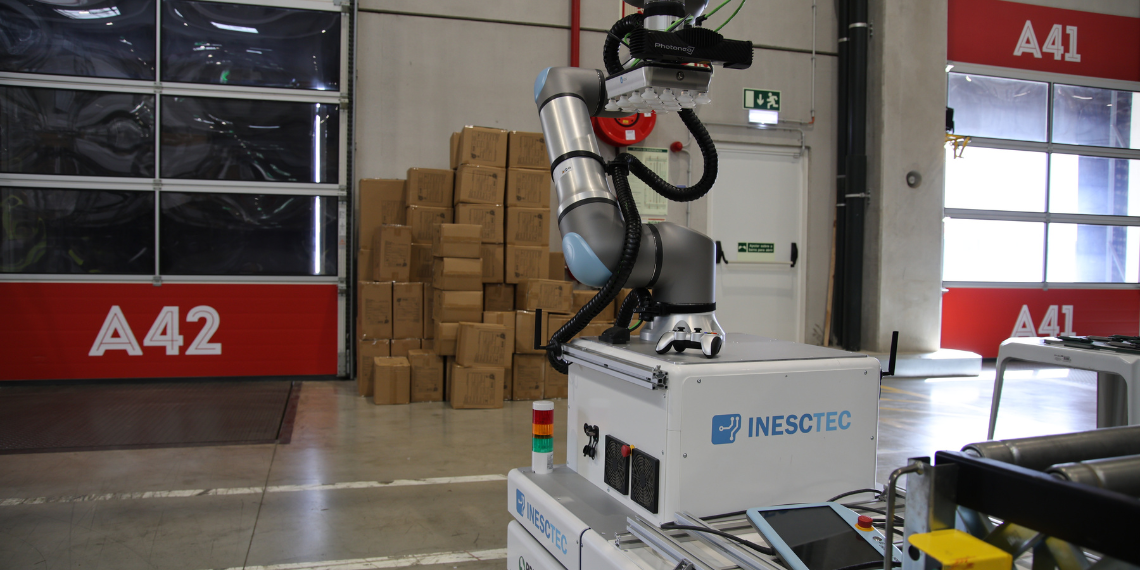
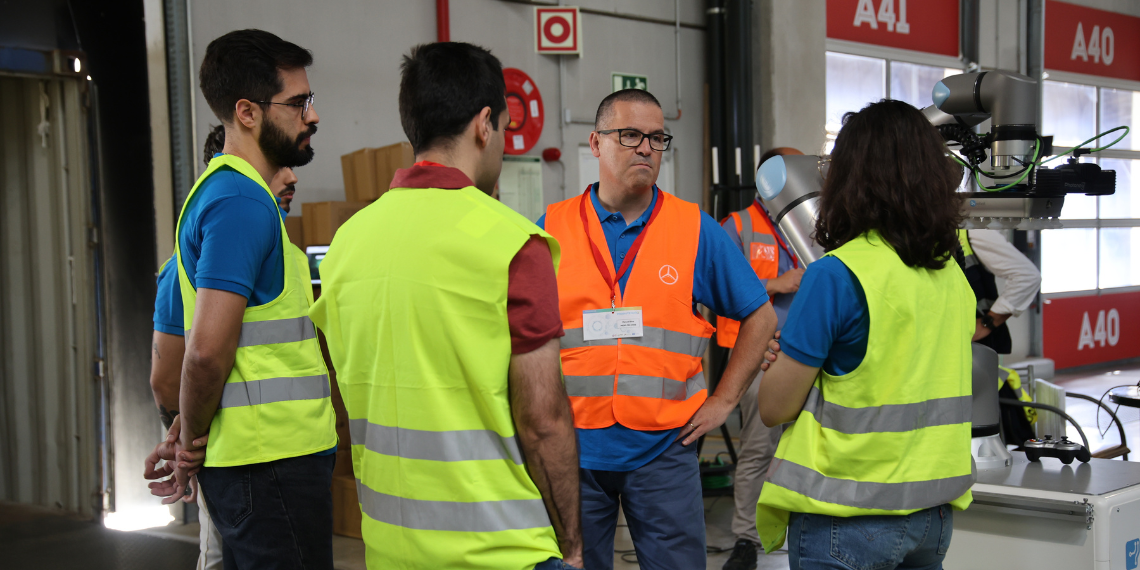
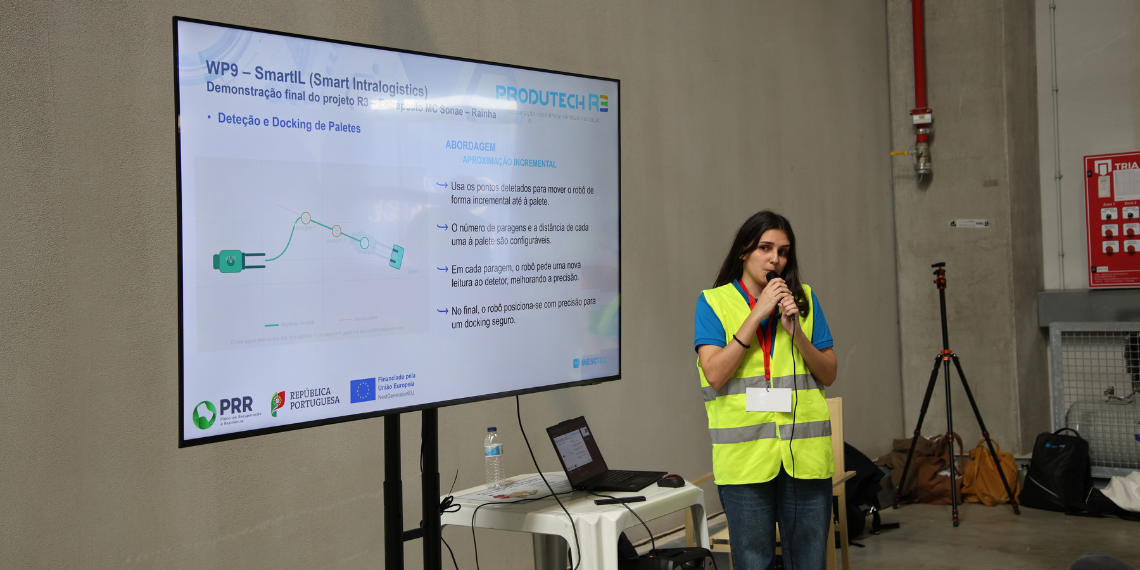
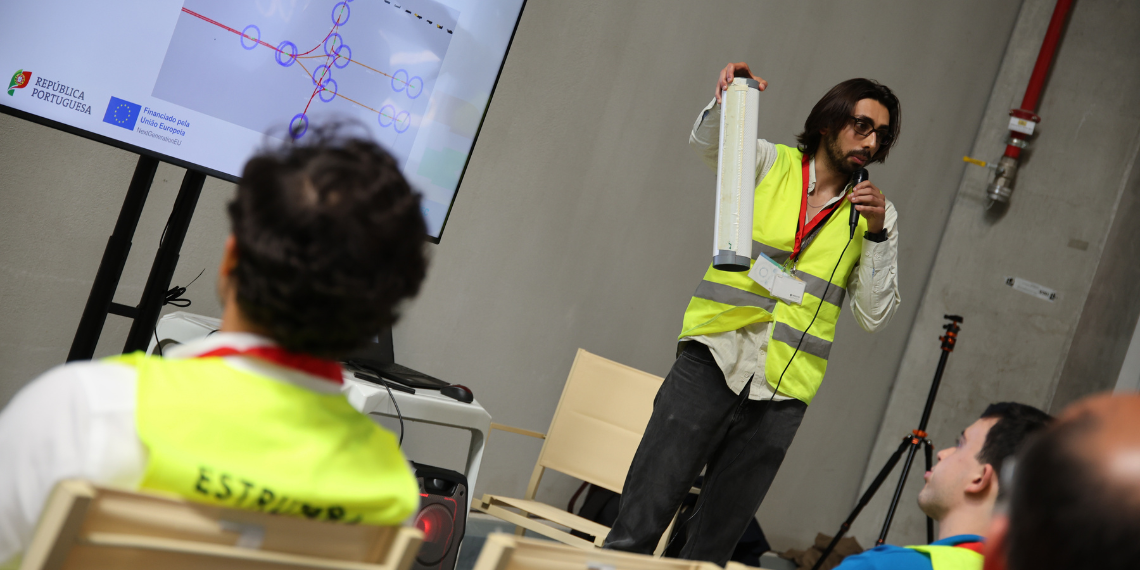
Container unloading also featured prominently through PPS31 with the presentation of CARGO, an autonomous and flexible robotic manipulator designed to remove goods from shipping containers intelligently.
According to Maria Lopes, the industrial prototype demonstrated at the SONAE facility “consists of a commercial omnidirectional mobile platform for movement, an industrial robotic arm for handling, and a high-capacity suction gripper.” She explained that INESC TEC had developed the modular, hardware-agnostic software pipeline entirely in-house, using YOLOv11+RGB-D-based detection together with adaptive safety filters.
Maria Lopes highlighted several potential benefits of the solution. She said the first was improved ergonomics, as the system replaces a task that currently relies entirely on manual effort and is often physically demanding. “Autonomous box removal eliminates awkward working postures, such as picking up boxes from floor level or from the top of stacked loads, significantly reducing the risk of injury,” she explained. She also pointed to greater workforce resilience by helping address persistent recruitment challenges linked to container unloading operations, which mostly take place overnight and often involve extreme temperatures inside containers.
Finally, she said the INESC TEC-developed solution should deliver productivity and throughput gains by optimising logistics flows. With a demonstrated handling rate of approximately one box every 12 seconds and a success rate exceeding 90%, the system enables the continuous feeding of conveyors and automated palletising systems at the loading dock.
The event concluded with the presentation of PPS42 and PPS43, developed by Infinite Foundry and INESC TEC, which focus on warehouse digital twins. The technology creates a real-time virtual replica of a physical warehouse using cameras installed overhead to capture operational activity. Software then analyses and interprets the images, identifying pallets, people, forklifts and changes across different warehouse areas.
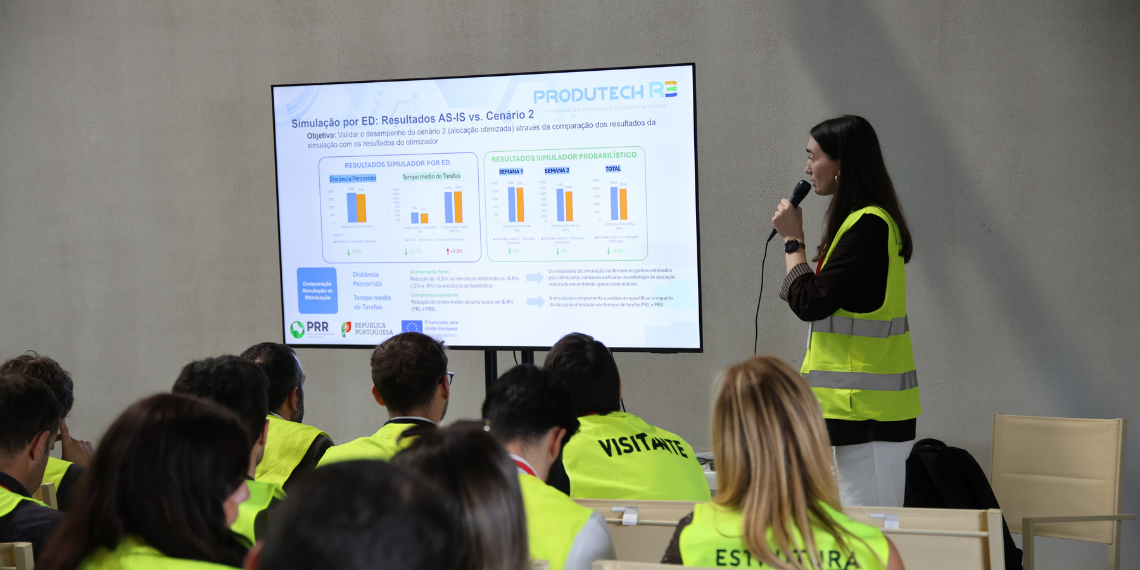
The data collected allows operators to simulate different scenarios before implementing them in real life. For example, managers can estimate how many additional operators would be required if demand increased by 55%, or assess the impact of adding another pallet preparation line. Simulations also indicate potential productivity improvements, suggesting that introducing an additional wrapping area could reduce operators’ average task times in that section by around 35%.
Beyond the individual benefits of each solution, the three technologies can also work together to create more efficient and better organised logistics operations while reducing errors, lowering operators’ physical workload and improving responsiveness to fluctuations in demand.
As host and a member of the MC SONAE team, José Beça described the event as “extremely valuable”. He said it had provided an opportunity to understand how warehouse layouts could become “better adapted and more optimised, and how processes can be transformed to improve productivity“. Among the technologies presented, he singled out the digital twins, which he said could “support decision-making through simulations carried out in environments that differ from real operating conditions”.
Rui Ribeiro, representing IAPMEI at the demonstration, said the results reflected the “effort” invested over recent years, with “several milestones successfully achieved”. “We leave today with a sense of satisfaction regarding everything that has been accomplished through this investment programme, which involved significant resources and a tremendous effort from everyone involved, both those who implemented the projects and the organisations that supported and guided these investments,” he concluded.
 News, current topics, curiosities and so much more about INESC TEC and its community!
