


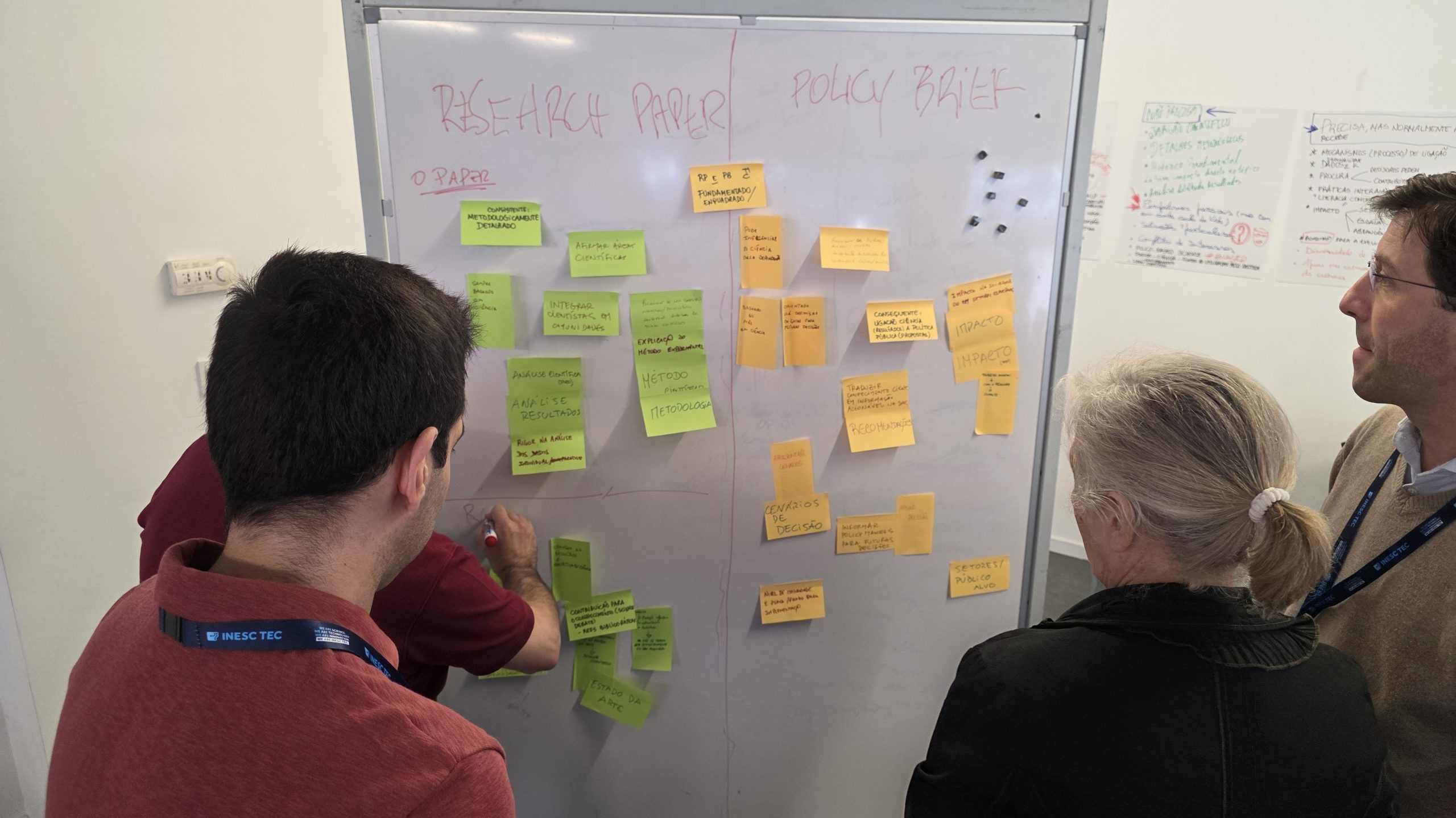
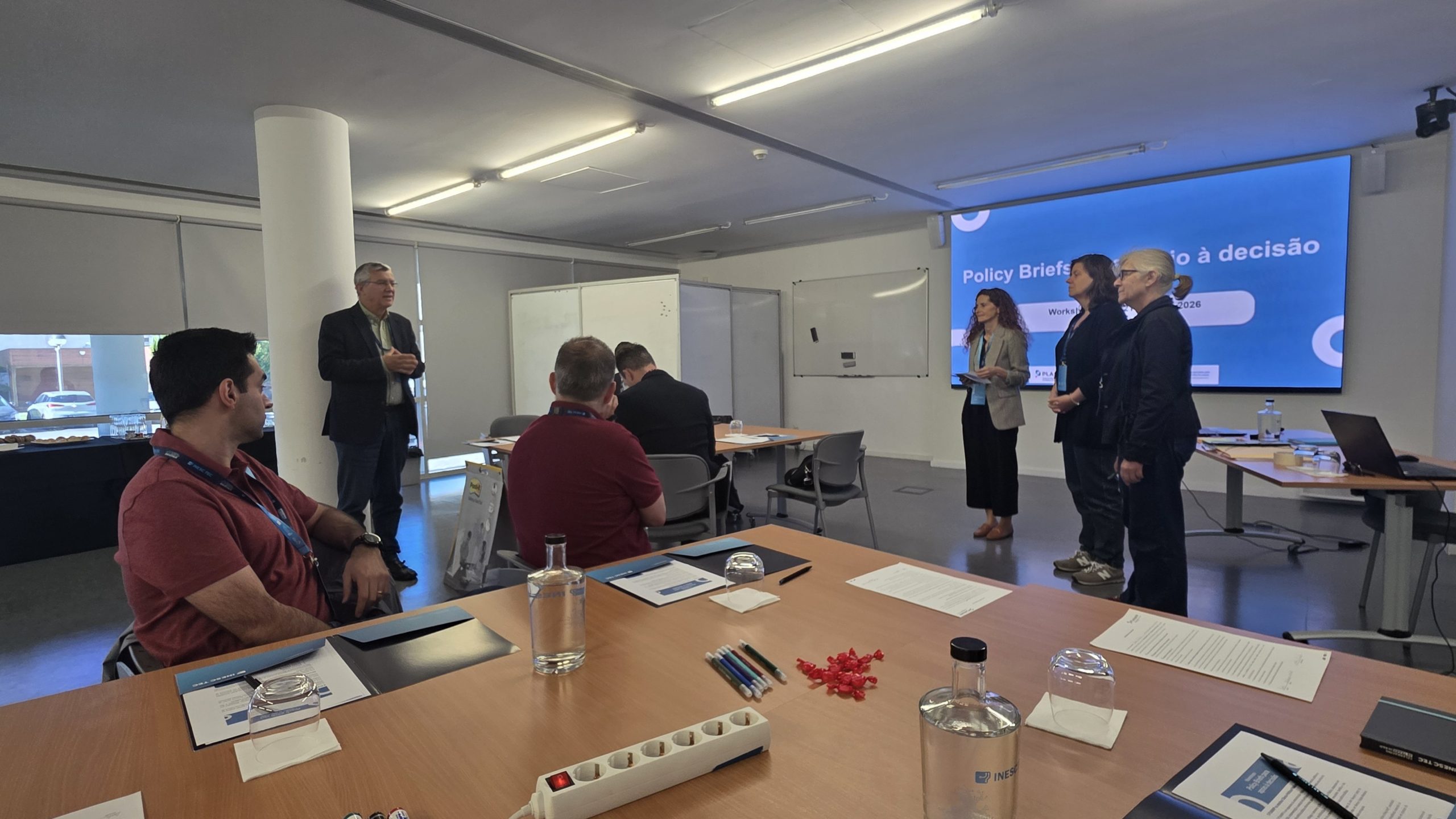
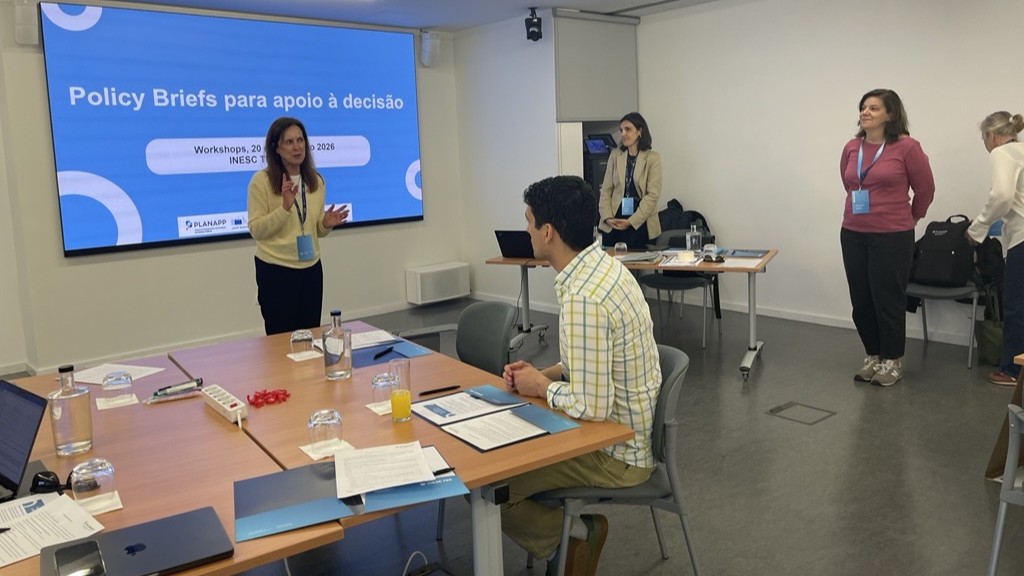
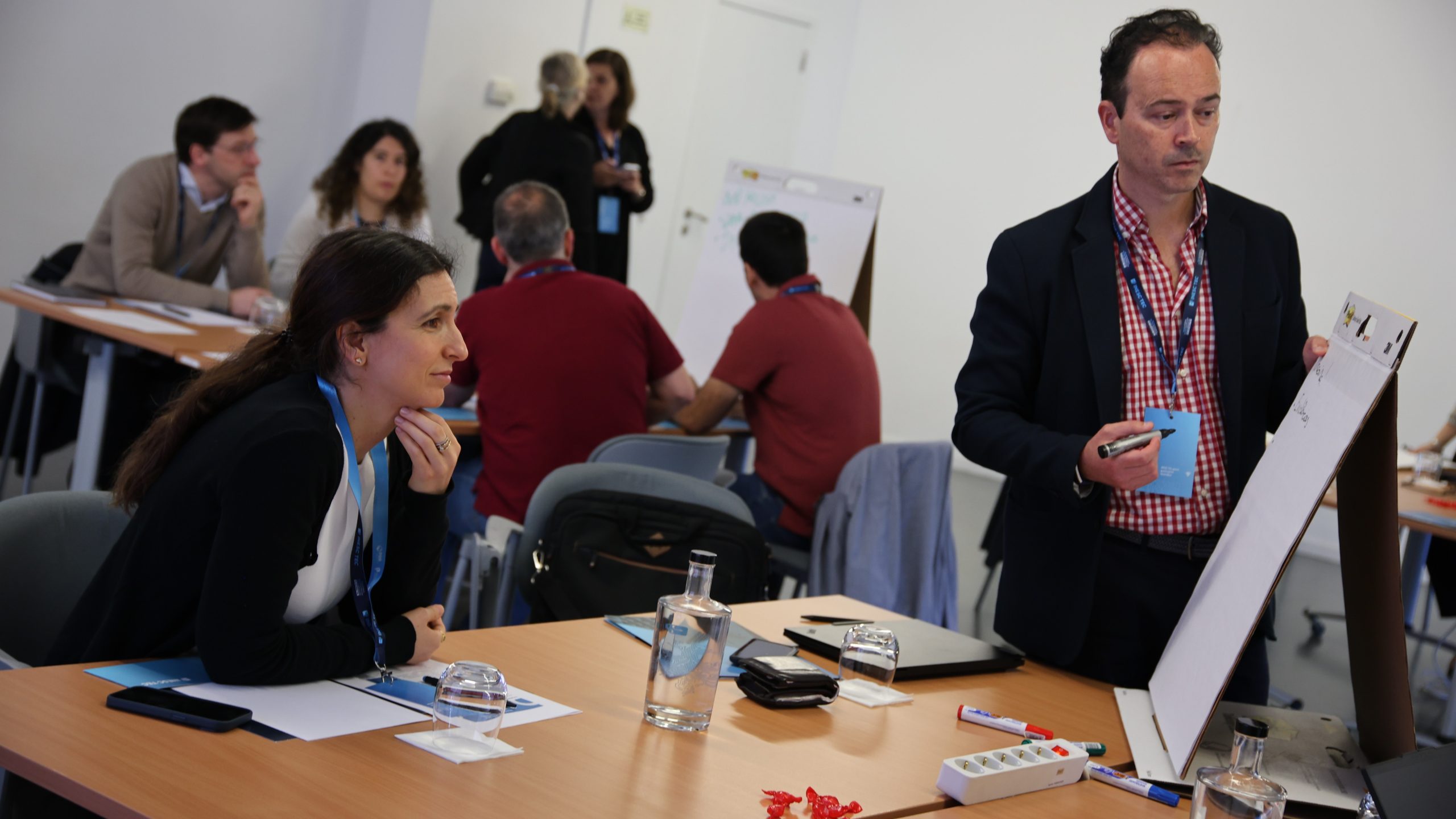
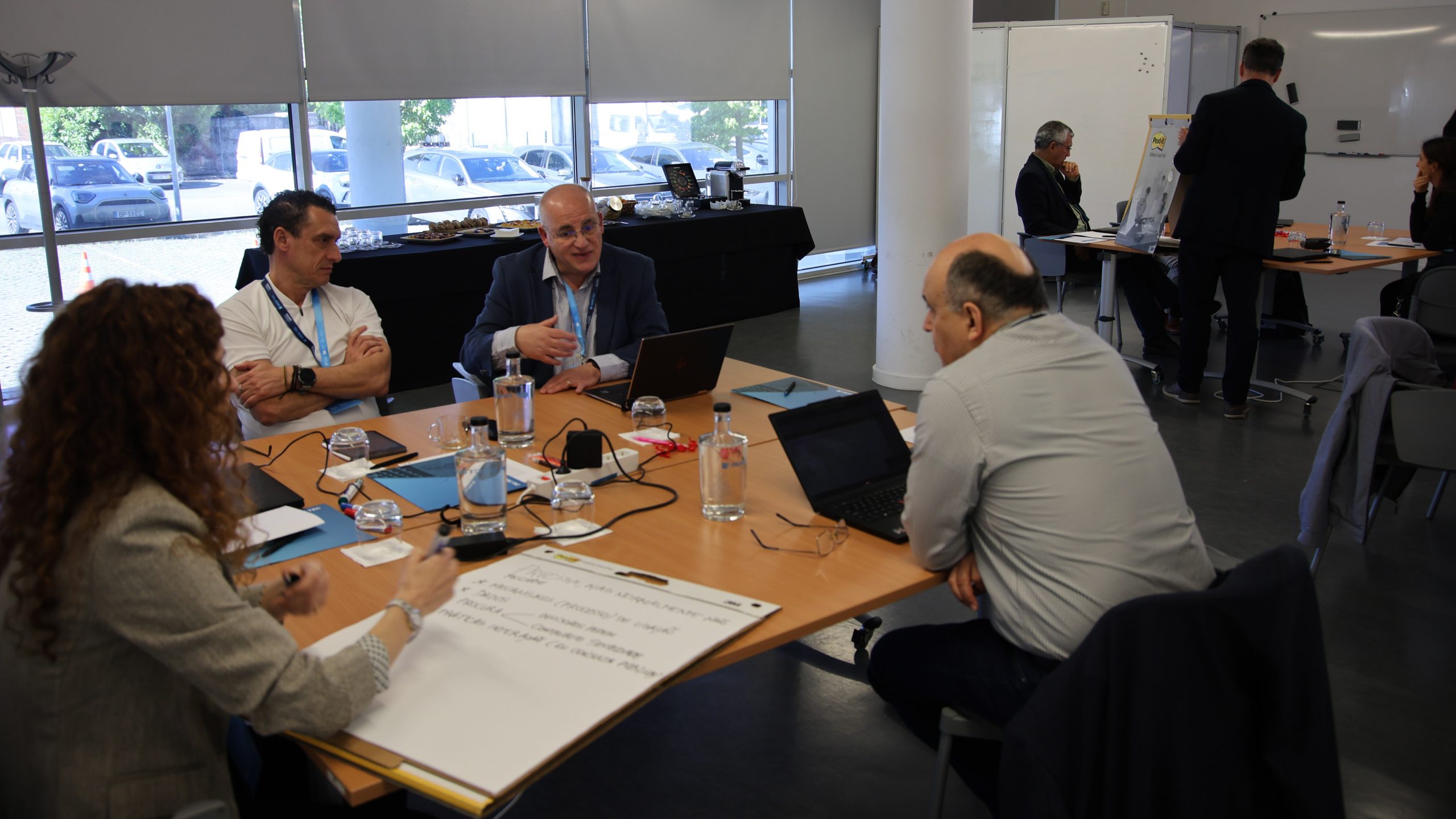
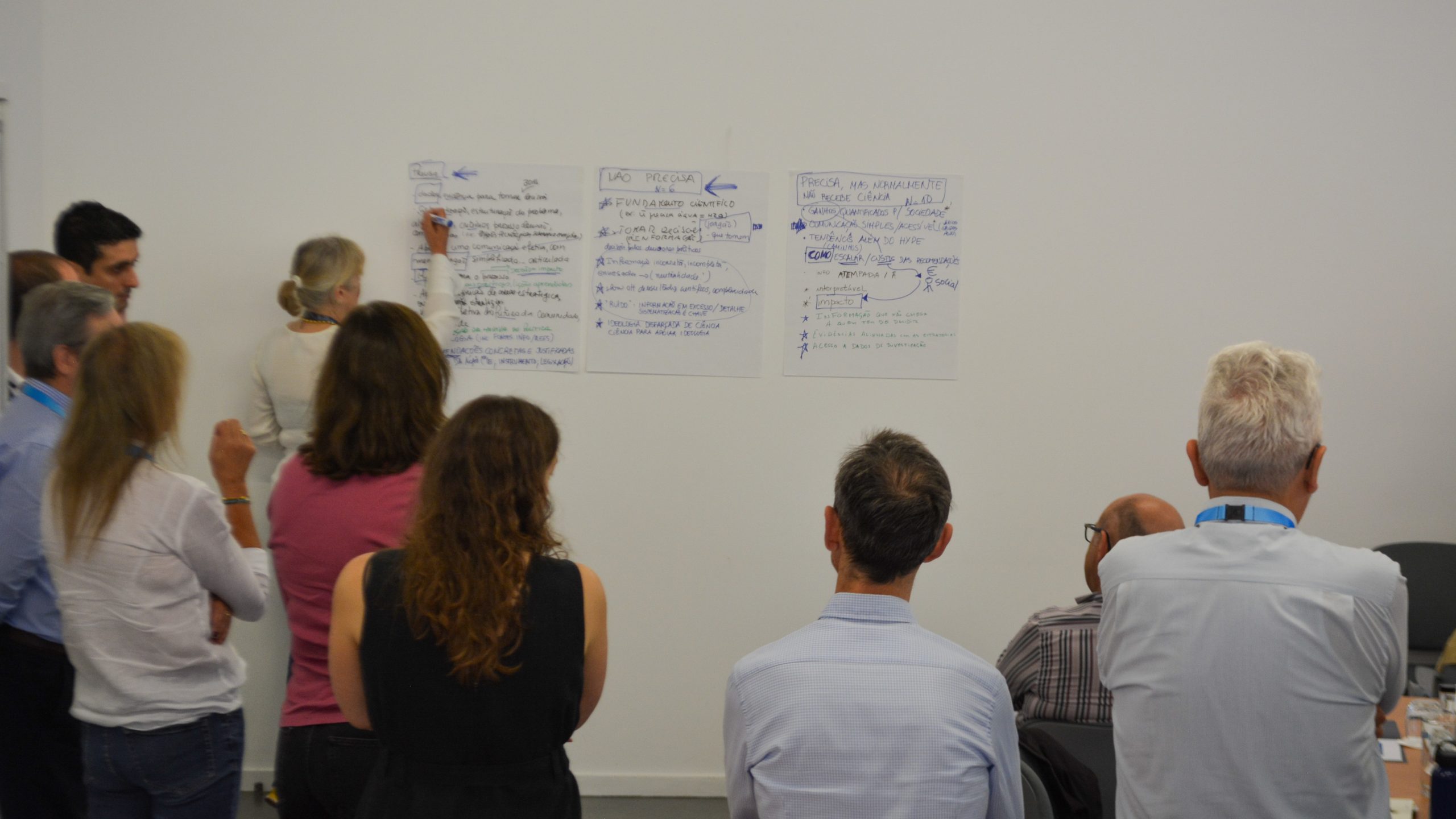
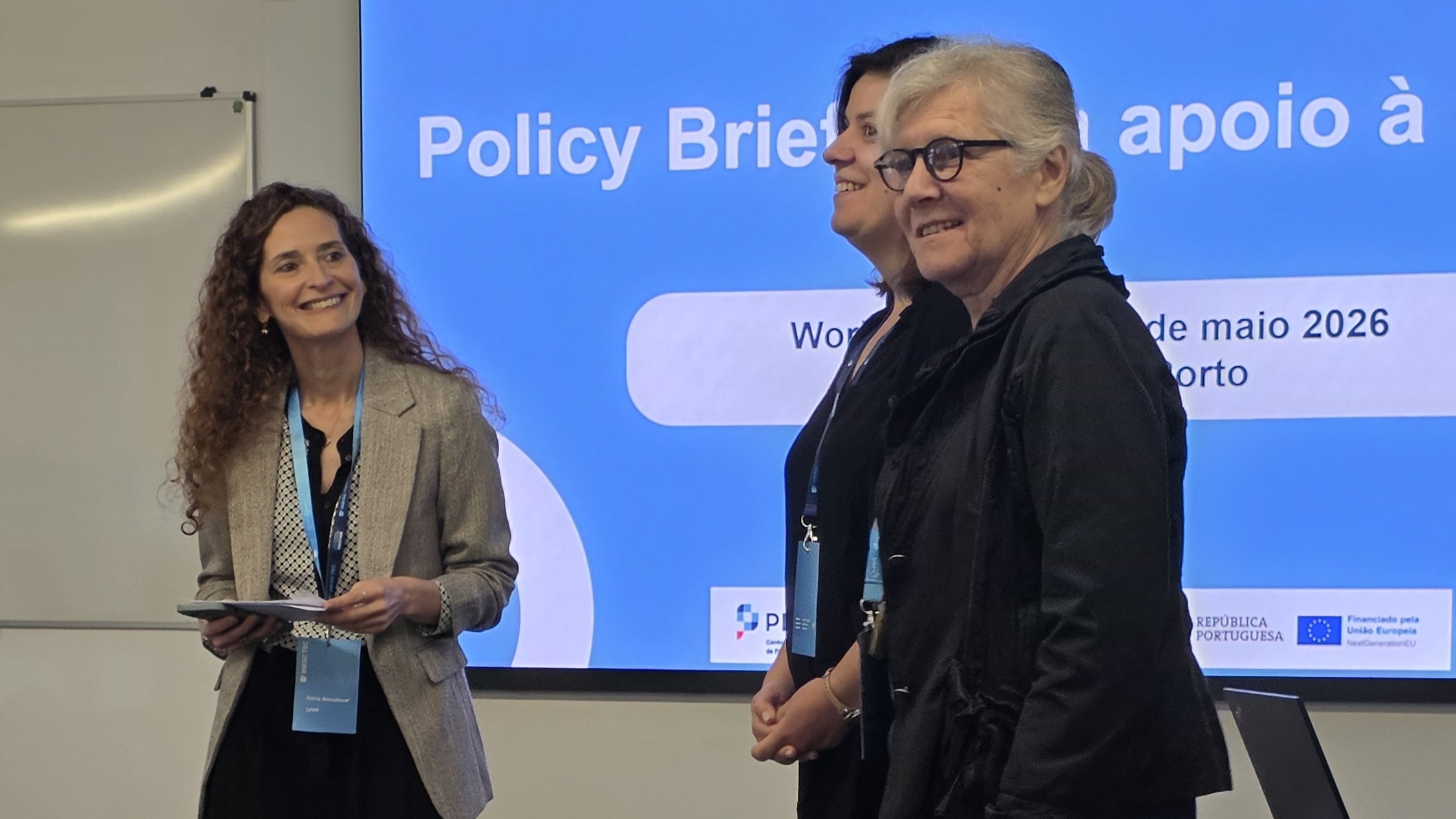
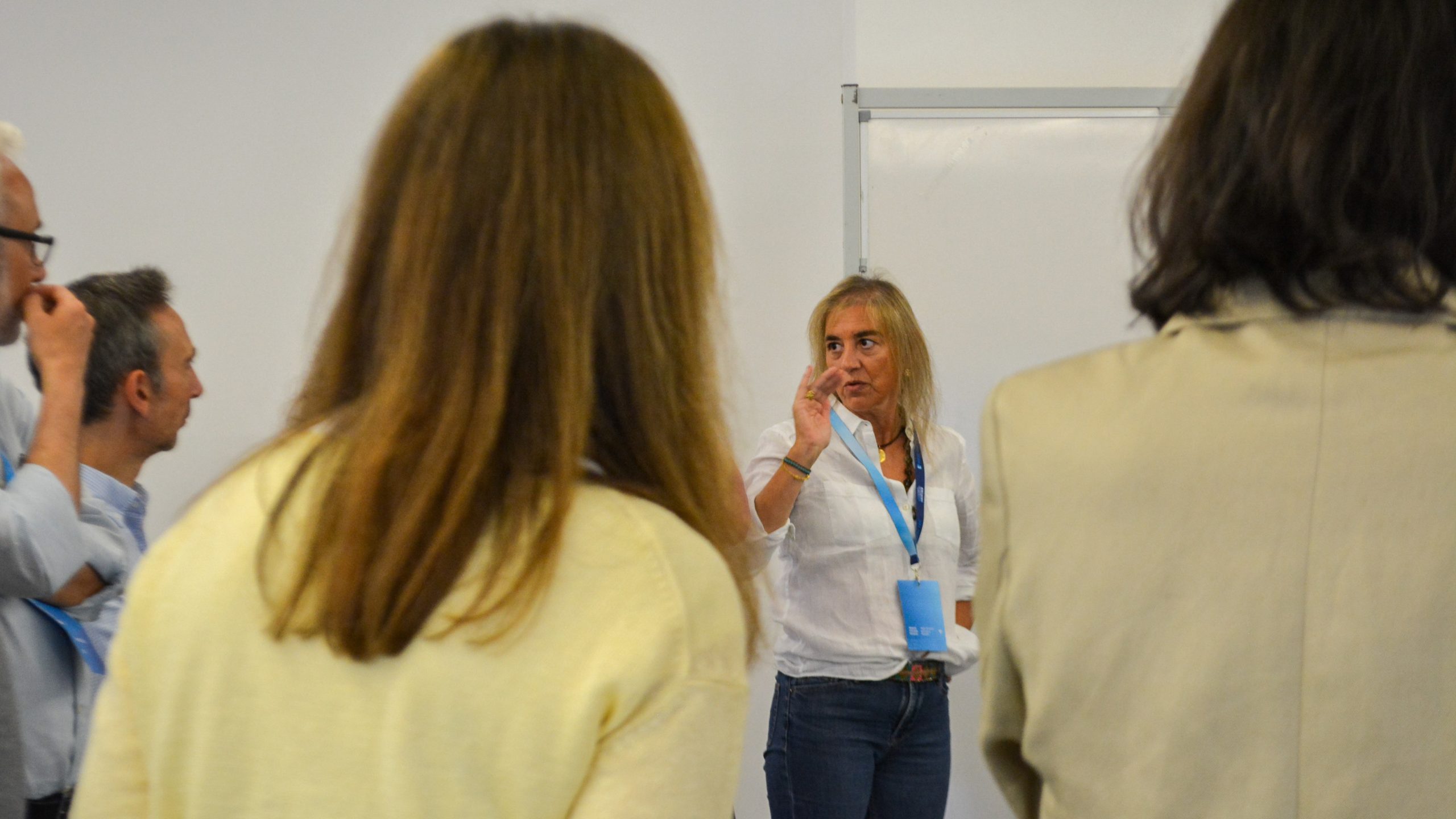
What does a public policymaker need from science? And what do they not need? What sets a scientific article apart from a policy brief? What exactly is a policy brief, and how is one written? How are research findings communicated to those who make public policy decisions? These were some of the questions addressed at the workshop “Policy Briefs for Decision Support”, promoted by PLANAPP – the Centre for Public Policy Planning and Evaluation, which took place at INESC TEC in May 2026.
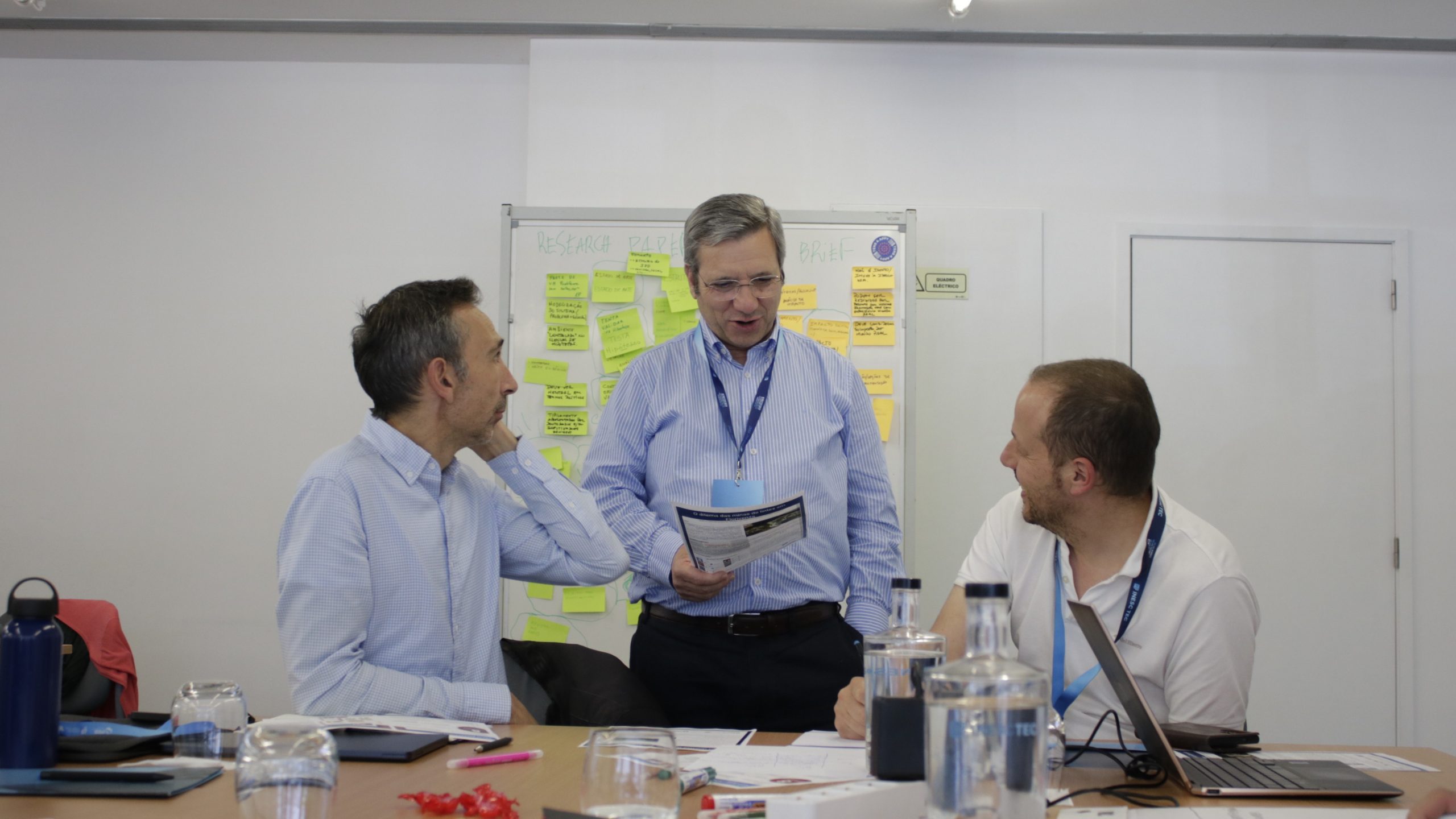
Over two days, a team from PLANAPP challenged representatives from various INESC TEC units to reflect on how to bring research and development findings to policymakers and Public Administration services, informing debate, supporting policy decision-making, and contributing to public policies across their various stages: from definition through to monitoring, evaluation, and foresight.
The main goal of this awareness-raising and capacity-building initiative, coordinated by INESC TEC’s Office for Foresight and Public Policy (GPPP) and PLANAPP, was to strengthen the Institute’s core competencies in translating scientific evidence into actionable communication formats, in this case, policy briefs: concise documents that seek to inform policy decisions through evidence-based arguments and practical recommendations. By bringing together representatives from various INESC TEC units and consolidating best practices on the structure and content of a policy brief, the GPPP also sought to demonstrate the impact of the Institute’s activities on public policy and society.
“The work we carry out at INESC TEC has significant potential for application in public policy, because the results of our research and the knowledge we generate can be translated into grounding perspectives under debate, deepening impact analysis, and producing recommendations with influence across public policy’s various stages: foresight, planning, monitoring, and evaluation,” said Gabriel David and Lia Patrício. They added that contributing to public policy is part of the Institute’s mission, with INESC TEC playing an active role through involvement in public consultation processes, discussion panels, and the publication of position papers across a range of areas. “Promoting initiatives of this kind within our community is therefore highly relevant,” the INESC TEC board members stressed, noting that they also hold academic positions at the Faculty of Engineering of the University of Porto.
INESC TEC’s collaboration with PLANAPP, whose mission includes mobilising scientific and technological knowledge from the wider ecosystem for public policy, has been taking shape across several dimensions.
Beyond these capacity-building activities, worth highlighting is the recent launch of the webinar series “Data Management and Open Data”, an initiative of REPLAN – the Network of Planning and Foresight Services of the Public Administration, in which INESC TEC participates through the Multisectoral Monitoring Team, as well as participation in projects coordinated by PLANAPP in the areas of industrial policy, productivity, and evidence-informed policymaking.
PLANAPP is a Public Administration body that supports political decision-making in the definition, implementation, and evaluation of public policies, promoting a culture of evidence-informed policymaking. The Centre carries out awareness-raising and capacity-building activities for the scientific community and for professionals involved in policy formulation, in line with the European strategy of the Joint Research Centre of the European Commission (JRC).
Disclaimer: this news piece was translated by Claude.ai
 News, current topics, curiosities and so much more about INESC TEC and its community!
