


Imagine being asked to verify your age using facial recognition before accessing a social media platform. Would you agree? To what extent are we willing to sacrifice privacy to protect children online?
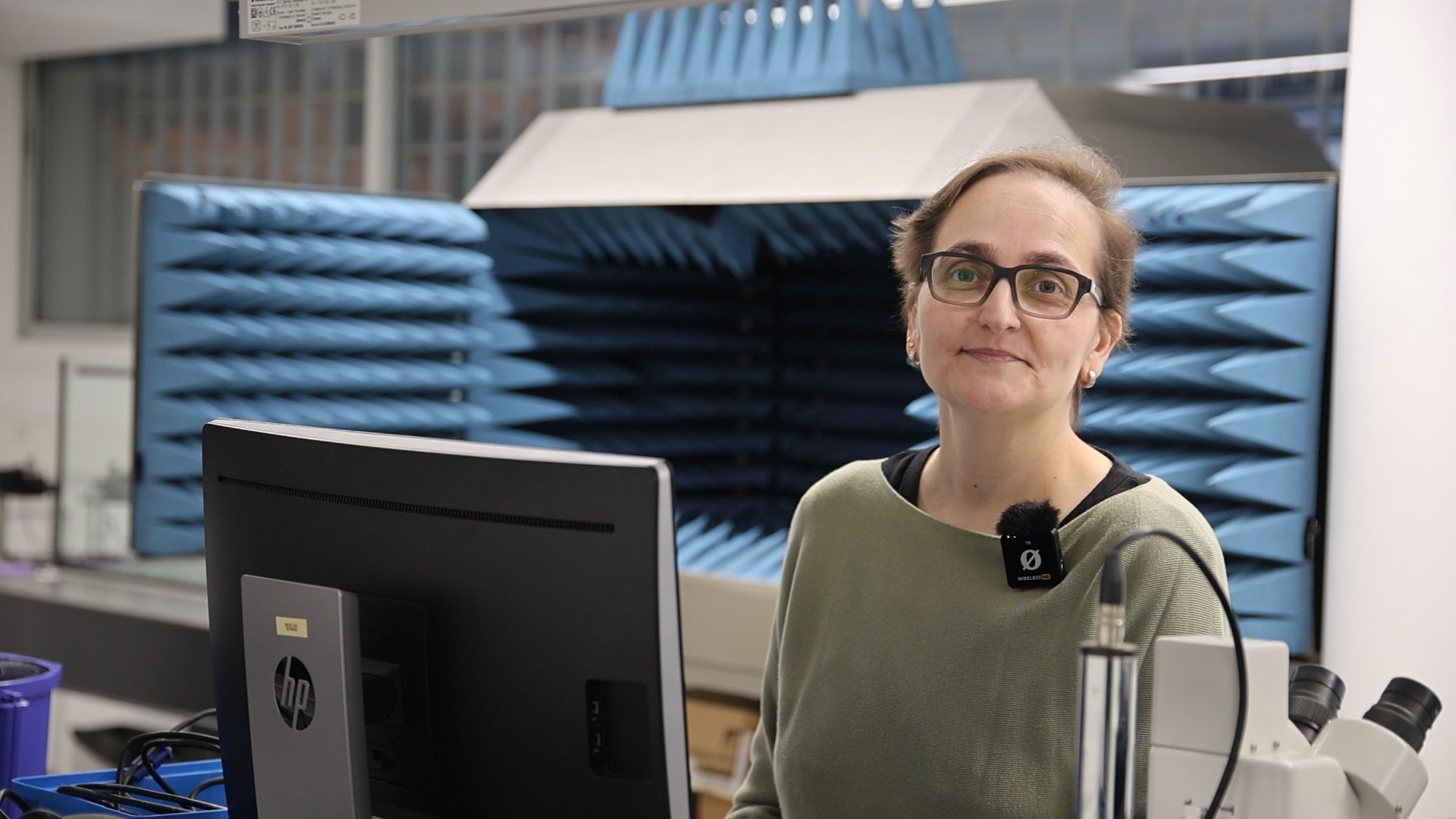
The issue is complex, controversial and sensitive – precisely what makes it so important to discuss. INESC TEC researcher Ana Filipa Sequeira took part as a panellist in the “Age Control” session, held as part of the ISOC Award 2025 ceremony at the Department of Languages and Cultures of the University of Aveiro. The event recognised the work A ténue linha entre teorias da conspiração e opinião: por que humanos e IA têm dificuldade em diferenciá-las and encouraged debate on emerging challenges in digital governance.
Organised by the Portuguese chapter of the Internet Society, the event included a discussion on online age assurance. The debate followed the presentation of the Report on Age Verification/Age Assurance, approved by the European Parliament in November 2025, which sets out a framework for the use of mechanisms such as age verification, age estimation and self-declaration to protect children in the digital environment. The discussion focused on the growing regulatory pressure within the European Union and other jurisdictions to implement effective age assurance systems, against a backdrop of increasing concerns about online safety, data protection and digital rights.
Moderated by Ana Cristina Aguiar, President of the Internet Society Portuguese chapter – Porto, the panel brought together INESC TEC researcher Ana Filipa Sequeira, Robin Wilton, Director of Internet Trust at the Internet Society, and digital governance expert Luís Vidigal.
How, then, can children be protected online without compromising users’ privacy?
This was one of the central questions addressed during the discussion, to which Ana Filipa Sequeira contributed the perspective of research in Artificial Intelligence, image analysis and biometric technologies.
The INESC TEC researcher explained how age assurance systems can make use of these technologies, while also highlighting their limitations and the safeguards required for their practical implementation. “When systems rely on images, behavioural patterns or other personal data, there is a risk that they collect more information than is necessary, enabling prolonged tracking or the creation of detailed digital profiles. If not carefully designed, age verification tools can lead to privacy risks that extend beyond their original purpose,” she warned.
Ana Filipa Sequeira argued that age assurance mechanisms should be designed with privacy by design principles from the outset and should be limited exclusively to confirming a user’s age. “Age assurance must be transparent, proportionate and respectful of users’ rights, without becoming a tool for surveillance or excessive data collection,” she stressed.
The debate also highlighted significant research gaps, particularly regarding the effectiveness of age assurance methods, their impact on privacy, and the risk of algorithmic discrimination. In this context, the contribution of research institutions such as INESC TEC was identified as essential to ensuring evidence-based approaches.
By placing privacy and trust at the heart of the discussion, INESC TEC’s participation reinforces the role of Portuguese research in shaping more balanced digital policies and technologies, at a time when age assurance is becoming an increasingly important priority on the European agenda.
 News, current topics, curiosities and so much more about INESC TEC and its community!
